Last updated November 25, 2026
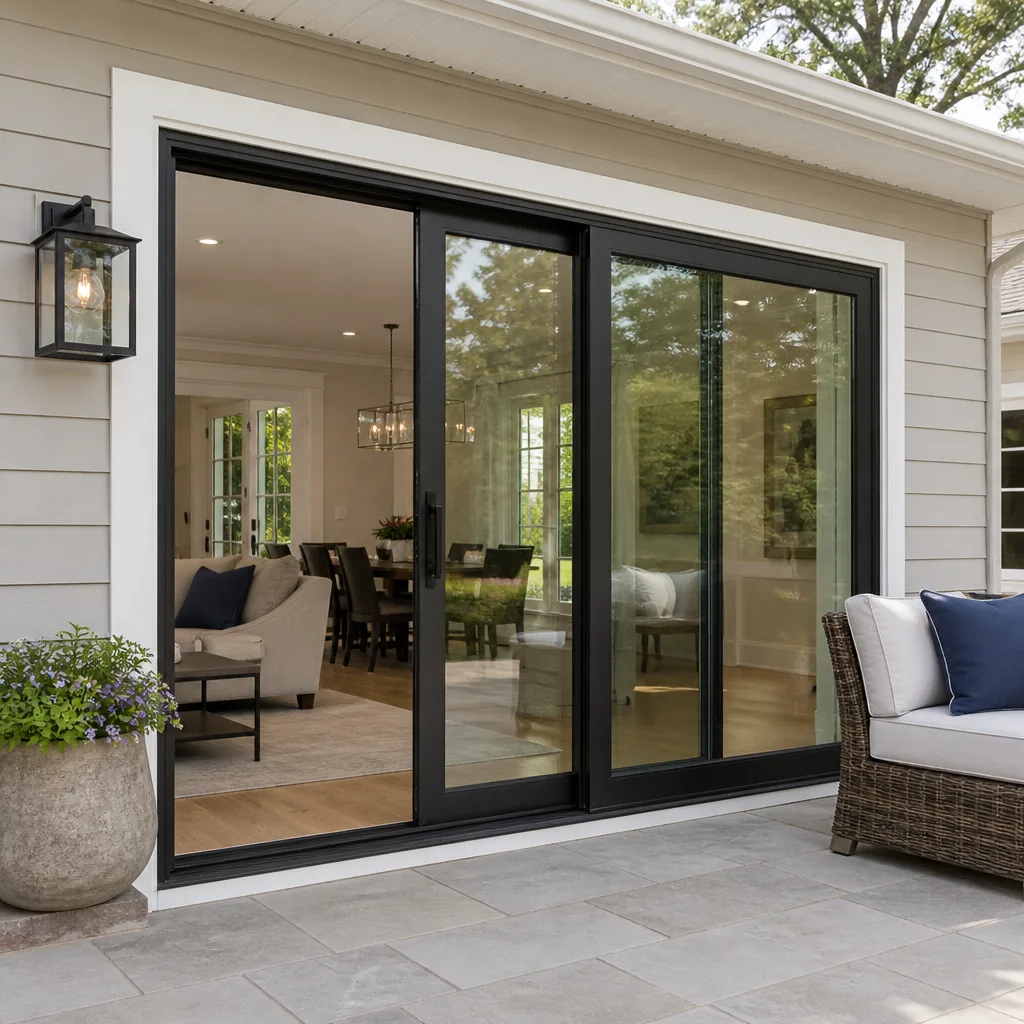 Sliding glass doors
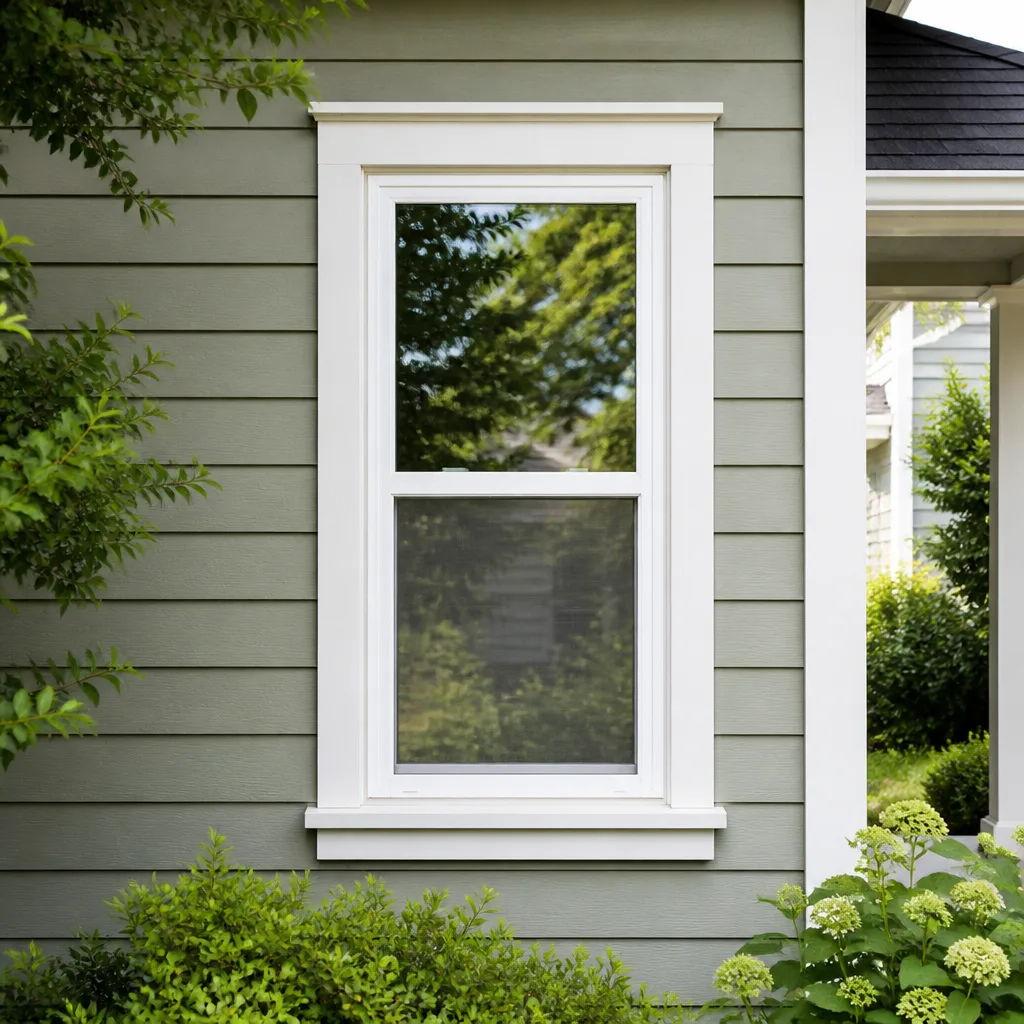 Single hung
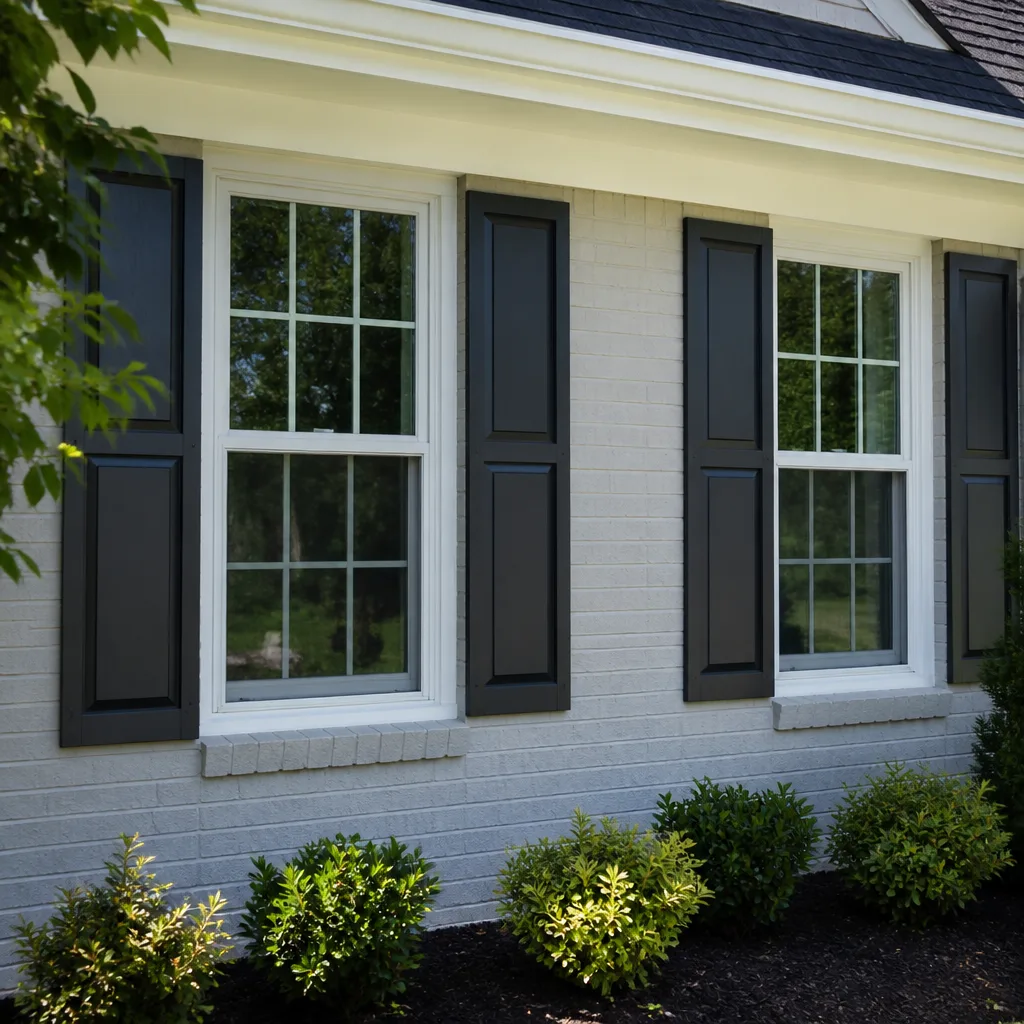 Double hung
 Horizontal roller
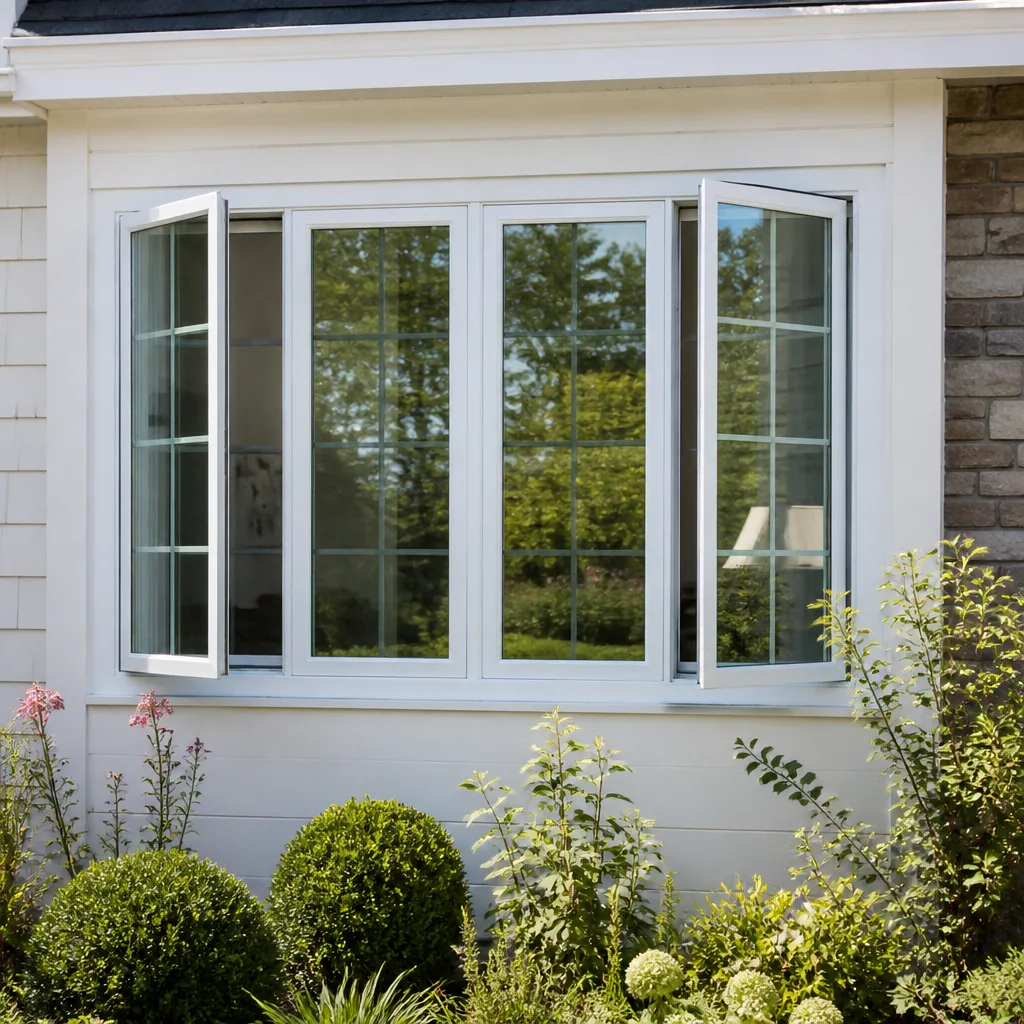 Casement
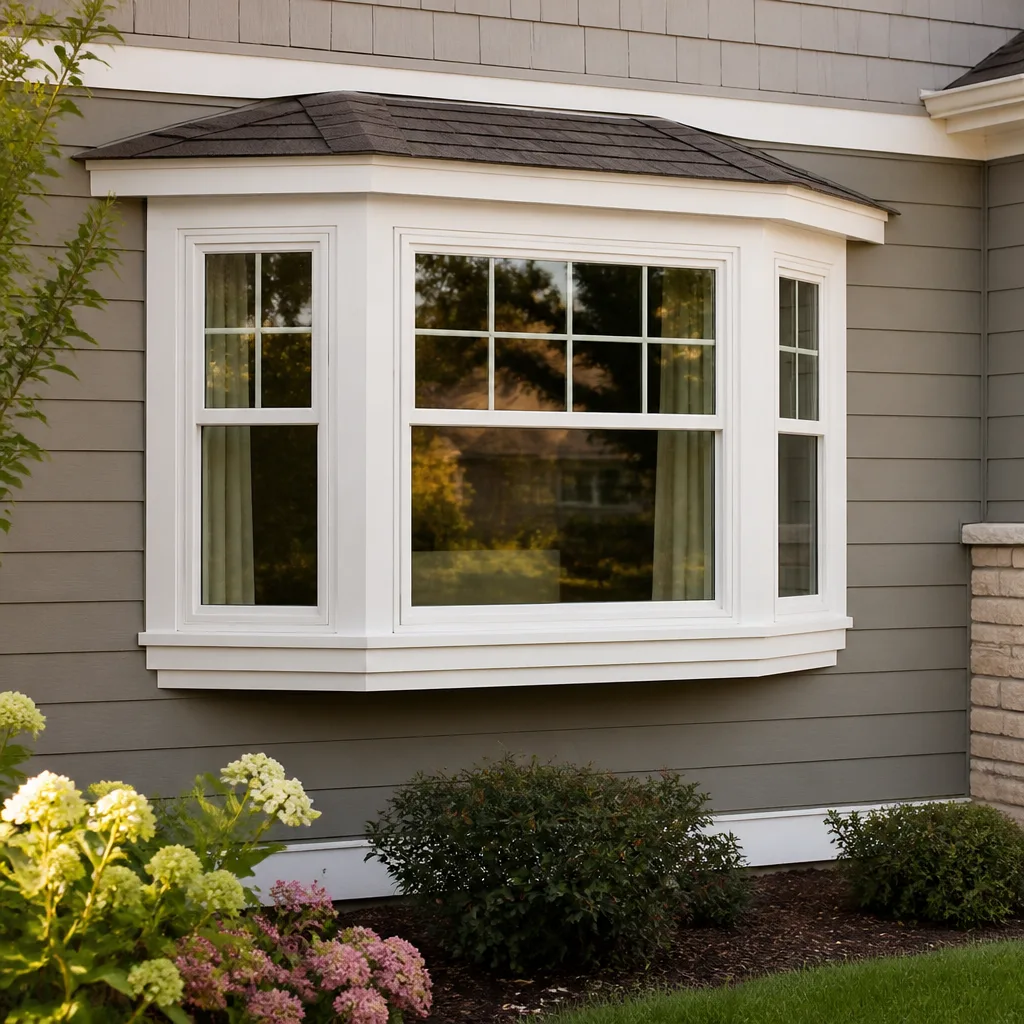 Bay & bow
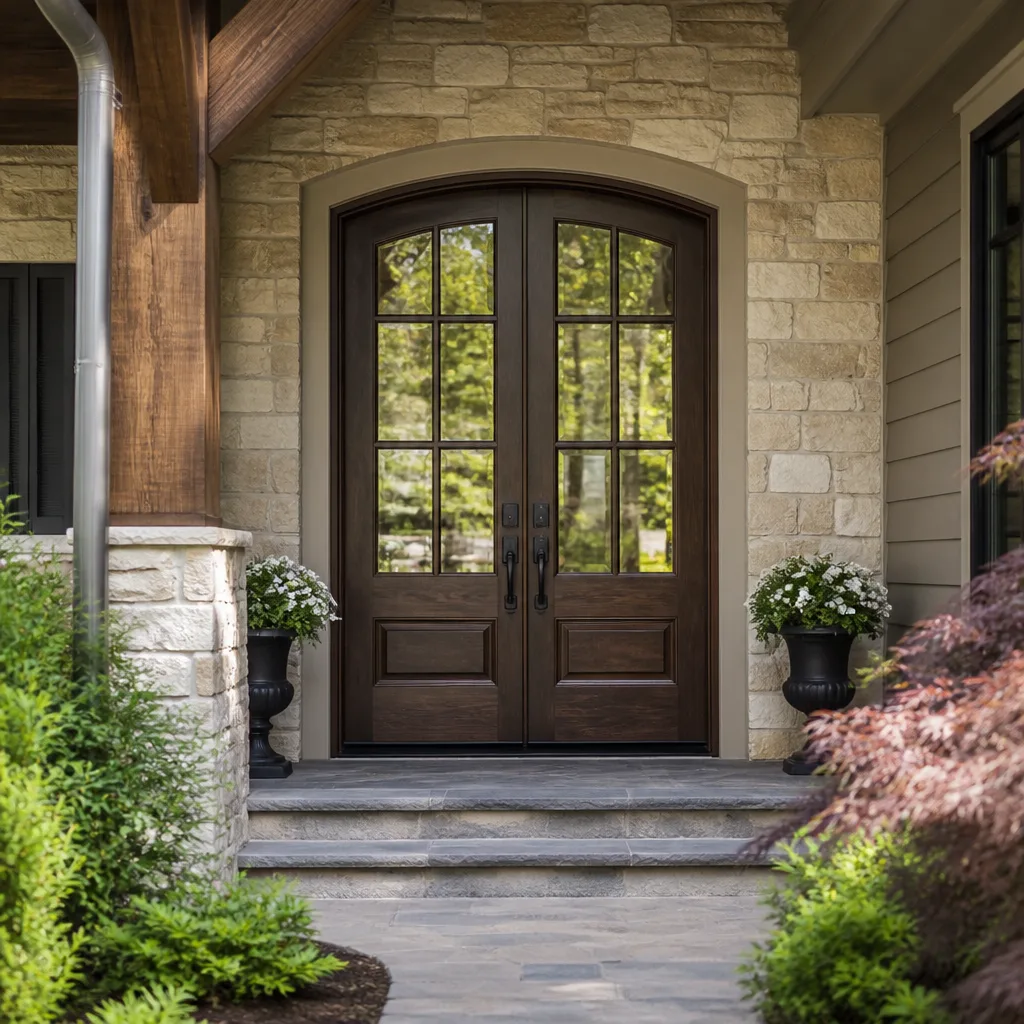 Entry doors
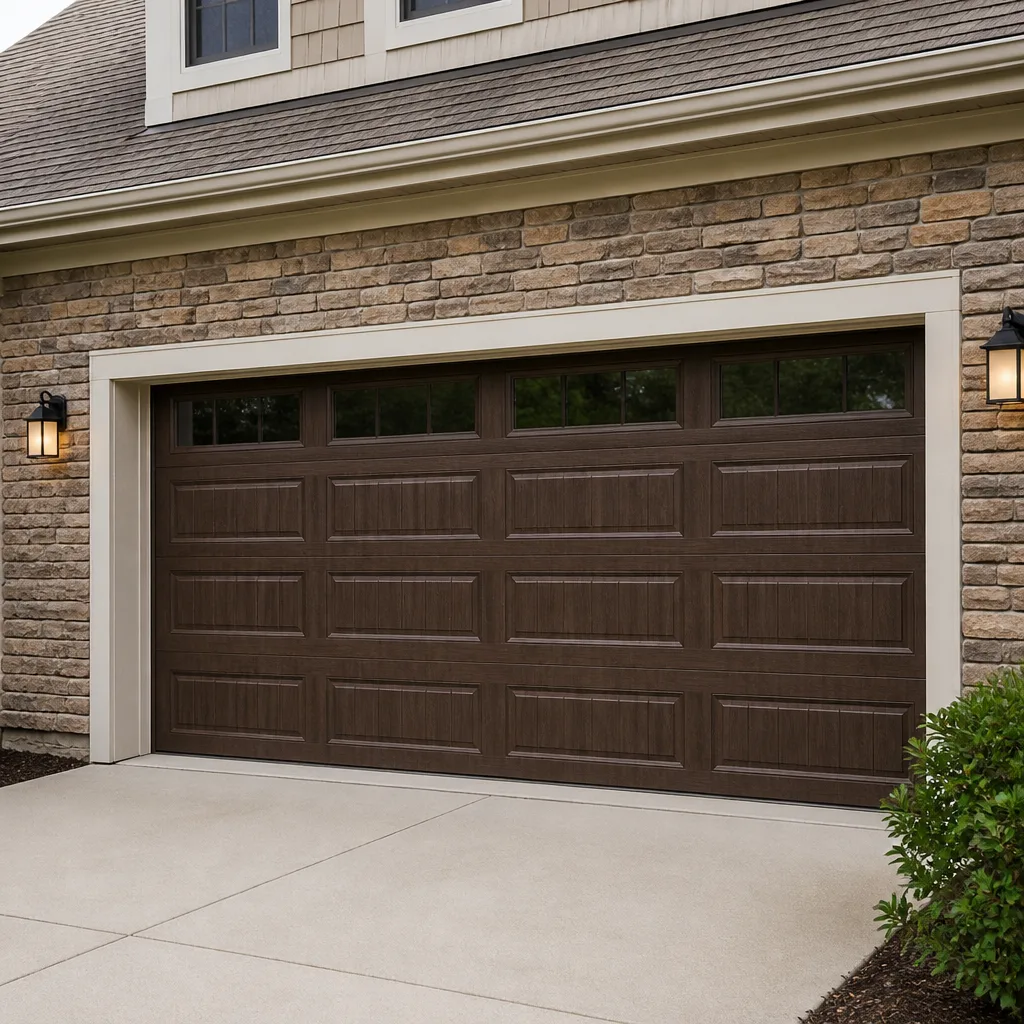 Impact garage doors
 PGT
 CGI
Free in-home measure and quote - PGT, CGI and CWS impact lines compared on your actual openings, style by style
Get your free estimateWindows & Doors Warning Signs: A Tacoma Homeowner’s Reference Guide
Most window and door failure doesn’t happen overnight. It telegraphs itself – a foggy pane here, a draft that shows up only on north-facing walls, a door that catches on the strike plate in November and swings free by July. The problem is that two of those three signals are completely normal, and reacting to the wrong one means spending money on a replacement you didn’t need. Condensation between panes is a failed seal. Condensation on the inside of the glass on a cold Tacoma morning is just physics doing what physics does. Telling them apart is the whole game, and that’s exactly what this guide teaches.
By the end, you’ll be able to sort every symptom in your home into one of three buckets: replace now, monitor, or ignore. You’ll know how to read a draft by location, what a dropped door corner actually means, and whether your rising heating bill is pointing at your windows or somewhere else entirely. No pressure, no upsell – just a reference you can walk around your house with.
Quick Answer
A window or door needs replacement when the seal between panes has failed (permanent fog or condensation trapped inside the glass), when the frame has rotted or swelled enough that the sash no longer operates, or when a door has dropped far enough that the latch no longer aligns. Everything else – interior condensation on cold mornings, a stiff lock in humid weather, a slight draft at the weatherstripping – is usually monitor-and-maintain territory, not an emergency.
Styles & brands we work with
- Single hung
- Double hung
- Horizontal roller
- Casement
- Bay & bow
- Sliding glass doors
- Entry doors
- Impact garage doors
- PGT
- CGI
Table of Contents
- The Visual Triage: Replace Now, Monitor, or Ignore
- Condensation: The One Test That Settles It
- How to Diagnose a Draft by Location
- Why Your Windows Stick in Tacoma (It’s Usually Not the Hardware)
- Door Warning Signs: Dropped Corners, Latch Misalignment, Frame Separation
- Reading Your Energy Bill as a Window Diagnostic
- Sliding Doors: The Most Commonly Deferred Upgrade
- What Actually Happens When You Replace
The Visual Triage: Replace Now, Monitor, or Ignore
Before you call anyone, walk your home and put every window and door into one of three categories. We’ve found that roughly a third of the “problem” windows homeowners ask us about in Tacoma don’t need replacing at all, which is why triage comes before the estimate.
Six conditions that mean replace now:
- Fog or condensation trapped between the panes. This means the sealed glass unit has lost its gas fill and desiccant. It won’t clear, and it won’t come back.
- Visible rot or soft wood in the frame or sill. Push a screwdriver into the lower corner. If it sinks in easily, the frame is compromised.
- Glass that rattles or shifts in the sash. The glazing seal has failed and the unit is a safety concern.
- A door that has dropped so far the deadbolt no longer lines up with the strike plate. You’re one good gust from an unlocked door.
- Water staining on the interior drywall around a window. That’s not a window problem anymore – it’s a water intrusion problem, and it gets worse every rain.
- Daylight visible through the closed frame. Not a shadow line, actual visible gaps at the perimeter.
Six conditions to monitor: a faint draft at the edge of a sash, condensation that appears occasionally on cold mornings, a window that needs extra force to close but does close, paint peeling near the sill, a slightly stiff lock, and single-pane glass in a room you rarely use. None of these are urgent. Watch whether they’re getting worse season over season.
Three conditions that are normal: condensation on the inside surface of single-pane glass on a cold morning, a window that seems harder to open in winter than summer, and frost forming on exterior glass. These are just the physics of a Pacific Northwest winter. Replacing a window for any of these three reasons wastes money.
Condensation: The One Test That Settles It
This is the question we field more than any other in Tacoma, so here’s the definitive test. Wipe the glass with a dry towel. If the moisture is on the room-side surface, it wipes clean and won’t return until the next cold morning – that’s interior condensation, a normal result of warm humid indoor air meeting a cold pane. If the fog is trapped between the panes and won’t wipe away from either side, the sealed unit has failed and the glass needs replacing.
Why does it fog between the panes in the first place? A sealed glass unit is manufactured with a gas fill – usually argon – plus a desiccant strip that absorbs residual moisture. When the perimeter seal fails, outside air and humidity work their way in. The desiccant saturates. Once it’s saturated, fog appears and stays. There’s no fix short of replacing the unit or the window, depending on whether your home uses a sash replacement or a full-frame replacement system.
There’s a middle case worth knowing. Interior condensation that returns aggressively, day after day, in one or two specific rooms, is telling you something about the room’s humidity – not the window. Bathroom fans that vent into the attic, a dryer vent that’s disconnected, or a humidifier running too high can push indoor humidity past the point where any glass will sweat. Check those before you assume the window is at fault.
What about exterior condensation on the window’s outside face? That’s the sign of a tight, well-insulated window doing its job. Warm interior surfaces against cold outside glass produce exterior condensation, and it’s the opposite of a problem.
How to Diagnose a Draft by Location
Where the draft shows up tells you almost everything about what’s causing it, and the two causes have completely different fixes. Knowing this one diagnostic saves an entire category of unnecessary replacements.
Draft at the perimeter – the edges of the window frame: This is a weatherstripping, sash or frame-fit issue. The prime culprit is a worn or flattened weatherstripping gasket, which is a low-cost replacement. A secondary culprit is a warped sash that no longer meets the frame squarely. Get this wrong and you’ll pull perfectly good glass out of a wall for a problem that lived in the gasket. The visual test: close the window, hold a lit incense stick near the perimeter. If the smoke streams inward at the edge, but stays vertical near the center, it’s a perimeter issue.
Cold radiation from the center of the glass: This isn’t a draft at all – it’s the sensation of cold radiating off a low-performance glass surface. You feel it on your face and arms when you stand near the window, but the smoke test at the perimeter shows no airflow. This is a glass unit performance problem, and the answer is a modern insulated unit or an upgraded glass package. Older single-pane and early double-pane glass in many Tacoma homes falls into this category, especially on north-facing walls where the surface stays coldest.
One more case: a draft that runs floor-to-ceiling near a sliding door is usually a track or interlock issue, not a frame issue. That one often gets punted for years because the door still “works.” We cover it in the sliding door section below.
Why Your Windows Stick in Tacoma (It’s Usually Not the Hardware)
Here’s a misconception worth correcting: a window that sticks, drags or needs a shove to latch is far more often a moisture-swollen wood frame than a hardware failure. In a wet climate, wood sashes and frames absorb and release moisture seasonally. When they swell, the sash binds against the frame. When they dry out, everything moves freely again.
The test that tells them apart:
- Open the window fully and inspect the gap between the sash and frame. If the sash rubs on the sides or top of the frame during travel, the frame has swelled or moved.
- Examine the sash lock and the tilt latches for visible damage or looseness. If the hardware is intact and the operation still binds, you’re not looking at a hardware problem.
- Note the season. Windows that stick in winter and loosen in summer are almost certainly swelling, not wearing.
- Look for paint buildup in the channel where the sash slides. Thick paint from a previous repaint can cause friction that mimics swelling.
If the test points to swelling, options exist short of replacement – sanding a channel or adjusting hardware can buy time. But swelling that recurs every wet season is a signal that the frame has lost its structural integrity or absorbed persistent moisture, which puts it in replace-now territory for good. Wood frames on Tacoma’s older housing stock are especially prone to this, and once rot sets into a sill, the swelling only gets worse.
Windows that stick because the frame has shifted off-square are a different animal – that’s usually a settling foundation or a failing structural header, and it needs a carpenter’s eye before a window installer touches it.
Door Warning Signs: Dropped Corners, Latch Misalignment, Frame Separation
Doors fail differently than windows because they move on hinges every day, and every swing puts weight on the frame. Three specific patterns tell you almost everything about the underlying cause.
Dropped corner gaps. An entry door that shows a widening gap at the top corner opposite the hinges has usually dropped on its hinges – the screws have loosened in the jamb, or the jamb material has compressed. What causes it: daily weight on marginal hinges, plus wood movement from humidity. What to do: if the gap is small and consistent, hinge screw replacement or jamb reinforcement can solve it. If the drop has widened past a quarter-inch or the door rubs the flooring, the frame is out of square and replacement makes more sense than chasing it.
Latch misalignment. A deadbolt or latch that no longer hits its strike plate cleanly is a security signal – not a locksmith signal. This is the point where a door stops being a door and starts being an opening in your wall. What causes it: hinge drop, settling, or strike plate screws pulling loose. What to do: a locksmith can ream the strike plate, but if the bolt no longer engages the frame, the door needs replacement or significant hinge work.
Frame separation. Visible separation between the exterior casing and the door frame means water has probably been getting in for a while. This one escalates fast – the interior drywall around the door will start to show staining if it hasn’t already. What causes it: failed caulk lines plus seasonal wood movement, which in a wet climate becomes a chronic leak. What to do: replace the door and reflash the opening properly.
For entry doors specifically, the threshold and frame material make a big difference to long-term performance in a wet climate. Composite and fiberglass frames hold up far better than raw wood in this environment. Therma-Tru’s entry door line is one we install alongside window replacement projects precisely because coordinating windows and doors through one crew keeps the exterior envelope consistent.
Reading Your Energy Bill as a Window Diagnostic
Rising heating costs get blamed on windows all the time, and often the windows aren’t the cause at all. Here’s a way to isolate the variable instead of guessing.
Step 1: Compare the same month across years. A single cold snap can spike a bill without anything being wrong. The signal is a trend, not a data point. Compare November to the prior November, not to August.
Step 2: Rule out HVAC. A heat pump or furnace loses efficiency gradually, and its performance degrades in ways that look exactly like window leakage on a bill. Have the system checked for refrigerant level, filter condition, and airflow before you assume glass is the problem.
Step 3: Rule out insulation and air sealing. Attic insulation and air sealing in the ceiling plane – not the windows – are responsible for far more heat loss than either. If you can see your ceiling joists through the insulation, that’s a bigger lever than your windows.
Step 4: Coordinate the timing. If the bill creeps up in the same months that the perimeter drafts appear in the smoke test, or in the rooms where the center-of-glass feels cold, the windows have earned a closer look.
What windows actually do for a bill: they stop convective losses at the perimeter (weatherstripping, sash fit, frame joinery) and reduce radiant losses through the glass. Modern insulated units and low-e coatings go after the radiant side. Impact-rated glass packages through lines like ES Windows or ECO Window Systems can also add performance benefits beyond storm protection, depending on the exact product – a Tacoma installer can walk you through which options fit your climate.
The real diagnostic truth is that a window upgrade should be justified by things you can see and feel – the smoke test, the surface temperature of glass, the fog between panes – before it’s justified by a bill alone. If you do decide to move, we can help you compare options with a window replacement estimate that lines up the brands side by side.
Sliding Doors: The Most Commonly Deferred Upgrade
Sliding patio doors are the most deferred upgrade in the home. They’re heavy, expensive-looking, and the track just keeps “working” even after the seals have gone, so homeowners put them off for years while the drafts get worse and the glass loses performance. By the time most people called us about a sliding door in Tacoma, the door has been failing silently for at least a couple of seasons.
Specific sliding door warning signs:
- Fog between the glass panes. Same sealed-unit failure as a window, and the same conclusion – the glass needs replacing.
- A draft that runs along the track or the interlock between panels. The weatherstripping on the interlock has flattened or the track has worn. This is a track or seal issue, not a glass issue.
- Water on the interior floor after rain. The track drainage or threshold flashing has failed. Mildew will follow fast.
- The door lifs up or drags when you slide it. The rollers have worn into the track or the frame has settled out of square.
- Visible gaps between the sliding panel and the frame. The interlock has separated or the frame is warped.
Sliding door replacement is technically specific work – the threshold sealing, the frame anchoring, and the drainage path all need to be right, or the next wet season finds a new leak. It’s a job worth doing as a dedicated replacement, not as part of a general remodeling push. When you’re comparing options, brands like CWS and Mr-Glass offer solid sliding door products at multiple price tiers, and coordinating the door with an adjacent window replacement keeps the wall weathertight in one pass.
What Actually Happens When You Replace
Understanding the replacement process is how you avoid the “will the price change once work starts” anxiety. Here’s the general sequence for a typical Tacoma home, based on what our technicians do on most jobs.
- In-home measure and product selection. We measure every opening, confirm the frame depth, and walk through your brand and glass options side by side. You’ll get a written line-item quote for the products and installation.
- Permit review. Many window and door replacements require a permit from the city’s building department, and requirements vary by project scope. We’ll help confirm what’s required for your home before the order goes in, so nothing stalls at inspection.
- Order and lead time. Brand and product selection drive lead time. Mainstream replacement lines generally move faster than custom-impact rated lines, and we’ll give you a realistic window at the estimate stage.
- Installation day(s). Most full-home projects run multiple days. The crew removes one opening at a time, checks for rot or water damage around the rough opening, installs the new unit, seals and flashes the perimeter, and cleans the site at day’s end. Doors and windows can be scheduled together so the wall is opened and closed once.
- Adjustment and walk-through. Hinges, sashes, and latches get adjusted to the new frame, and you get a walkthrough before the crew leaves. Workmanship warranty terms come with the written estimate.
On cost, we don’t publish one size fits all pricing because product choice drives most of it – a single-hung vinyl window and a custom impact-rated unit are not in the same tier. Our estimates are free, written, and fixed: the price in the written quote is the price you pay, with no change orders added after work starts. We also work on projects of three openings or more, so plan on grouping windows and doors where it makes sense.
If what you actually need is a single new door – an entry or a sliding patio door – that’s still well within our lane. A full door replacement pairs naturally with a window project in the same wall, and coordinating them together is almost always cheaper than two separate visits months apart.
Common Mistakes to Avoid
- Replacing windows for interior condensation alone. If the fog wipes away, the glass unit is fine. Replacing good glass for a physics problem is the most expensive mistake Tacoma homeowners make.
- Assuming a sticking window means a hardware failure. Wood frames swell in the wet season – test for swelling before you spend money on new hardware.
- Letting a dropped door latch go unrepaired. A deadbolt that doesn’t engage the strike plate is a security problem, and if the frame is out of square no locksmith visit will fix it permanently.
- Blaming a bill spike on windows without checking HVAC first. A furnace or heat pump issue disguises itself perfectly as window leakage on a heating bill.
- Deferring sliding doors because “they still slide.” Fog between the panes, drafts at the track, and interior water after rain are all signals a sliding door is done, even when it still operates.
- Mixing trades on a window project. A general remodeler handling windows as one item in a bigger scope usually means the details that matter – frame depth, flashing, perimeter sealing – get less attention than a dedicated installer would give them.
- Skipping the smoke test before requesting an estimate. Walking your home with an incense stick tells you whether you need perimeter work, glass work, or neither – and saves you from paying for the wrong job.
See the difference
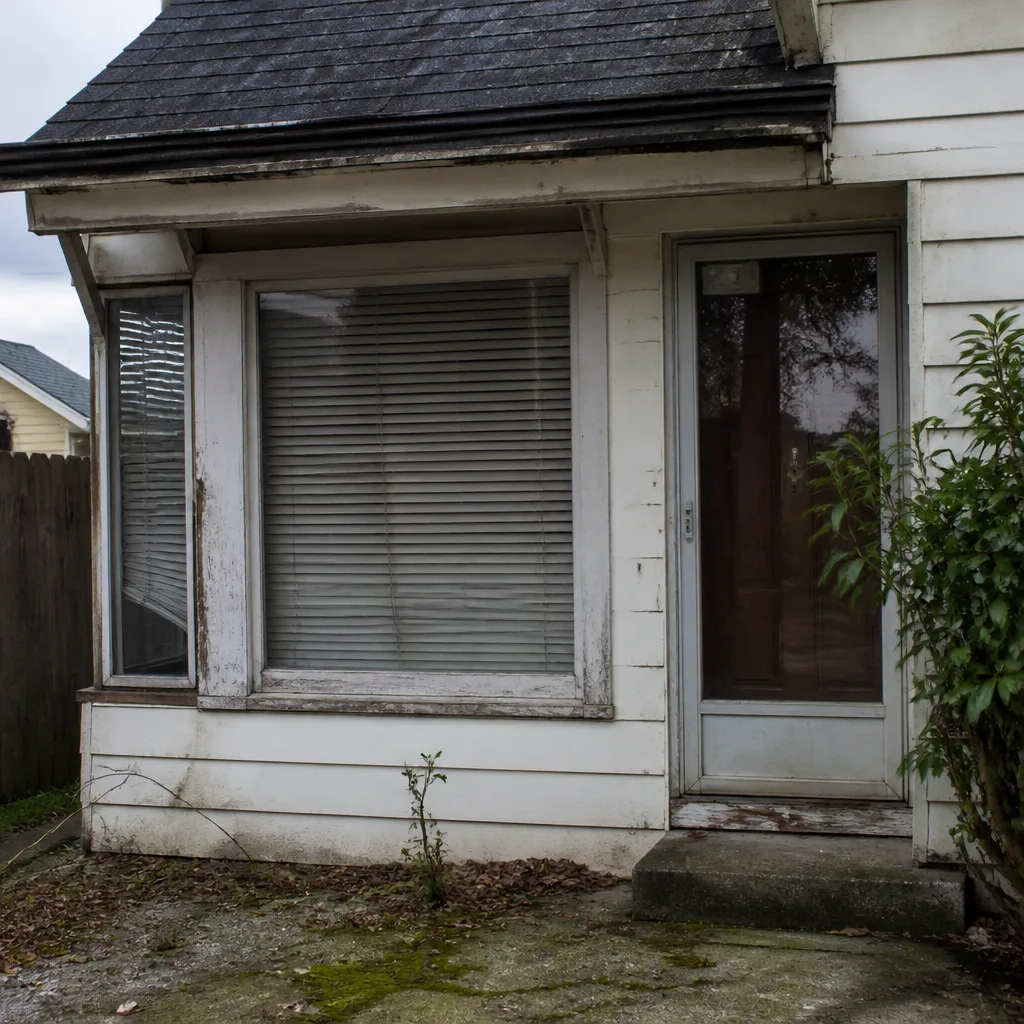 Before
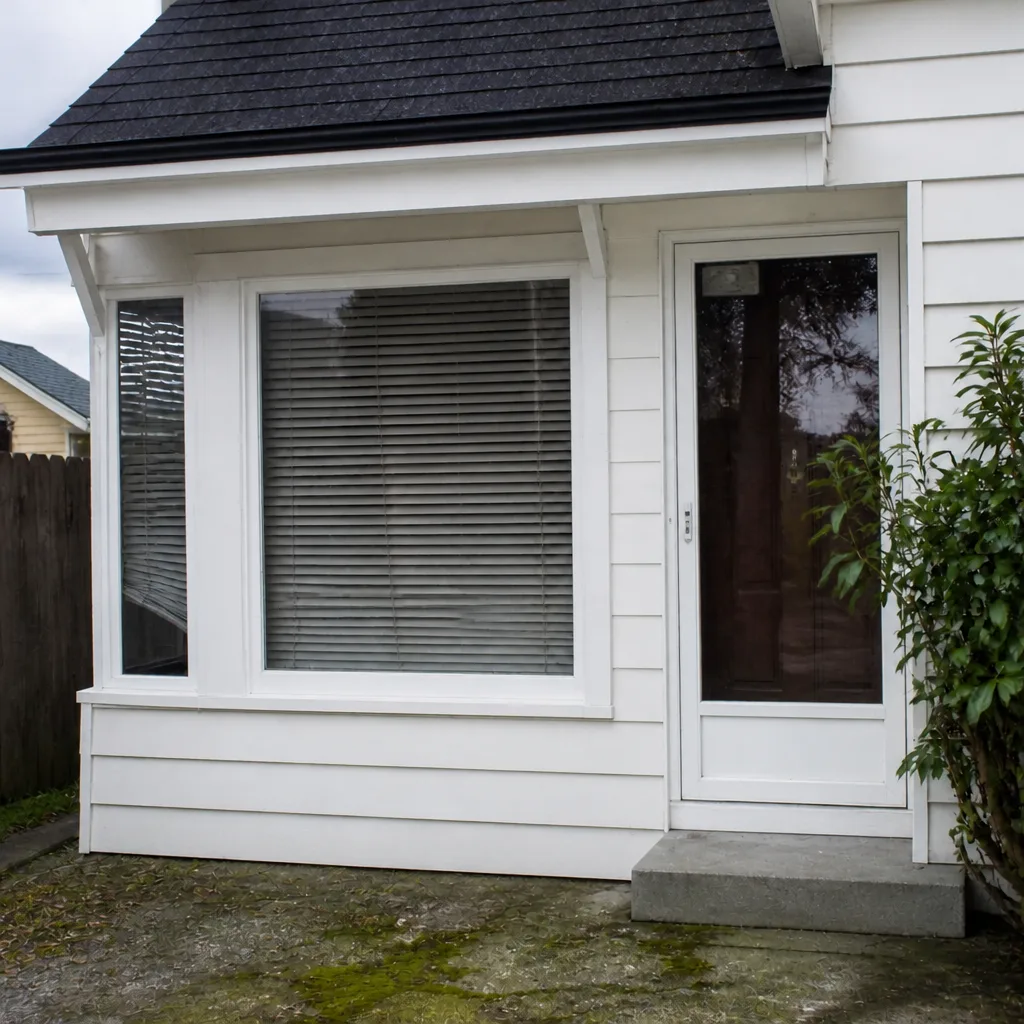 After
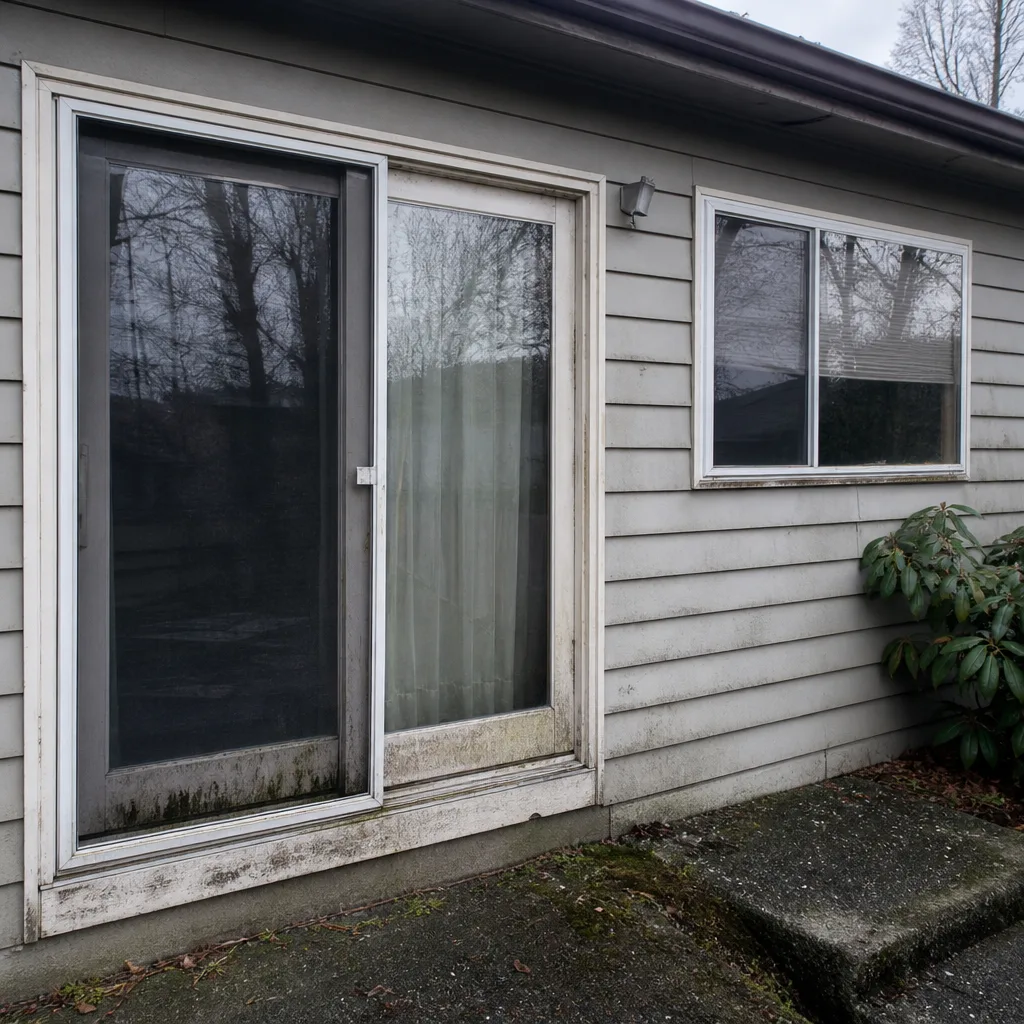 Before
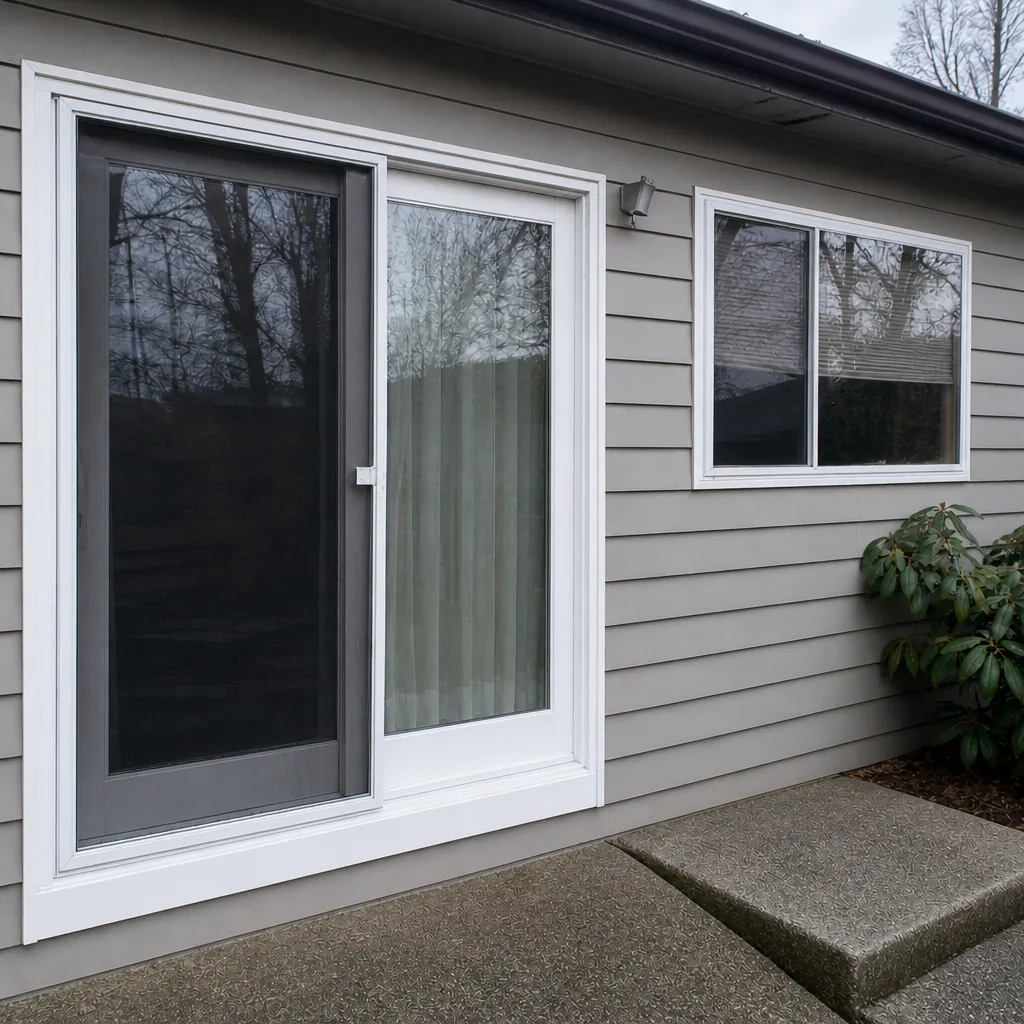 After
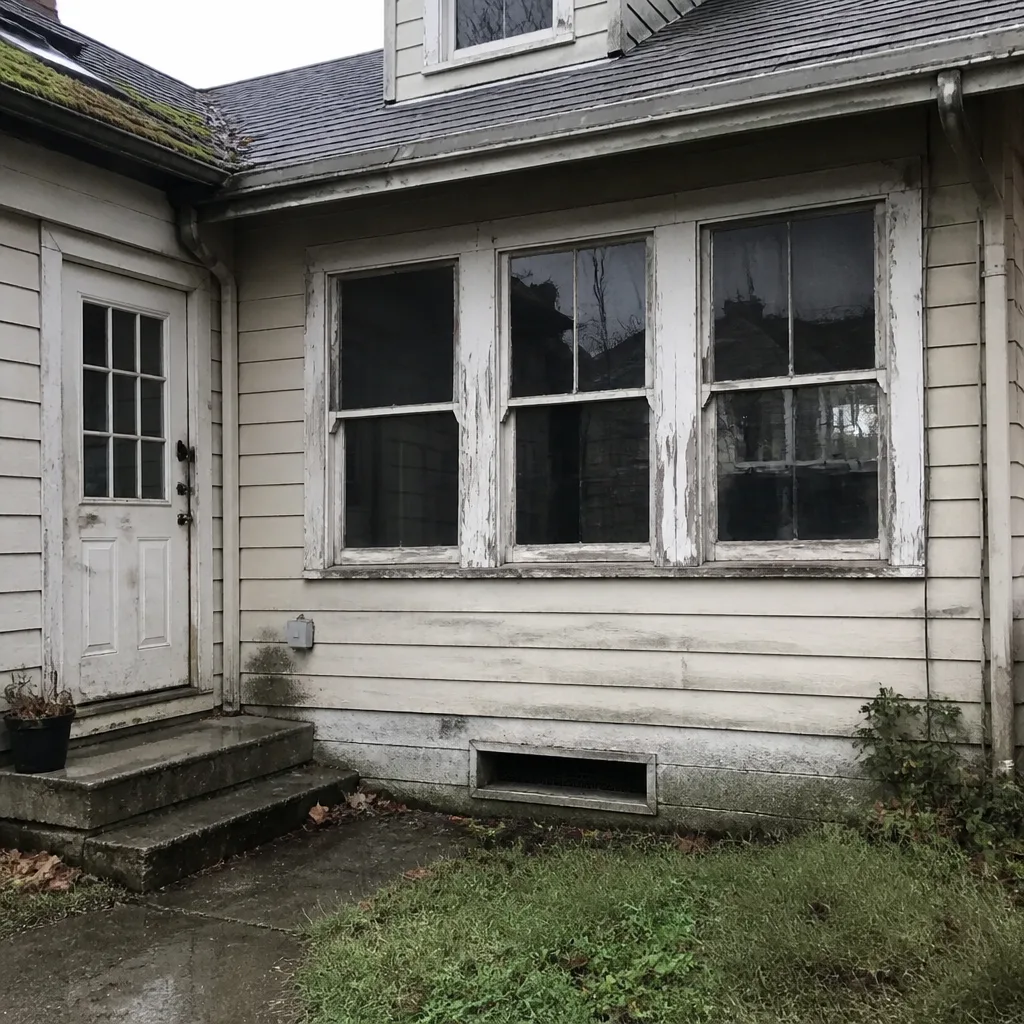 Before
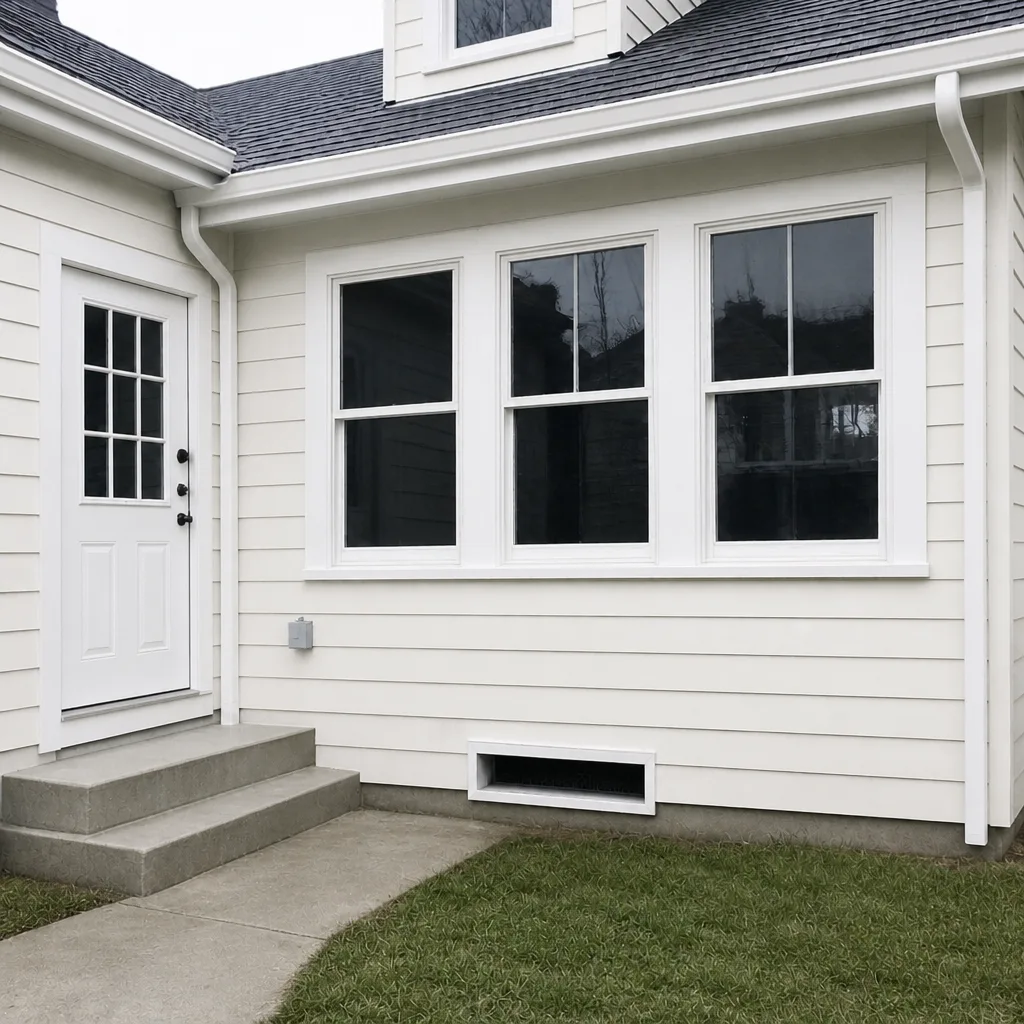 After
When to Call a Professional
Call a professional when the triage says replace-now: fog between the panes, visible daylight through closed frames, soft or rotting sills, a dropped door that won’t latch, or interior water staining around any opening. Call when a sliding door shows a draft at the track, fog between the panes, or interior water after heavy rain. Call when the smoke test says perimeter gaps are widening, or when the surface of the glass is cold enough that a room isn’t comfortable. Beyond those, a professional eye helps when you’re not sure – the cost of a diagnostic is far less than the cost of the wrong decision.
Tacoma Window Replacement Pros offers free estimates in Tacoma on window replacement, door replacement, and sliding door projects. Call (253) 295-7077 to schedule yours. Our technicians have up to 10 years of experience, and we install and replace windows and doors only – no roofing, no siding, no general remodeling drift. We work with eight brands, including impact-rated lines through PGT, CGI, ES Windows, and ECO Window Systems for homes with storm or wind exposure, so you can compare the right window for your home – not just the one somebody has in stock.
Frequently Asked Questions
Yes – condensation trapped between panes is always a failed seal and always means the glass unit needs replacing. Unlike condensation on the inside surface, it won’t wipe away and it won’t clear on its own. Call (253) 295-7077 for a free estimate if you see it on more than one window.
Use the incense stick test. If the smoke streams inward at the edges of the frame, it’s a perimeter issue – weatherstripping, sash fit, or frame joinery. If the smoke stays vertical but you still feel cold near the window, it’s cold radiation off the glass, meaning the glass unit’s performance is the problem. Call us for an estimate if you’re not sure where to categorize it.
In cold weather, wood doors and frames shrink slightly, and hinges compress. A door that latches fine in summer and misaligns in winter is showing you the door frame has become sensitive to seasonal movement – a dropped hinge or settling frame. If the deadbolt stops engaging the strike plate, that’s a replace-or-realign conversation, and we can look at it during a free estimate.
Sometimes, yes. Sash replacement and glass unit replacement programs exist for certain window systems, and they’re a real option for homes where the frames are solid. The catch is that the frame has to be sound – if there’s rot or swelling at the perimeter, full-frame replacement is the correct answer. We’ll tell you which one applies to your home during the estimate.
New insulated glass units can reduce losses through the glass and perimeter, but the honest answer is that attic insulation and air sealing typically affect a bill more than windows do. Replace your windows because the glass has failed, the drafts are visible, or the room is uncomfortable – and treat a lower bill as a bonus rather than the main reason.
We take window and door projects of three openings or more. This keeps our crew focus tight and keeps projects efficient, and with eight installations it’s a lot easier to coordinate windows and doors in one visit. Call (253) 295-7077 to talk through the scope of your project – the estimate is free and fixed in writing.
The Bottom Line
The core skill in this guide is telling apart the three states: normal physics, monitor, and replace now. Condensation that wipes away is physics. Fog between the panes is a failed seal and needs replacement. A sticky window in the wet season is swelling, not hardware, and the test is the side gap. A door that won’t latch is a security problem, not a locksmith visit. A bill spike needs HVAC and attic checked before windows. Learn those five tests and you can walk any Tacoma home and categorize every window and door in under an hour – without paying for a replacement you didn’t need.
If you’ve walked your home and the triage has pointed at replacement, that’s where we come in. Tacoma Window Replacement Pros installs and replaces windows and doors only, and we carry brands across multiple price tiers – from mainstream replacement lines through CWS and Mr-Glass, to impact-rated options through PGT, CGI, ES Windows, and ECO Window Systems. We coordinate windows, entry doors, and sliding doors through one crew, so the exterior envelope stays consistent. Eight brands, one specialist, and a written estimate that doesn’t change once work starts.
Call (253) 295-7077 for a free estimate on your window installation or door project. Whether you’re sorting a single foggy kitchen window or replacing the whole envelope on a Tacoma bungalow, we’ll help you compare brands side by side before you commit.
Written by the team at Tacoma Window Replacement Pros.