Last updated November 25, 2026
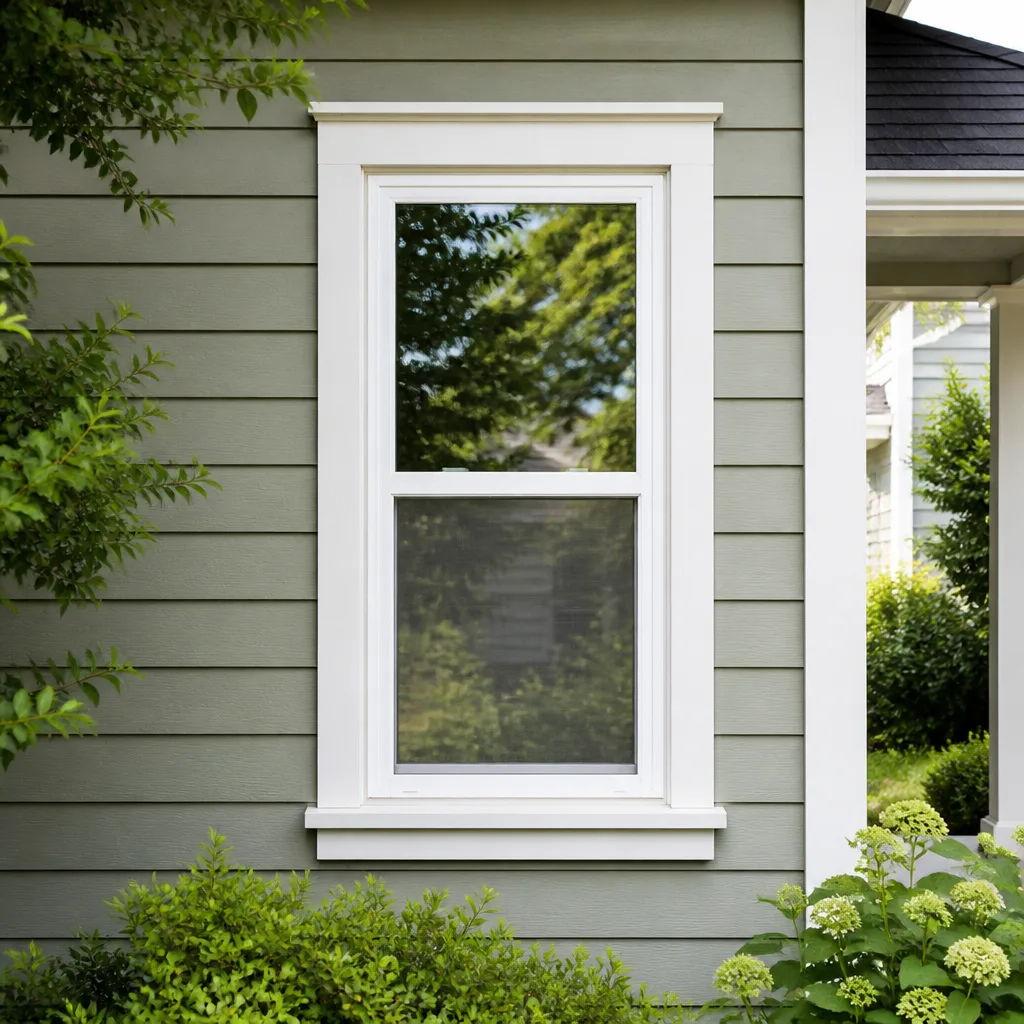 Single hung
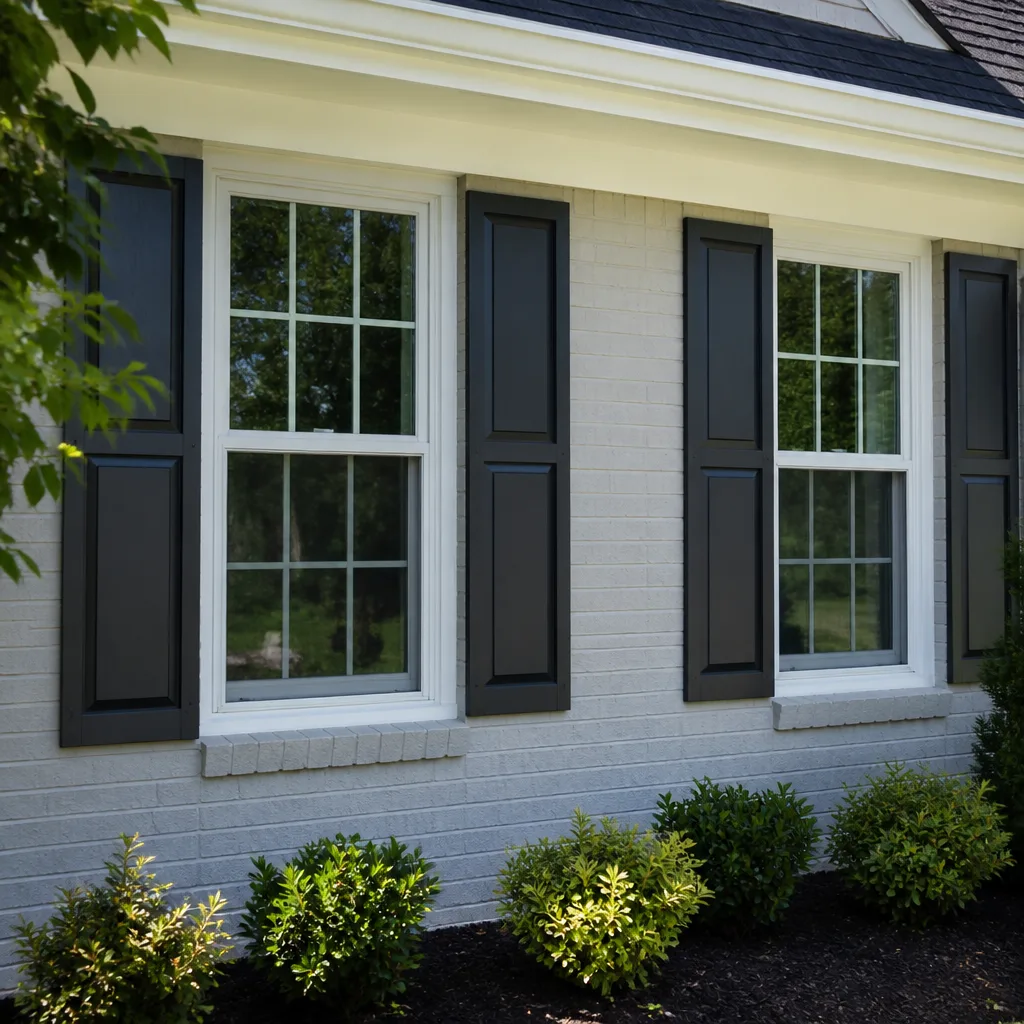 Double hung
 Horizontal roller
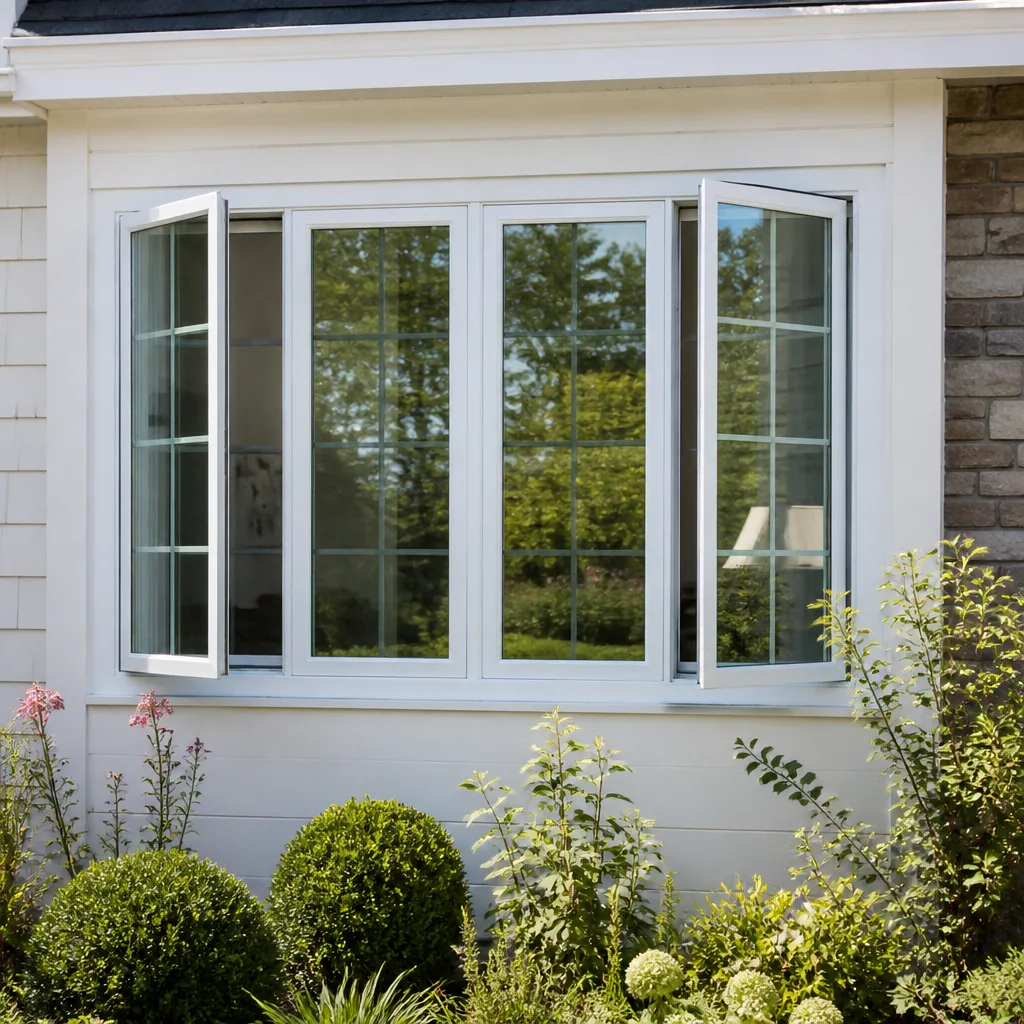 Casement
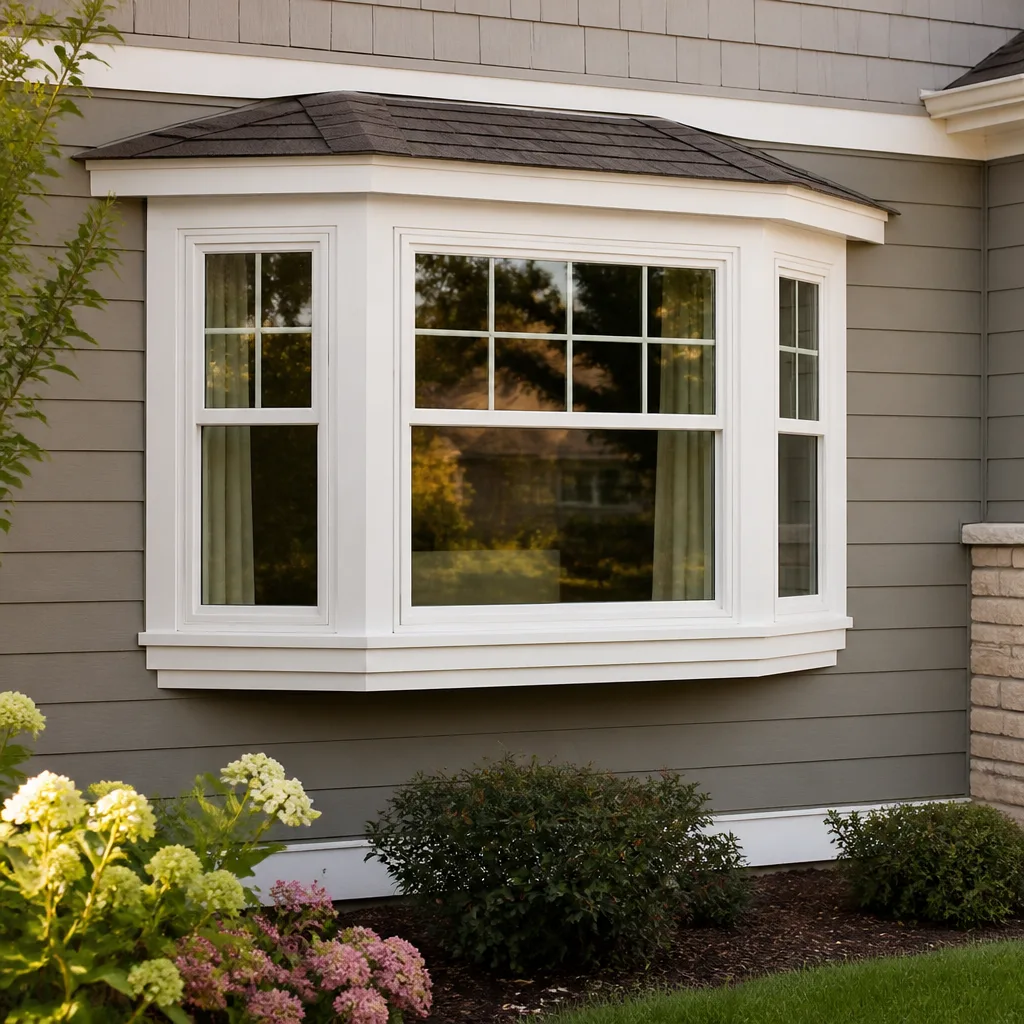 Bay & bow
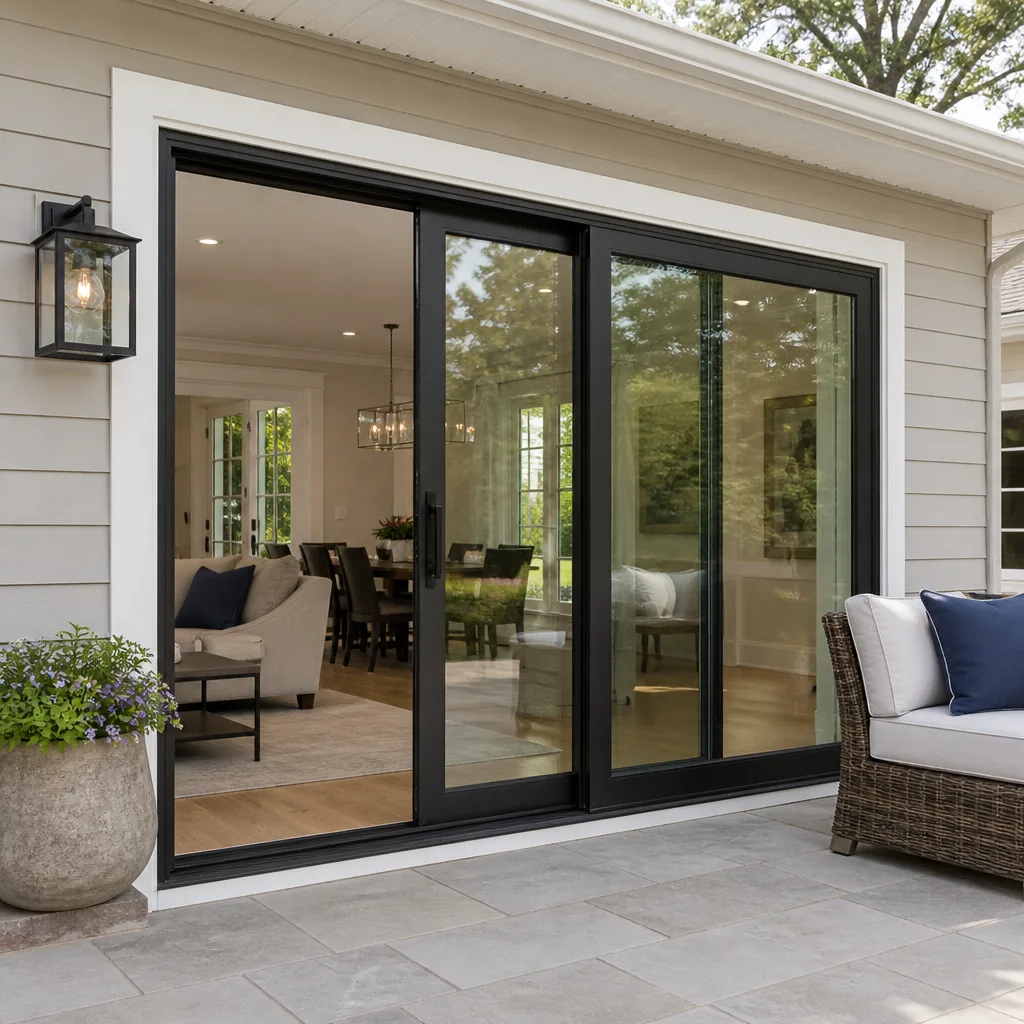 Sliding glass doors
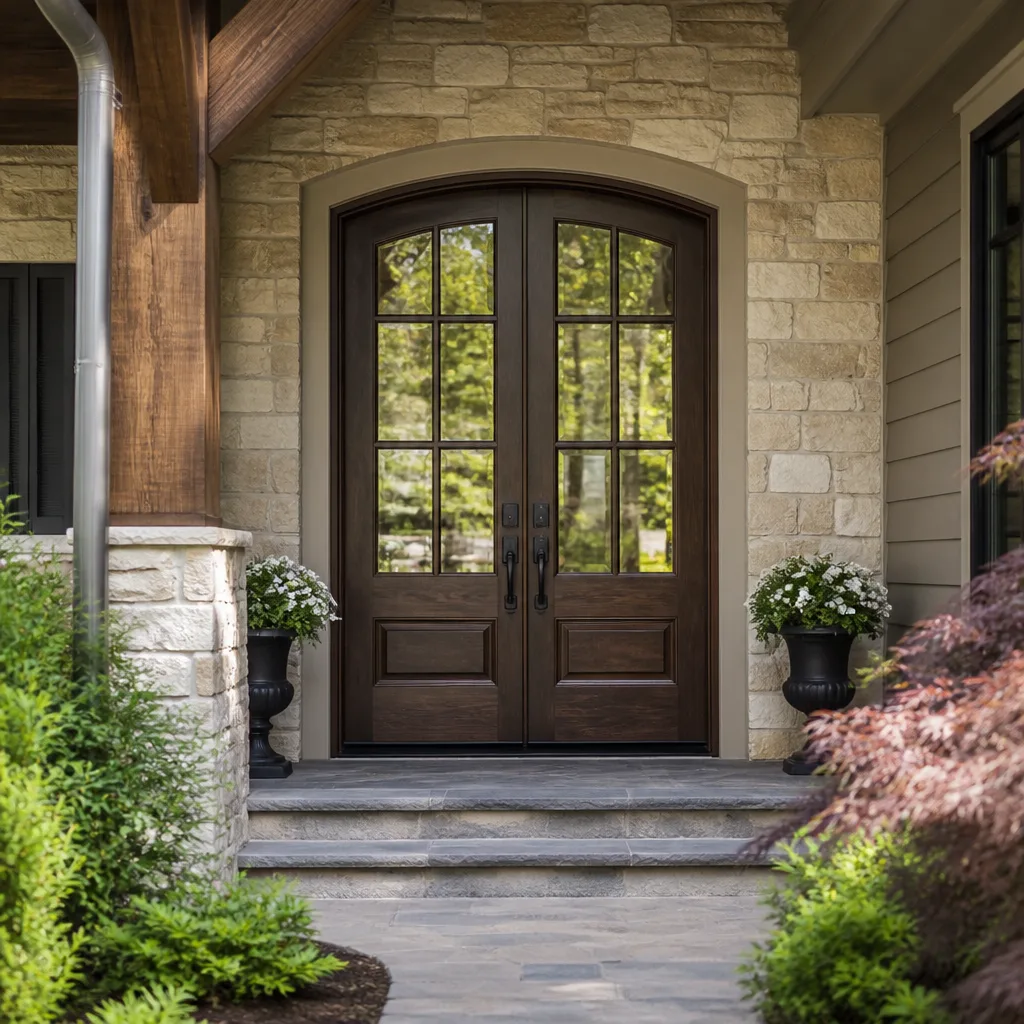 Entry doors
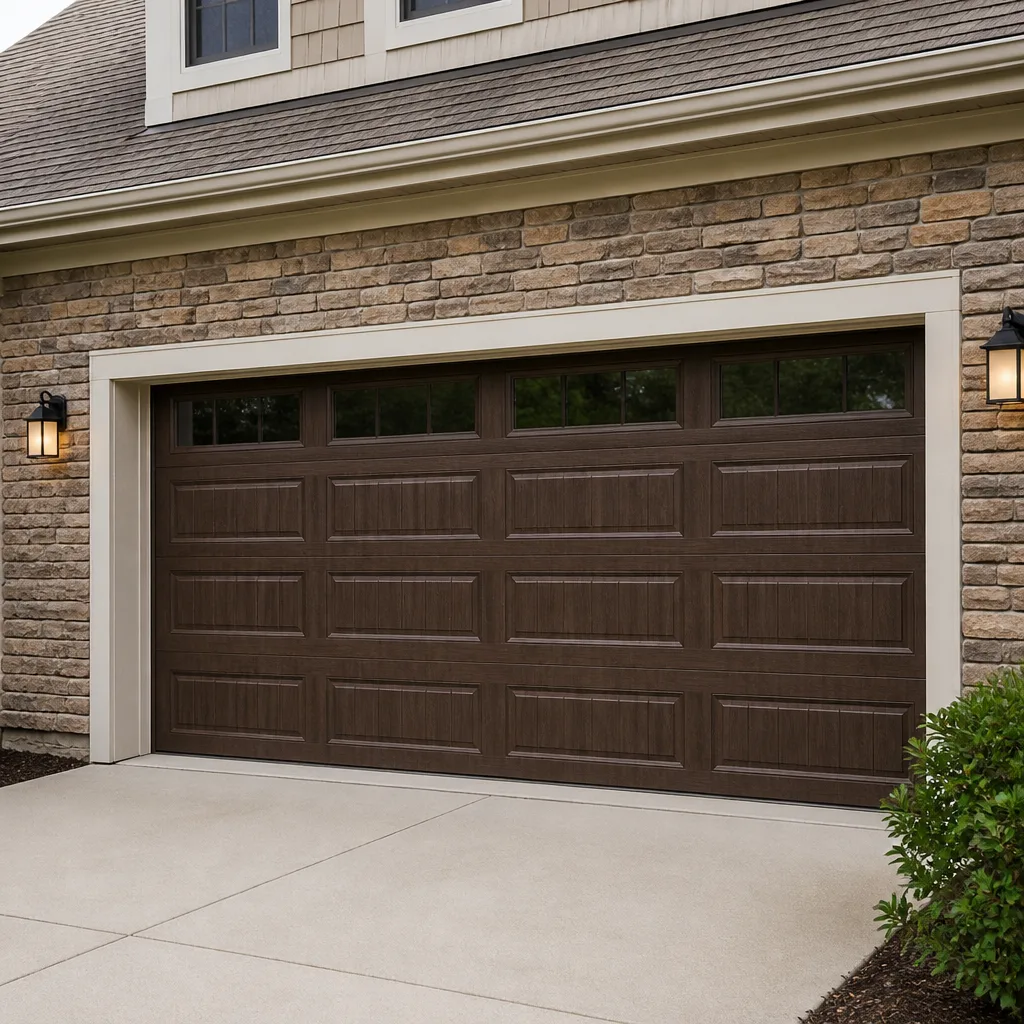 Impact garage doors
 PGT
 CGI
Free in-home measure and quote - PGT, CGI and CWS impact lines compared on your actual openings, style by style
Get your free estimateWindow Replacement Maintenance Checklist for Tacoma Homeowners
Manufacturers void window warranties for “improper maintenance” all the time, yet almost no installation guide explains what that phrase means in practice. Most homeowners only learn the definition when a claim gets denied and the fine print comes out. The good news is that proper maintenance is not complicated, and it has less to do with washing glass than with protecting three specific failure points: the perimeter seal, the drainage system, and the moving hardware. This guide walks through a task-by-task protocol built around the actual warranty language the major brands use, adapted for the weather a Tacoma home actually faces.
Quick Answer
A window maintenance checklist for Tacoma homeowners covers four recurring jobs: cleaning weep holes and tracks so rainwater drains instead of pooling, testing perimeter seals with a dollar bill, lubricating hardware with a product matched to your frame material, and inspecting exterior caulk and cladding before the rainy season. Doing these four things on a simple yearly schedule protects both the window and the warranty, because every major manufacturer ties coverage to documented, reasonable care.
Styles & brands we work with
- Single hung
- Double hung
- Horizontal roller
- Casement
- Bay & bow
- Sliding glass doors
- Entry doors
- Impact garage doors
- PGT
- CGI
Table of Contents
- What the Warranty Actually Requires
- Two Spots That Collect Moss and Mold Spores
- Weep Holes: The Drainage Failure That Looks Like a Roof Leak
- Testing Seal Integrity With a Dollar Bill
- Hardware Lubrication by Frame Material
- The Seasonal Checklist for Tacoma Weather
- Exterior Seals, Caulk, and Cladding
- Keeping Records That Protect Your Claim
What the Warranty Actually Requires
Window warranties are written to cover manufacturing defects, not wear and neglect. That distinction explains most denied claims. The major brands, including Milgard, Andersen, and Pella, all require that windows be maintained in reasonable condition, and they exclude damage caused by failure to do so. None of them send a checklist with the frame, so the obligation falls on the homeowner to know what reasonable care looks like.
Across the warranty documents most Tacoma homeowners are likely to hold, the same few obligations repeat:
- Keep drainage passages clear so water exits the sill and track.
- Maintain exterior sealant and flashing so water does not get behind the frame.
- Clean glass and frames with non-abrasive, manufacturer-approved products.
- Lubricate and adjust operating hardware so it moves without forced stress.
- Report a defect within the notice period rather than waiting for it to worsen.
Read the exclusions page of your own warranty, not the headline coverage term. The exclusions section is where “improper maintenance” lives, and it usually names the exact systems above. A homeowner who can show a simple maintenance routine has a much stronger position than one who cannot. It also helps to know what your current windows are: if they are older single-pane units that no longer respond to care, replacement planning may matter more than maintenance, and our window replacement page explains what that involves.
Two Spots That Collect Moss and Mold Spores
Tacoma’s damp, mild winters give moss and mold spores an easy foothold on window exteriors. Two locations collect them more than any other: the bottom exterior sill ledge, where water sits after rain, and the lower corner channels of the frame, where debris and moisture gather behind the sash. Both stay wet longer than the rest of the window, and both are out of the way enough that most homeowners never look.
Treating growth without damaging the frame finish takes a little care:
- Start with a soft brush and plain water. Lift growth off the surface rather than scrubbing it in.
- For stubborn spots, use a mild soap solution and a non-abrasive cloth on vinyl and aluminum-clad frames.
- Avoid bleach and harsh solvents on vinyl, since they can dull or chalk the finish over time.
- Rinse thoroughly and dry the channel so moisture does not return immediately.
- Clear the debris that caused the buildup in the first place, or the growth simply comes back.
On fiberglass and wood-clad frames, check the manufacturer’s cleaning guidance before applying anything stronger than soap. Milgard and Andersen both publish approved cleaners, and using an unapproved product can create the very finish damage a warranty excludes. The point of the cleanup is not a spotless window. It is keeping organic growth from holding moisture against the frame and sealant where it does long-term damage.
Weep Holes: The Drainage Failure That Looks Like a Roof Leak
Weep holes are the small slots at the bottom of the window frame and track that let water drain out. When they clog, rainwater has nowhere to go. It backs up inside the sill, finds the path of least resistance, and shows up as a wet stain on the ceiling or wall below the window. Homeowners see that stain and call a roofer, but the roof is usually fine. The window drainage system failed.
This matters more in Tacoma than in drier climates because the rainy season delivers weeks of steady moisture. A partially clogged weep hole that drains fine in a light shower can back up during a multi-day storm, and the resulting interior damage looks exactly like a leak from above.
The fix is simple enough to do during routine cleaning:
- Locate the weep holes along the bottom exterior of each frame and at the track.
- Clear debris with a soft brush, a pipe cleaner, or a short blast of compressed air.
- Never seal, caulk, or paint over a weep hole, which is one of the most common causes of interior leaks.
- Confirm water drains freely by pouring a small amount into the track and watching it exit outside.
Check them before the wet season and again after the worst of it. If water still backs up after clearing, the window may have a failing seal or a frame that has shifted, and that is a job for a professional rather than a homeowner with a wire.
Testing Seal Integrity With a Dollar Bill
Before you pay anyone for a service call, you can check whether your windows still seal properly with nothing more than a dollar bill. The test takes seconds per window and tells you whether air and water are getting past the sash. Close the window on the bill so the paper sits between the sash and the frame, then try to pull it out.
- Close the window firmly on the bill at several points around the perimeter.
- Pull gently. A window with a sound seal grips the bill with noticeable resistance.
- If the bill slides out easily at any point, the weatherstripping or seal at that spot has compressed or failed.
- Repeat on both sashes of a double-hung window so you check top and bottom.
A failing seal does not always mean the whole window needs replacing, but it does mean the window is losing energy and letting moisture in. On older units, worn weatherstripping can sometimes be addressed, while a frame that has warped or settled usually points toward a new window. When seal testing shows the same problem across several windows, it is worth a professional assessment rather than piecemeal fixes. Our window installation page covers what a fresh installation involves and how it corrects the gaps that seal tests reveal.
Hardware Lubrication by Frame Material
Window hardware needs lubrication, but the wrong product does more harm than none at all. Lubricants interact with frame finishes and with the plastic and metal components in locks and tracks, and some products that work well on one frame material will gum up or stain another. Match the product to the frame before you spray anything.
- Vinyl frames: use a silicone-based lubricant on tracks and moving parts. Avoid oil-based products that attract dirt and can stain the vinyl over time.
- Fiberglass frames: silicone spray is safe, and the frame itself holds up well to cleaning. Keep lubricant on the hardware, not the frame surface.
- Aluminum-clad frames: a dry or silicone lubricant on locks and hinges is best, since petroleum-based products can leave residue and hold grit against the finish.
- Locks and latches: a light application of silicone or a graphite product keeps them moving without collecting dust.
Apply sparingly and wipe off excess. Too much lubricant attracts dust, which turns into a gritty paste that wears hardware faster than a dry mechanism would. A twice-yearly application, or once before and once after the rainy season, keeps most windows operating smoothly. If a lock resists after lubrication, do not force it; that is a sign of a hardware problem worth a professional look.
The Seasonal Checklist for Tacoma Weather
Tacoma’s climate asks different things of a window at different times of year. The rainy season is the test, and the dry stretch is the window of opportunity for anything that needs to be sealed or cleaned before the wet weather returns. A simple calendar keeps the work from piling up.
- Late summer, before the rains: inspect exterior caulk and cladding, clear weep holes, and clean frame channels so drainage starts the season clear.
- During the wet season: check for interior water stains after heavy storms and clear any debris that has collected in tracks or weep holes.
- Spring: clean off moss and spores that took hold over winter, test seals with the dollar-bill method, and lubricate hardware.
- Any time the hardware sticks: address it with the correct lubricant for the frame rather than forcing the mechanism.
The logic is straightforward. Water damage comes from water that cannot drain, so the work before the rains matters most. Seal and hardware checks in the drier months are easier to complete and easier to spot problems on a dry window.
Exterior Seals, Caulk, and Cladding
Everything inside the window depends on the exterior staying intact. The sealant and flashing around the frame keep rainwater from getting behind the window and into the wall cavity, so a failed bead of caulk is a much bigger deal than a cosmetic crack. In Tacoma, where moisture is persistent, exterior sealant deserves a close look at least once a year.
Walk each window from outside and check for:
- Gaps or cracks in the caulk at the frame-to-wall joint.
- Caulk that has pulled away, hardened, or cracked with age.
- Lifted or damaged flashing above the window head.
- Cladding that has loosened, dented, or allowed water behind it.
Re-caulking a small gap is well within reach of a homeowner, but water that has already gotten behind the frame is not a caulk job. If you see soft wood, interior staining, or sealant that keeps failing in the same spot, the underlying problem needs a professional. This is also where the brand matters: the same frame systems and impact-rated lines available through PGT, CGI, and ES Windows are designed with drainage and flashing systems that work together, and a properly installed window drains the way the manufacturer intended. An expert assessment is free, and it is much cheaper than repairing a rotten wall.
Keeping Records That Protect Your Claim
A warranty claim turns on evidence. If you cannot show that a window was maintained, the manufacturer can reasonably argue that the failure came from neglect. The simple habit of keeping a maintenance log protects you far better than a flawless memory.
Record the date you clean weep holes and tracks, the date you lubricate hardware, the products you used, and any professional work done on the windows. Keep exterior caulk and sealant receipts. Photograph window conditions before and after any repair or replacement. If a window has been giving trouble, note when the problem started and what you have tried. None of this takes long, and all of it supports your position if a seal or frame fails years down the road.
There is also a bigger decision underneath the checklist. If your Tacoma windows are old enough that maintenance no longer solves the draft, the fog, or the leaks, the checklist shifts toward replacement planning. Windows and doors only, it’s all we do, so our team can tell you plainly whether yours are worth maintaining or ready to be replaced, and we work across eight brands so you can compare options side by side.
Common Mistakes to Avoid
- Caulking over weep holes. A well-meaning homeowner seals the drainage slots while chasing a draft, and the next rainy season sends water inside. Weep holes are there to drain, never to be filled.
- Using the wrong lubricant. Oil-based products on vinyl attract grit and stain the finish, and they can void the hardware portion of a warranty. Match the lubricant to the frame every time.
- Scrubbing moss with harsh cleaners. Bleach and aggressive solvents dull vinyl finishes and can damage wood-clad frames. A soft brush and mild soap handle most Tacoma growth safely.
- Skipping the dollar-bill test. Homeowners often pay for a service call before checking whether a seal actually failed. A minute with a bill tells you whether there is a problem at all.
- Ignoring exterior caulk until it leaks. By the time water shows up inside, it has usually been getting behind the frame for months. Inspect sealant before the rainy season, not after the damage.
- Confusing a window leak with a roof leak. Interior staining under a window often traces back to a clogged weep hole or failed sill drainage, not the roof above it. Check the window before calling a roofer.
- No maintenance records. A warranty claim without documentation of care gives a manufacturer room to deny it. Keep a simple log of what you did and when.
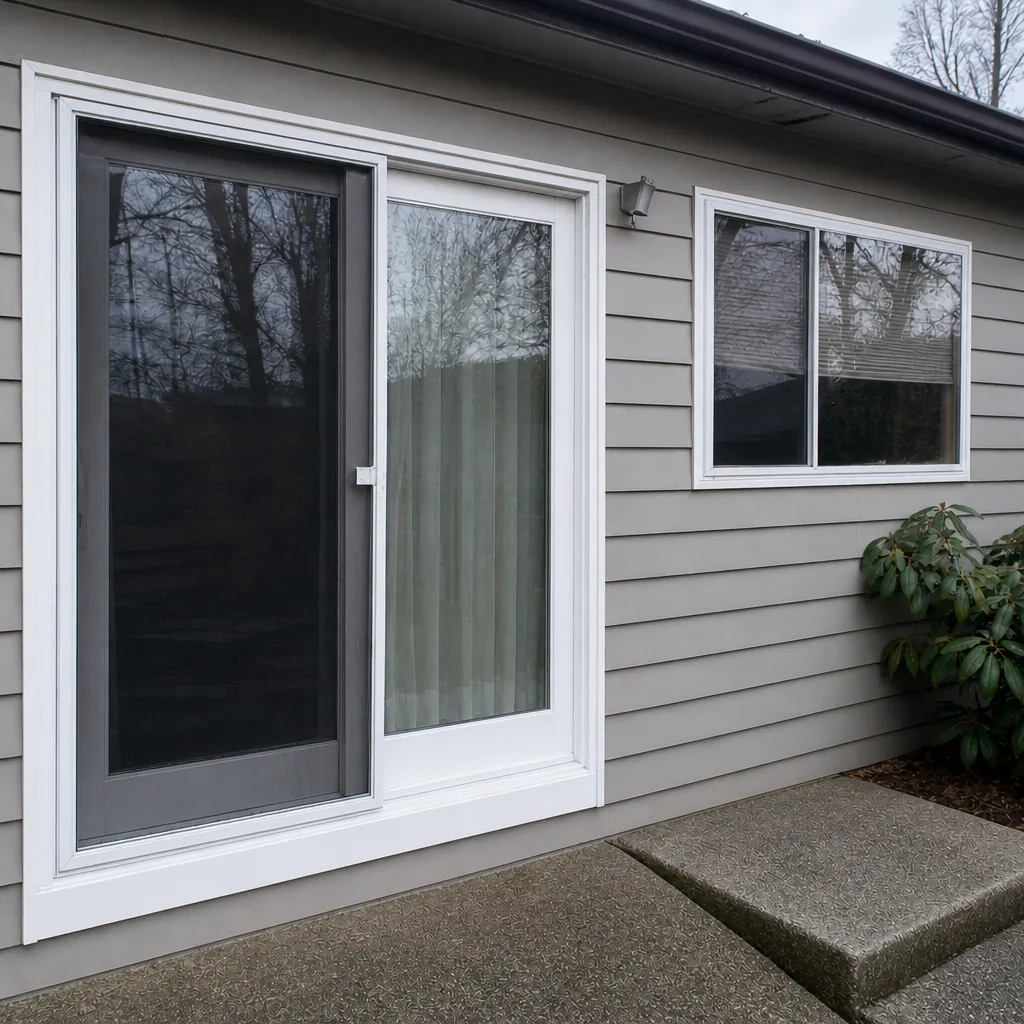
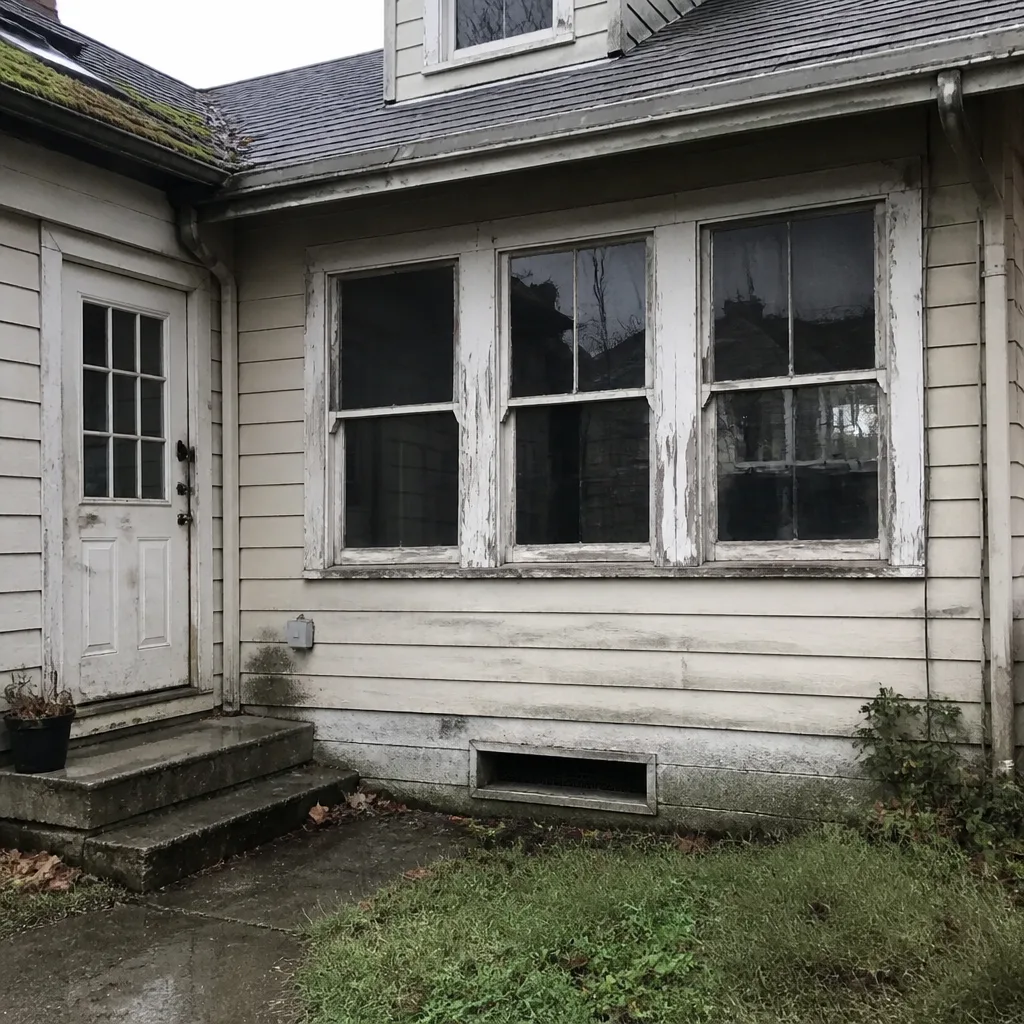
See the difference
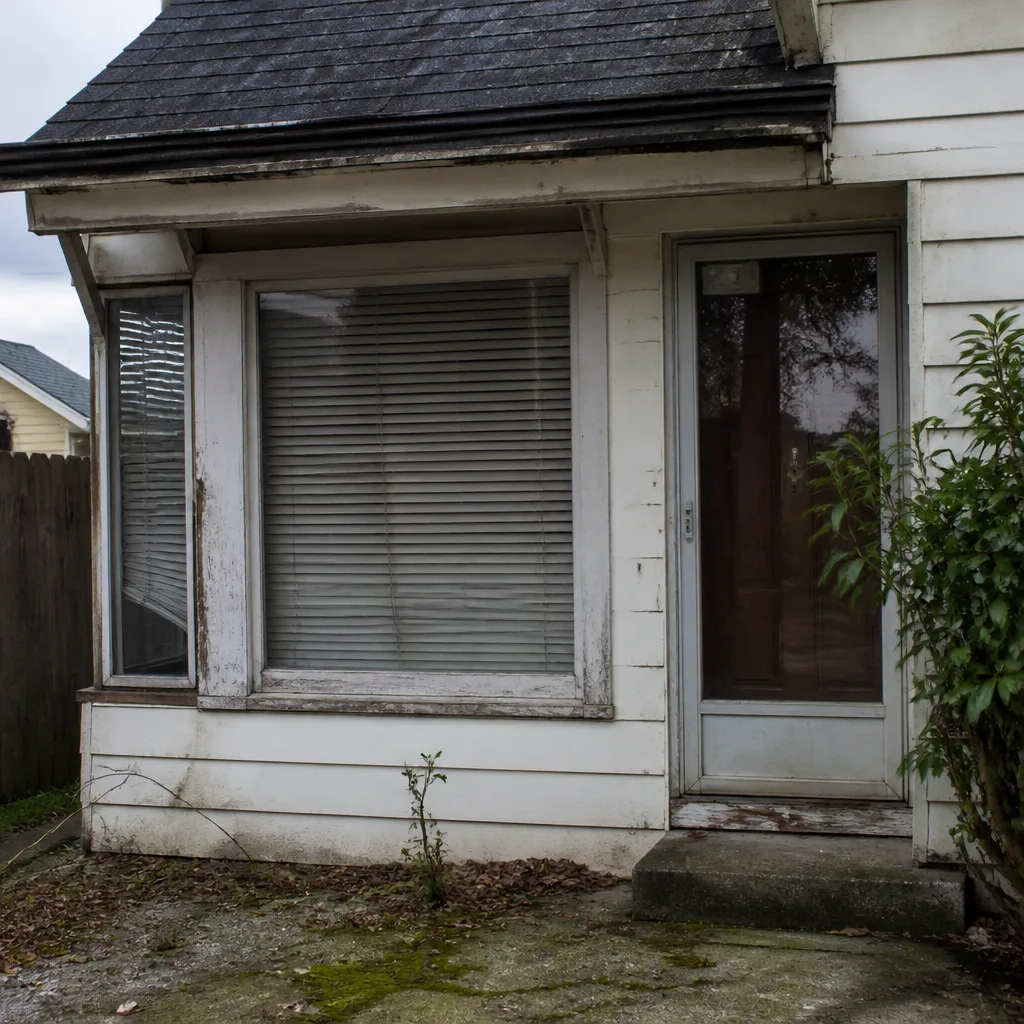 Before
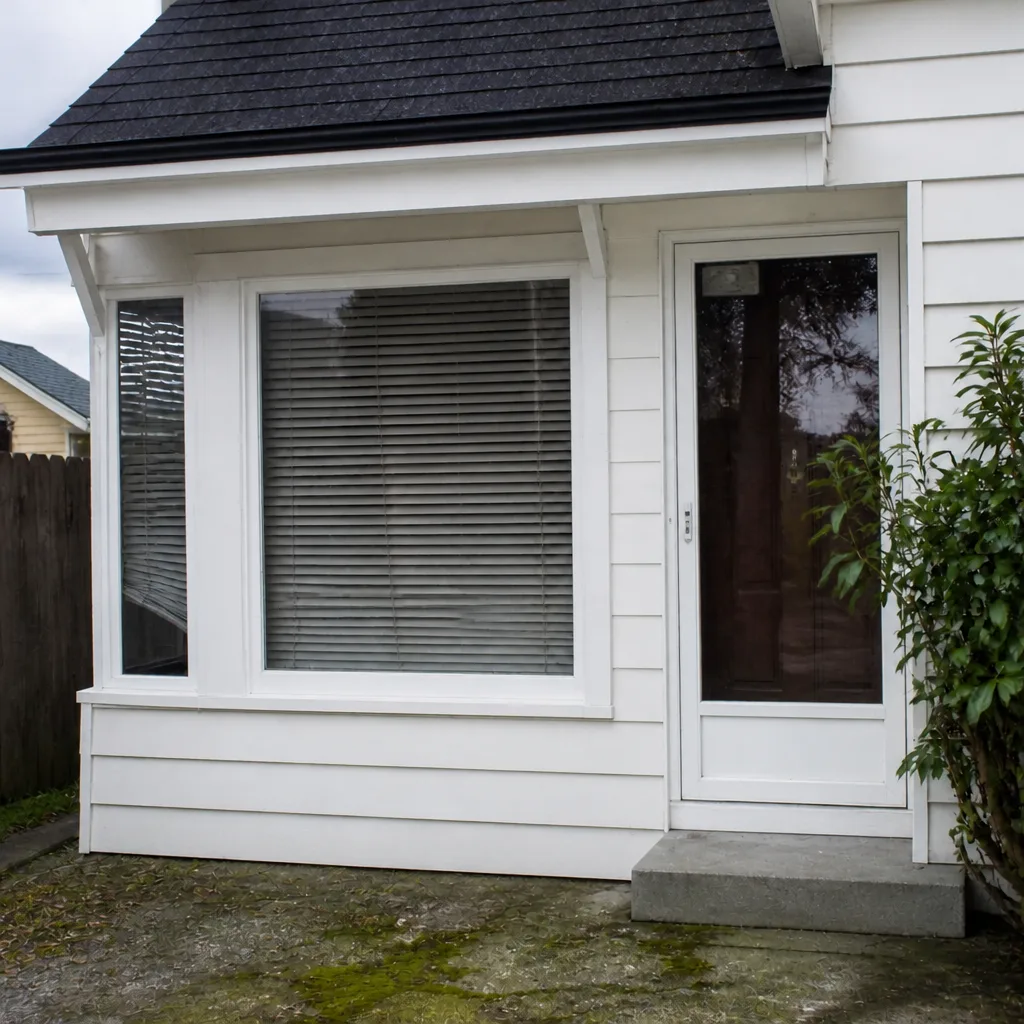 After
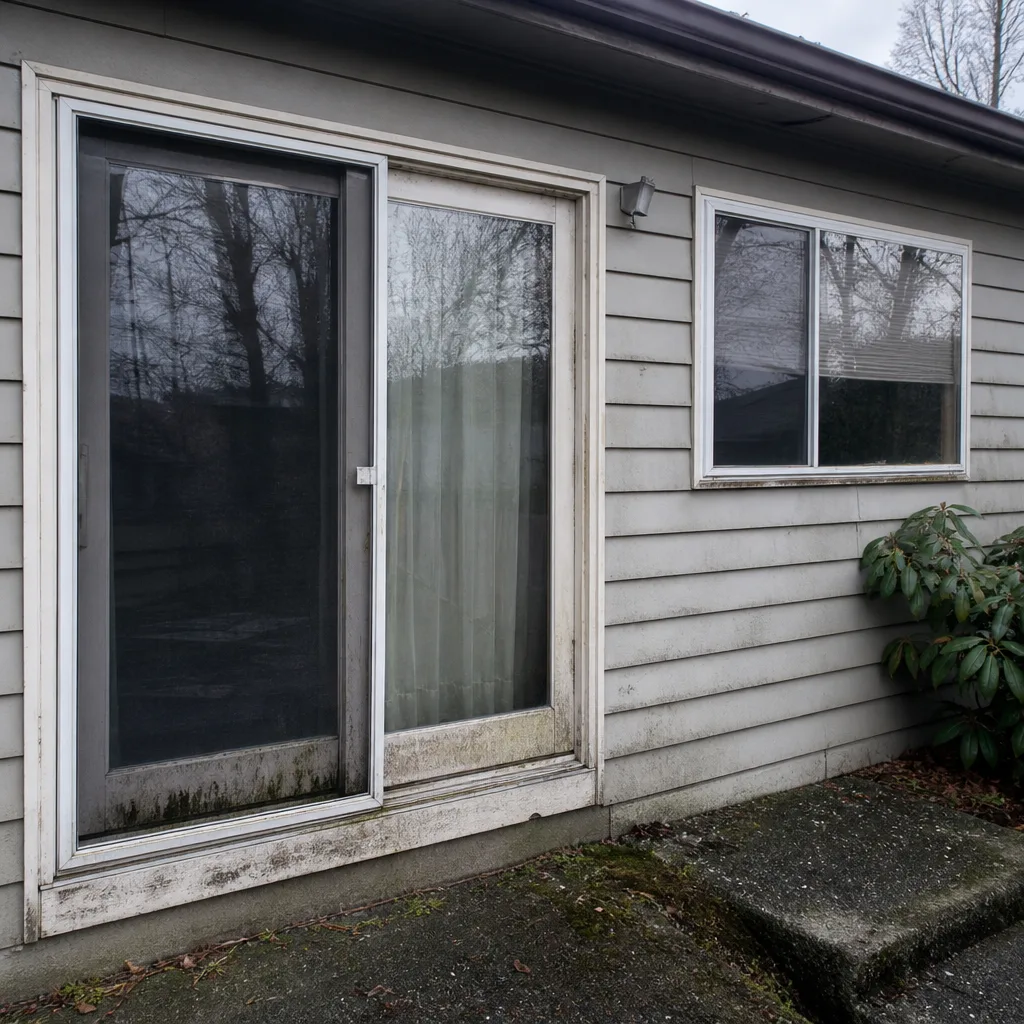 Before
 After
 Before
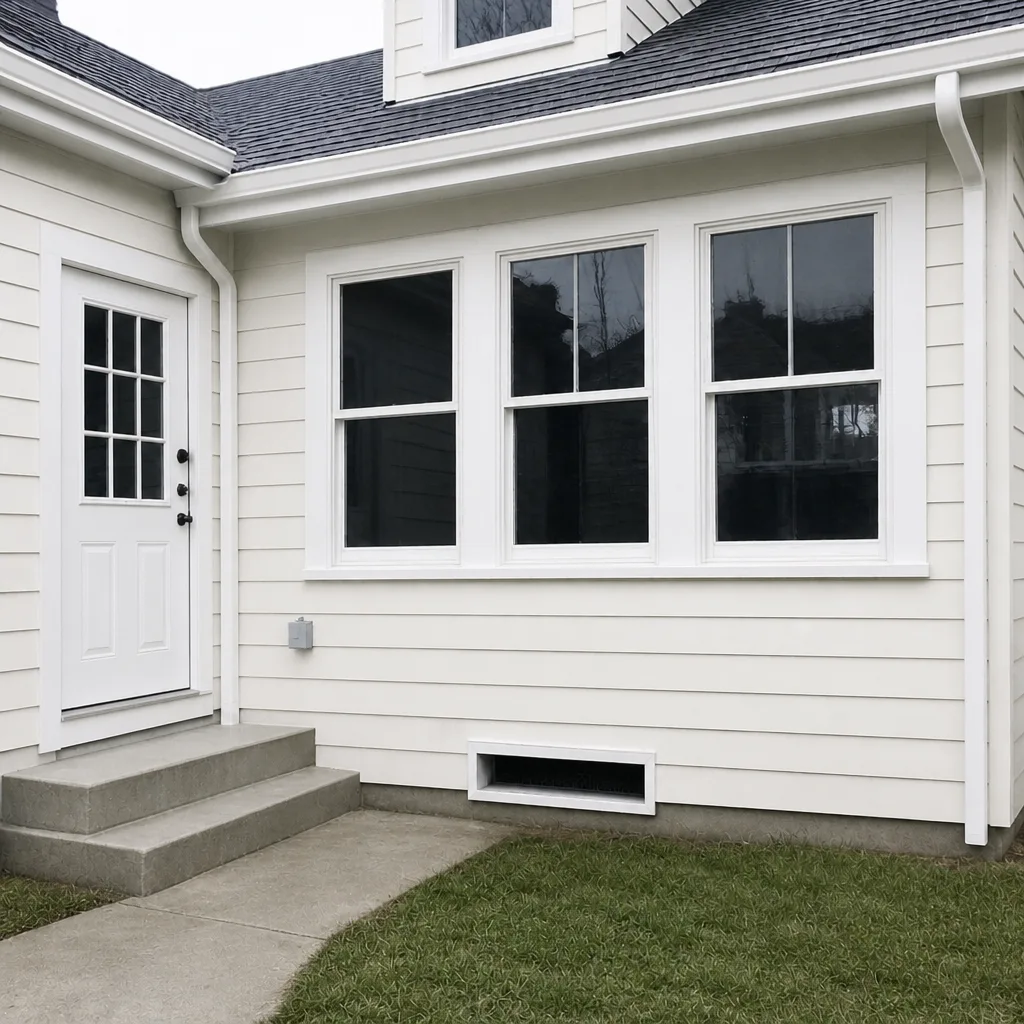 After
When to Call a Professional
A checklist handles routine care, but some problems are past the point where maintenance helps. Call a professional when water backs up even after you clear the weep holes, when interior staining appears under a window during rain, when several windows fail the dollar-bill seal test, when a lock or mechanism resists after proper lubrication, or when exterior caulk keeps failing in the same spot. These point to a failing seal, a frame that has settled, or water already inside the wall, and each one gets more expensive the longer it sits. Hardware and seals are also the parts most likely to be named in warranty exclusions, so a professional diagnosis protects your claim. Tacoma Window Replacement Pros offers free estimates in Tacoma, and you can call (253) 295-7077 to schedule yours.
Frequently Asked Questions
Check weep holes at least twice a year, once before the rainy season and once after the worst of it. Tacoma’s steady wet-season rain gives a clogged weep hole plenty of time to back up, so frequent checks matter more here than in a drier climate.
Yes, the dollar-bill test tells you whether a seal is holding. Close the window on a bill and pull gently; resistance means a sound seal, and easy sliding means it has failed. A failed test on one window is worth a professional look, and a pattern across several points toward replacement.
Mild soap and water with a soft cloth is the safest choice for vinyl frames. Avoid bleach and harsh solvents, which can dull or chalk the finish, and check the manufacturer’s approved cleaner list before using anything stronger.
Most interior window leaks in Tacoma come from clogged weep holes or a failed sill seal, not the roof. Water backs up in the track and finds a path into the wall, which shows up as a ceiling or wall stain that looks exactly like a roof leak.
Proper maintenance is what keeps a warranty valid, because every major manufacturer excludes damage from neglect. Keep a simple log of cleaning, lubrication, and exterior sealant work, and the record supports your claim if a seal or frame fails.
Replace when maintenance no longer fixes the problem, such as persistent drafts, fog between panes, or repeated leaks after weep holes are cleared. A free estimate from Tacoma Window Replacement Pros can tell you whether your windows are worth maintaining, and call (253) 295-7077 to book one.
The Bottom Line
A maintenance checklist protects a window and the warranty that covers it, but only if it targets the right things. Clear weep holes before the wet season, test seals with a dollar bill so you know when a service call is truly needed, lubricate hardware with the product matched to your frame, and inspect exterior caulk so water never gets behind the window. Those four habits cover the failure points most warranties exclude. In Tacoma’s rainy climate they matter even more, and a simple written log keeps your claim strong if something fails. Windows and doors only is our whole focus, so if your current windows are past maintenance, our team can help you compare brands and plan a replacement. Call (253) 295-7077 for a free estimate.
Written by the team at Tacoma Window Replacement Pros.