Last updated November 25, 2026
 Sliding glass doors
 Single hung
 Double hung
 Horizontal roller
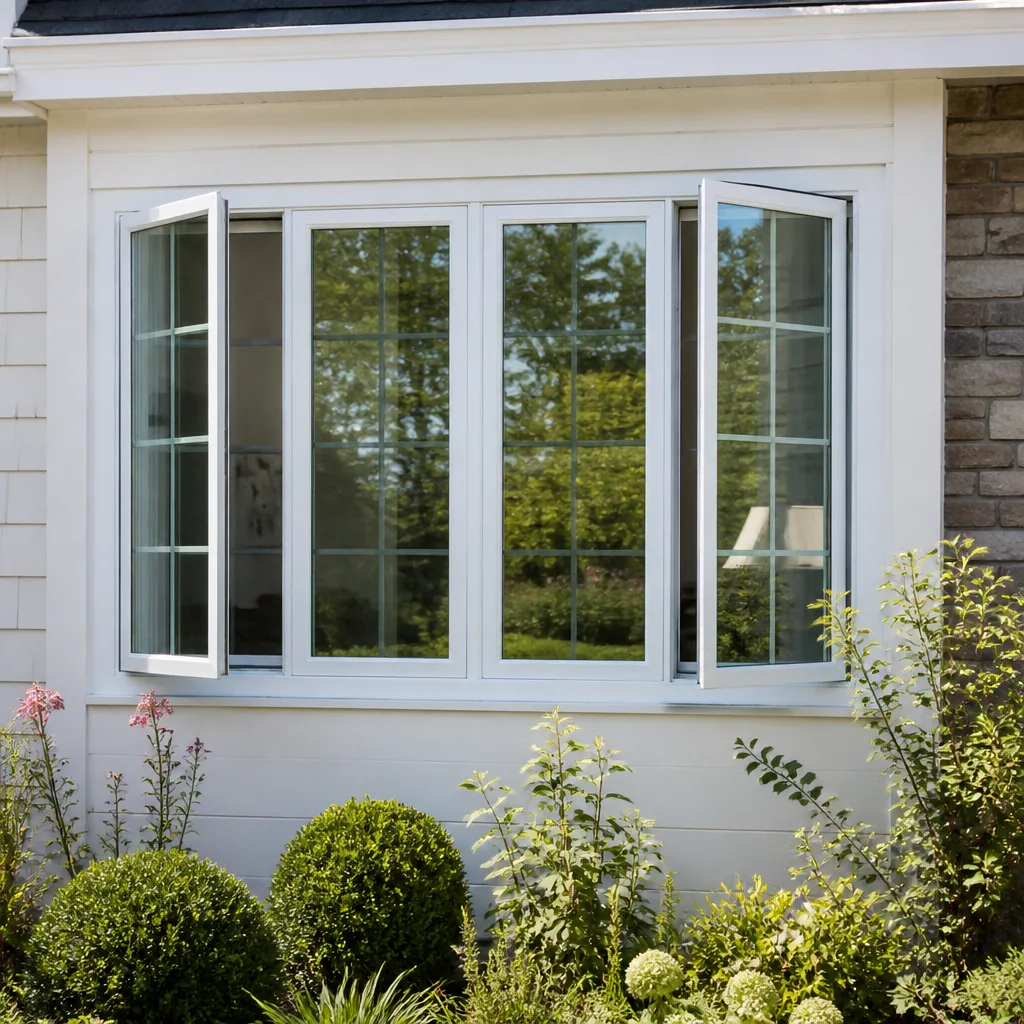 Casement
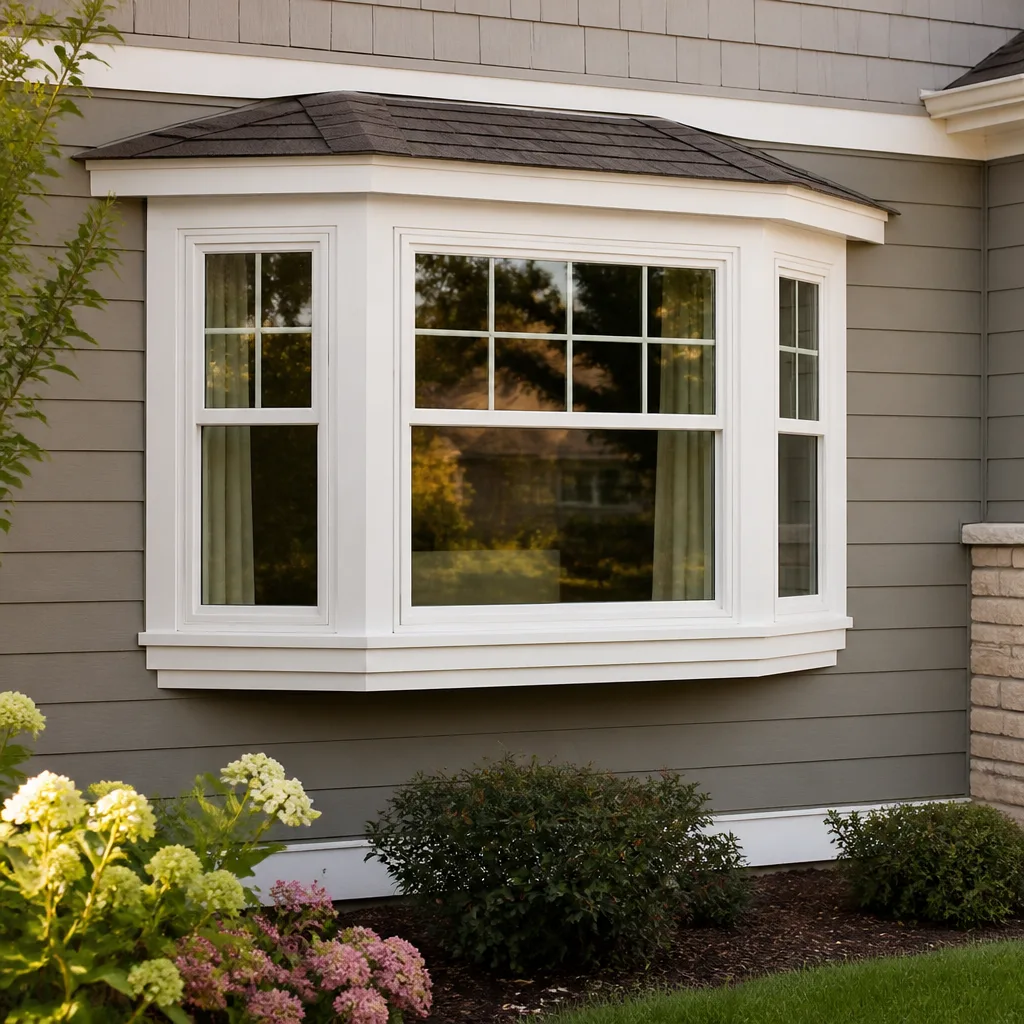 Bay & bow
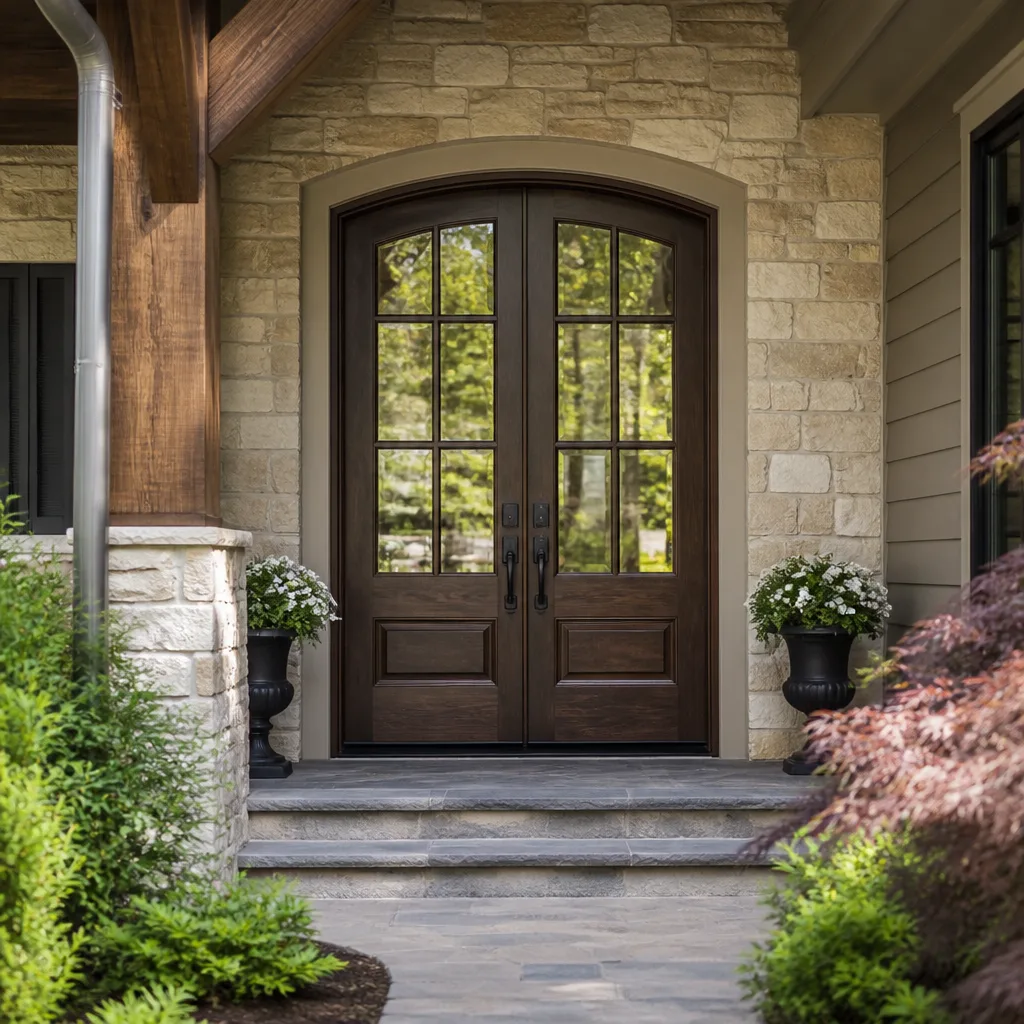 Entry doors
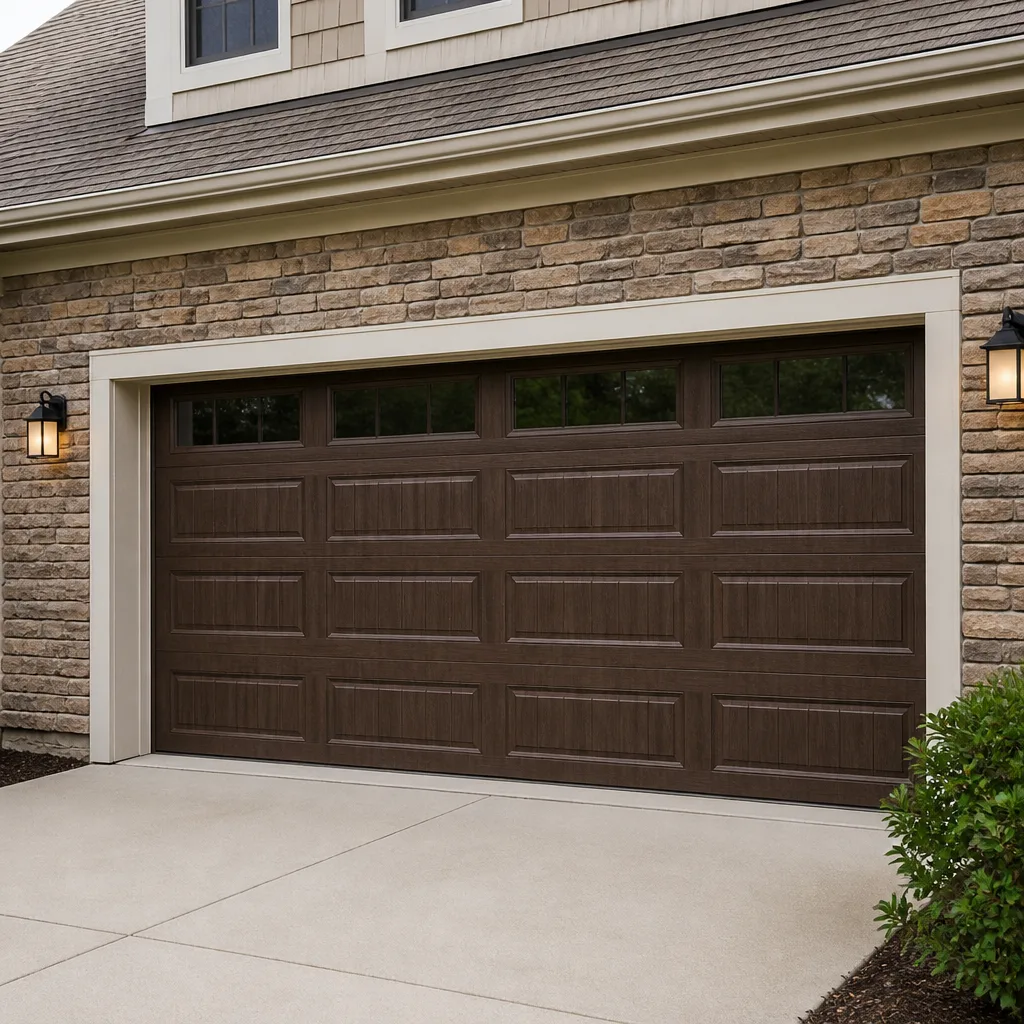 Impact garage doors
 PGT
 CGI
Free in-home measure and quote - PGT, CGI and CWS impact lines compared on your actual openings, style by style
Get your free estimateWindows & Doors Emergency Preparedness Guide for Tacoma Homes
Most Tacoma homeowners think about their windows and doors in terms of comfort, curb appeal, or the draft that shows up every January. Almost nobody thinks about them as emergency equipment. That’s the counterintuitive point of this guide: the same frame, glazing, and weatherstripping that keeps your living room comfortable is also what holds your home together when the ground shakes, when a Puget Sound windstorm rolls through, or when wildfire smoke settles over the city for a week.
We work on windows and doors only, so we spend a lot of time looking at how they fail. What follows is what we’ve learned about how Tacoma homes actually perform under stress, and what you can do at installation time (or now) to make your exterior envelope more resilient.
Quick Answer
Your window and door package is part of your home’s emergency resilience system, not just its comfort system. In Tacoma, that means choosing frames and glazing that resist seismic racking, windstorm pressure, and smoke infiltration, and knowing how to inspect and secure them after an event. The biggest gains come at installation time – frame material, glazing rating, and door sealing – which is why the decisions you make when you replace matter more than anything you do afterward.
Styles & brands we work with
- Single hung
- Double hung
- Horizontal roller
- Casement
- Bay & bow
- Sliding glass doors
- Entry doors
- Impact garage doors
- PGT
- CGI
Table of Contents
- Why Tacoma Homes Face More Exterior Stress Than You’d Think
- Seismic Performance: How Frame Materials Respond to Racking
- Windstorm Glazing Standards: What Ratings Actually Mean Here
- Wildfire Smoke Infiltration and Your Door Seals
- Post-Emergency Inspection Protocol
- Temporary Securing Methods That Work (and Ones That Don’t)
- Upgrades for Existing Windows and Doors
- Choosing Products for Resilience Without Overbuying
Why Tacoma Homes Face More Exterior Stress Than You’d Think
The Cascadia Subduction Zone sits offshore, and Tacoma is squarely in the region it affects. That’s a fact most homeowners file away and never connect to their windows. It should connect, because the failure mode after a major seismic event isn’t usually shattered glass – it’s frames that rack out of square, jambs that twist, and doors that no longer latch. A home you can’t secure is a home you can’t safely stay in, and that window of vulnerability can last for days.
Layer in the rest of the local picture. Puget Sound windstorms are a regular occurrence, not a freak event, and the low-pressure systems that drive them push sustained pressure against every west-facing window in the city. Then there’s wildfire smoke, which has become a seasonal reality across the Pacific Northwest. Smoke doesn’t care about your insulation R-value. It finds every gap in weatherstripping and door sweeps.
Here’s what we’ve observed working on Tacoma homes: the buildings that perform well under all three stresses tend to be the ones where someone thought about the exterior envelope as a system. The ones that struggle are usually the ones where windows and doors were replaced piecemeal, over decades, with whatever was cheapest at the time.
What you’ll learn in this guide is how each of those three stresses interacts with your windows and doors, what to look for after an event, and how to make decisions that hold up. If you’re already past the “should I replace these” question and into “which product do I trust,” this is written for you. You can also start with an overview of Tacoma Window Replacement Pros if you want the big picture first.
Seismic Performance: How Frame Materials Respond to Racking
Racking is the sideways shear force an earthquake applies to a building. As the structure flexes, windows and doors get squeezed diagonally. A frame that can absorb some of that movement stays functional. A frame that can’t either cracks, pops out of the opening, or twists enough that the sash no longer operates. The material matters enormously here, and it’s rarely part of the sales conversation.
Vinyl Frames
Vinyl is rigid but relatively brittle under shear. It performs well in normal conditions and is the most common replacement frame for a reason, but a thin-wall vinyl frame in an older Tacoma home with a flexible floor system can flex beyond its tolerance during a significant shake. Quality varies widely: heavier-wall vinyl with internal reinforcement handles racking far better than budget hollow-profile vinyl. When shopping vinyl, ask about wall thickness and whether the frame has a metal or composite reinforcement.
Fiberglass Frames
Fiberglass has a higher strength-to-weight ratio and behaves more elastically than vinyl. It flexes and returns rather than cracking. For a Tacoma home where seismic resilience is a real priority, fiberglass is often the sweet spot – it handles racking well, resists temperature movement, and doesn’t corrode. The trade-off is cost, and it’s available through fewer brands, so you’ll want to compare carefully.
Aluminum-Clad and Wood Frames
Aluminum-clad wood offers excellent structural rigidity in the frame itself, and the exterior aluminum cladding protects the wood core from weather. The weak point is the connection between frame and rough opening. A rigid frame in a flexible wall concentrates stress at the fasteners. Done right, with proper shimming and anchoring, aluminum-clad is a solid performer. Done poorly, it’s the frame that cracks first.
Impact-Rated Options
Impact-rated window lines are usually associated with hurricane country, but the construction – laminated glass, stronger sash, better anchoring – is exactly what helps under seismic stress too. Impact-rated products from PGT, CGI, ES Windows, and ECO Window Systems are available as options, and if you’re already replacing windows, they’re worth pricing even if you’re not in a high-wind zone.
The takeaway on frames: material matters, but installation matters more. A well-installed vinyl window will outperform a badly installed fiberglass one every time. That’s why we treat window installation as its own discipline.
Windstorm Glazing Standards: What Ratings Actually Mean Here
Windstorm ratings get borrowed from hurricane markets and applied to Puget Sound, and the result is confusion. A Tacoma home doesn’t need Gulf Coast hurricane ratings. It does need glazing that can handle sustained pressure, flying debris from a windstorm, and the pressure cycling that comes with a fast-moving low-pressure system.
What the Ratings Mean
Impact ratings test whether glazing survives a projectile strike without breaking through. Pressure ratings test whether the assembly holds together under cyclic wind load. Design pressure (DP) ratings tell you the wind speed a product is rated for. When a manufacturer advertises an “impact-rated” window, they’re usually certifying both: it survived the projectile test and held pressure afterward.
For a Tacoma home, the practical question is: what wind speeds actually occur here, and do I need a product rated above that? Puget Sound windstorms produce significant gusts, and exposure varies by location. A home on an exposed ridge or a waterfront-facing slope sees more pressure than a sheltered lot. A good installer will ask about exposure rather than defaulting to a single product line.
Cyclic Pressure and Frame Fatigue
One thing hurricane ratings don’t capture well is fatigue from repeated events. Tacoma gets many moderate windstorms rather than one catastrophic one. That means frame and sash hardware experience repeated cycles of load and release. Hardware quality – hinges, locks, rollers on sliders – matters as much as the glass itself for long-term performance.
What you don’t need: a product rated for wind speeds that never occur in this region. Overpaying for a rating you’ll never test is one of the most common mistakes we see. The right window for your home is the one matched to your actual exposure, not the one with the highest number on the spec sheet.
If you’re comparing glazing options, ask for the pressure rating in writing and ask what exposure the installer is assuming for your specific lot. That’s the conversation that separates a thoughtful install from a commodity one.
Wildfire Smoke Infiltration and Your Door Seals
Wildfire smoke is a seasonal reality across the Pacific Northwest now, and the air quality days it produces are a genuine health concern, especially for kids, older adults, and anyone with respiratory conditions. Your windows and doors are the largest controllable source of air infiltration into your home, which means they’re also your best tool for keeping smoke out.
How Smoke Gets In
Smoke particles are small enough to pass through gaps you can’t see. They come in through:
- Weatherstripping that has dried, compressed, or cracked
- Door sweeps that no longer contact the threshold
- Sliding door tracks with worn rollers that leave the panel sitting slightly off-seal
- Window sashes that don’t latch tight enough to compress the gasket
- Rough openings that were never properly air-sealed behind the trim
In our experience, the door is usually the biggest culprit. An entry door gets used dozens of times a day, and the weatherstripping at the hinge side and the sweep at the bottom degrade fastest. If your door seals are more than a decade old, they’re probably letting a meaningful amount of smoke through even when the door is closed.
What Actually Closes the Gap
The best air barrier starts at installation: a properly shimmed and insulated rough opening, a door frame that sits square, and hardware that compresses the gasket evenly. If you’re already replacing a door, entry door installation with quality weatherstripping and a proper sweep closes most of the gap in one step. Therma-Tru entry door systems are one option we work with, and they’re built with air infiltration in mind.
For existing doors, replacing weatherstripping and sweeps is the highest-value upgrade you can make. Replacing worn glides and rollers on a sliding door so the panel seals properly is the second. Neither is a “repair” of the type we don’t do – both are simple upgrades you can plan for.
Smoke Events and Your Daily Routine
During a smoke event, close windows, close doors fully, and run your HVAC system with a filter rated for fine particles. That’s the practical protocol. Your windows and doors do the structural work; your HVAC does the filtration. The combination is what keeps the indoor air livable.
Post-Emergency Inspection Protocol
After any significant seismic or wind event, the natural instinct is to look for obvious damage and move on if you don’t see any. That’s the mistake. Much of the damage that matters is invisible until it isn’t. Here’s the inspection protocol we’d recommend running through in order, starting with the things you can check in five minutes.
- Check that every door still latches and closes flush. A door that suddenly needs a shoulder to close is telling you the opening has racked. Check interior doors too – they’re often the first indicator.
- Open and close every window in the home. A sash that was smooth last week and is now stiff or binding is showing frame movement. Note which ones.
- Look at the gap between sash and frame. Uneven gaps around the glazing or between sash and jamb mean the frame has moved. Photograph it.
- Inspect the glazing itself. Cracks, chips, or a sudden fog between panes all indicate seal or glass damage. Fog is a sign the sealed unit has failed.
- Test door hardware. Locks that no longer align, deadbolts that miss the strike plate, and handles that feel loose are all signs of frame movement or screw pull-out.
- Check exterior caulk and trim. Wind events pull caulk away from frames. If you can see daylight or feel air movement at the perimeter, you’ve lost the air seal.
- Check sliding door tracks. A panel that jumps the track or rolls roughly is a sign the frame has moved or the rollers have been damaged.
If any of the first five turn up a problem, don’t assume it’s minor. A frame that has moved is a frame that’s compromised, and the air and water sealing has likely moved with it. If you’re not sure, get a professional to look. In Tacoma, we’ve seen plenty of homes where a “minor” gap turned into a much bigger problem after the next rain.
Temporary Securing Methods That Work (and Ones That Don’t)
When a window or door is broken or won’t close, the immediate need is to secure the opening. Some methods work well and hold until you can get a professional on site. Others look fine and cause real damage. Here’s the honest version.
What Works
- Plywood cut to the opening, screwed into the rough opening framing if accessible. If you can reach the framing studs, this is the most secure option.
- Plywood over the exterior, secured with structural screws into the studs – not the window frame. Screws go through the plywood and into the wall structure, leaving the frame untouched.
- For doors, a properly sized fitted board across the opening with a brace against a solid interior surface. This keeps wind pressure from pushing the board inward.
- Plastic sheeting as a secondary vapor barrier over a broken window, taped to the frame perimeter. This handles rain and smoke infiltration while the opening is secure.
What Doesn’t Work (and Causes Damage)
The most common DIY mistake is driving screws directly into the window frame to hold a board. That seems efficient. It isn’t. Screws in the frame can crack vinyl or fiberglass, split wood, and bend aluminum. The frame is now a bigger repair than the board was supposed to prevent.
Second mistake: over-tightening. A board that’s cranked down hard warps the frame or the wall. A board that’s too loose rattles and provides no security. The sweet spot is snug against the opening without compressing it.
Third mistake: nailing instead of screwing. Nails pull out under wind pressure and are harder to remove cleanly afterward.
Fourth: assuming the opening is secure once the board is up. Check the interior side too – if air or light is coming through, the exterior isn’t doing the whole job.
If you have to board up a window or door in Tacoma after an event, take photos first. Documentation matters for insurance and for the eventual replacement conversation.
Upgrades for Existing Windows and Doors
If a full replacement isn’t on the table right now, there are still meaningful upgrades that improve emergency resilience without tearing out the existing units. These are worth doing as a set, because they work together.
- Replace weatherstripping on all exterior doors. This is the highest-return smoke and air-sealing upgrade. Materials range from foam to magnetic to kerf-mounted – kerf is the most durable.
- Replace door sweeps. A sweep that doesn’t contact the threshold isn’t sealing anything. Measure the gap and match the sweep to it.
- Upgrade window locks and latches. Better hardware means the sash pulls tighter against the gasket, which improves both air sealing and wind resistance.
- Replace sliding door rollers and glides. This is often what’s making a slider seal poorly. It’s a simple upgrade – not a repair of the panel itself – and it restores the seal.
- Re-caulk the exterior perimeter of every window and door. Aging caulk loses adhesion with weather cycling. This is a weekend project that meaningfully restores the water and air barrier.
- Add storm-rated door hardware. Heavier-duty hinges and a reinforced strike plate improve how a door holds under pressure.
None of these turn a 30-year-old window into a new one. But they buy time and they close real gaps. When you are eventually ready to replace, the resilient choices you’ve identified – frame material, glazing, hardware – carry forward into the new product selection.
Choosing Products for Resilience Without Overbuying
The temptation after reading a guide like this is to buy the most heavily rated product on the market. That’s a mistake. Overbuying resilience is as much of a problem as underbuying it, and it’s more common than you’d think. The right product is matched to your actual exposure, your home’s structure, and your budget.
Match Brands to the Job
This is why we work with a portfolio of brands rather than a single manufacturer. Different products fit different homes. ES Windows and ECO Window Systems offer impact-rated lines suited to wind and seismic exposure. Mr-Glass fills mainstream replacement needs at a different price tier. Therma-Tru handles entry doors with strong sealing and hardware. PGT, CGI, CWS, and ViewLux round out the rest. The point isn’t to list them – it’s to compare them side by side before you commit, matched to what your home actually faces.
Compare on the Right Criteria
When you compare products, ask:
- What is the frame material and how does it handle shear or racking?
- What is the design pressure rating, and what exposure is it matched to?
- What is the air infiltration rating of the assembly?
- What is the hardware quality – hinges, locks, rollers?
- What weatherstripping and sealing system does the door use?
- What anchoring system does the installer use, and how does it transfer load from frame to structure?
The last one is where most of the resilience gets decided. A great product installed with the wrong anchors won’t hold. A mid-tier product installed correctly will.
A Note on Project Minimums
If you’re planning a replacement, we take on jobs of three openings or more – three windows minimum. That’s a natural fit for the resilience conversation, because doing the exterior envelope as a set is what actually improves the assembly’s performance. A single window replaced in isolation doesn’t move the overall picture much.
When you’re ready to compare, we offer free estimates with written, line-item quotes, and our vetted local professionals pull permits and pass inspections. The workmanship warranty comes with every install. That’s what window replacement should feel like – clear options, no pressure.
Common Mistakes to Avoid
- Screwing boards directly into the window frame. It seems faster than reaching the structural studs, and it’s the fastest way to turn a broken pane into a broken frame. Always anchor into structure, not the window.
- Assuming no visible damage means no damage. Frame racking and seal failure often show up weeks later. Run through the inspection protocol after every significant event, not just the ones that feel dramatic.
- Replacing one window at a time over years. Piecemeal replacement produces mismatched frames, uneven sealing, and a home that performs like a collection of parts instead of a system. Plan the exterior envelope as a set where you can.
- Buying hurricane-rated glazing for a Tacoma home. You’ll pay for a rating you’ll never test. Match the pressure rating to actual local exposure – a good installer will help you do this.
- Ignoring door seals during smoke season. In Tacoma, wildfire smoke is a seasonal reality, and weatherstripping is the cheapest fix. Don’t wait until smoke is in the house to check the sweeps.
- Nailing instead of screwing temporary boards. Nails pull. Screws into structure hold, and they’re easier to remove cleanly afterward.
- Assuming one brand fits every opening. The best product for your front door is rarely the best product for your sliding door or your west-facing windows. Compare door replacement options separately from your window options, then coordinate.
See the difference
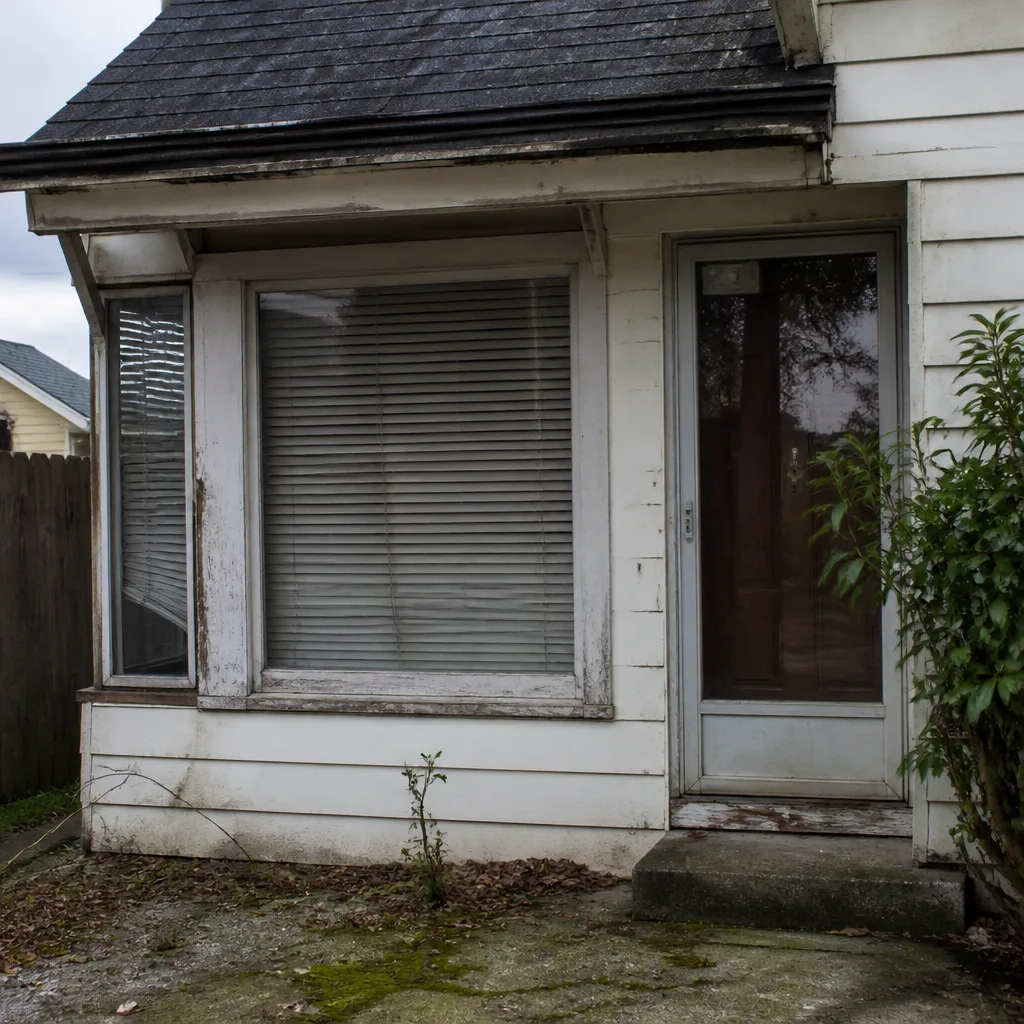 Before
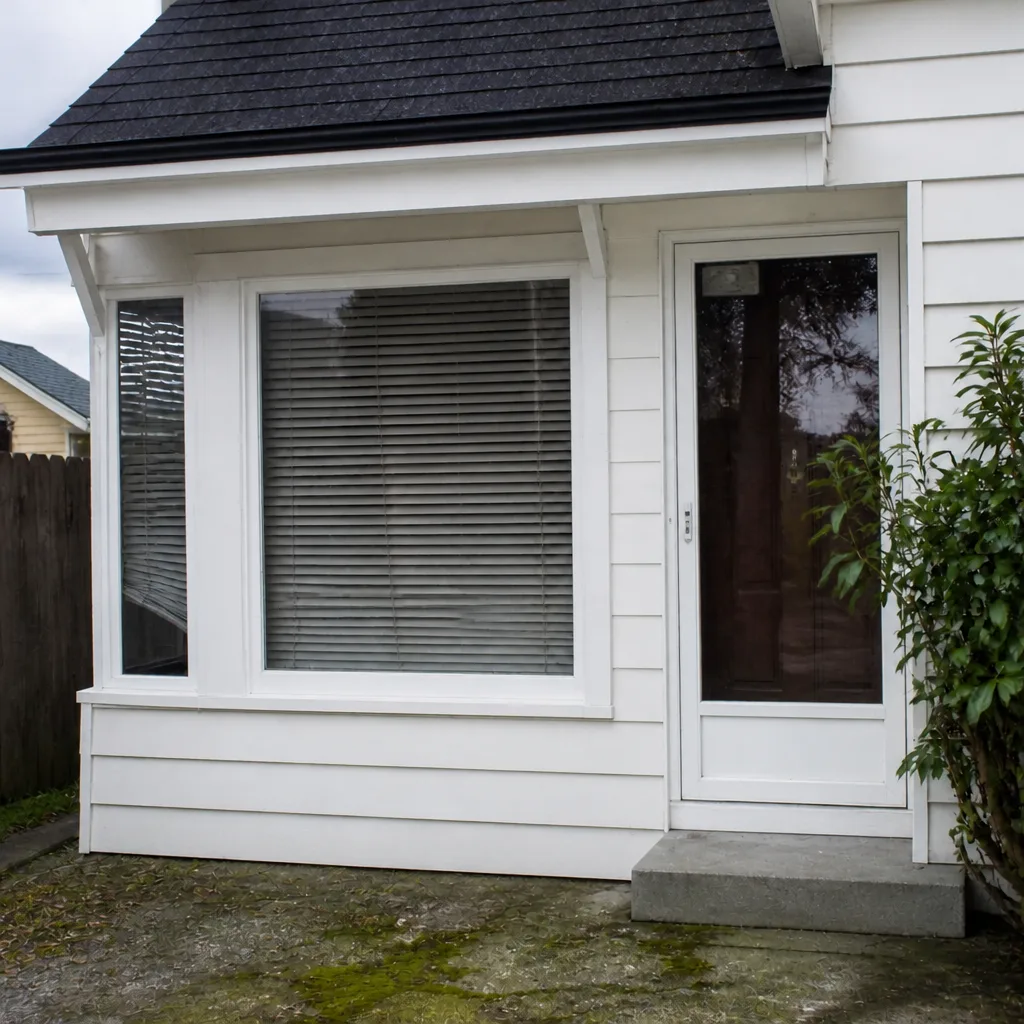 After
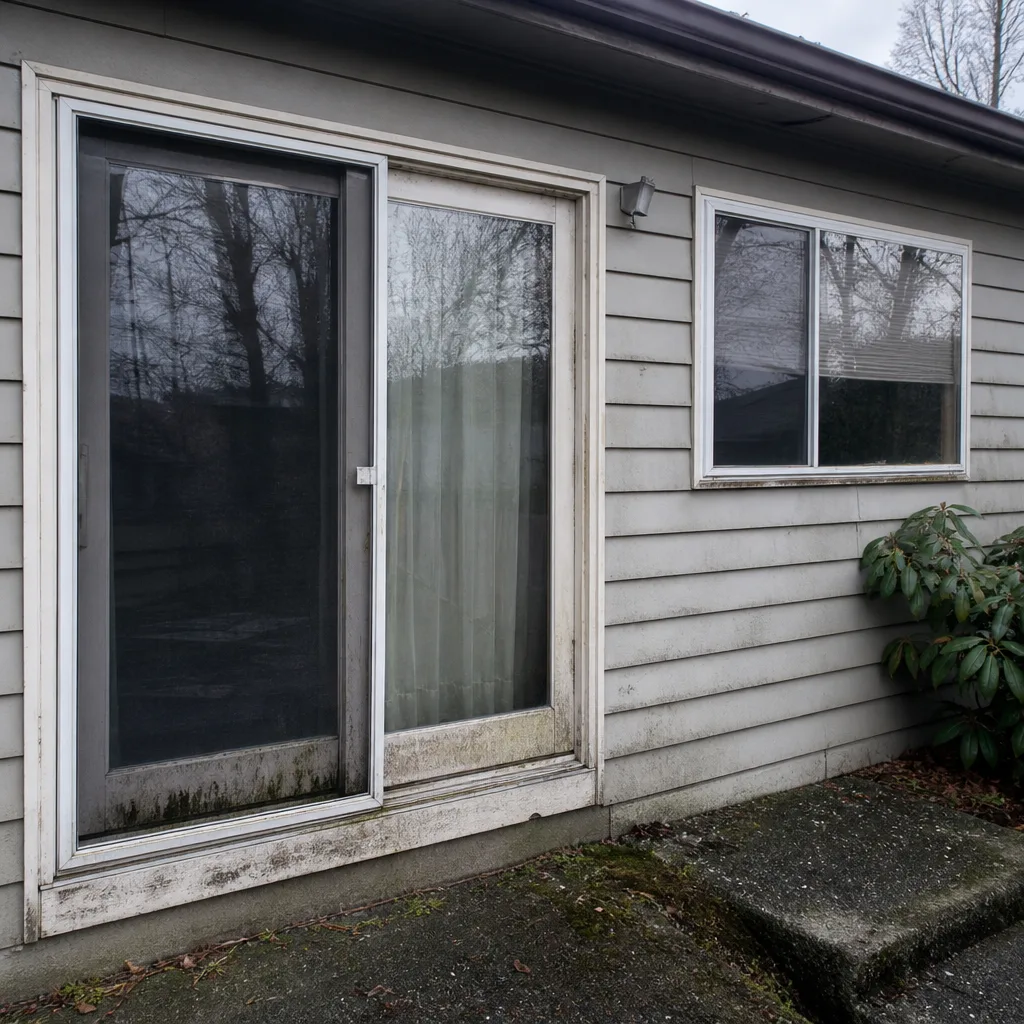 Before
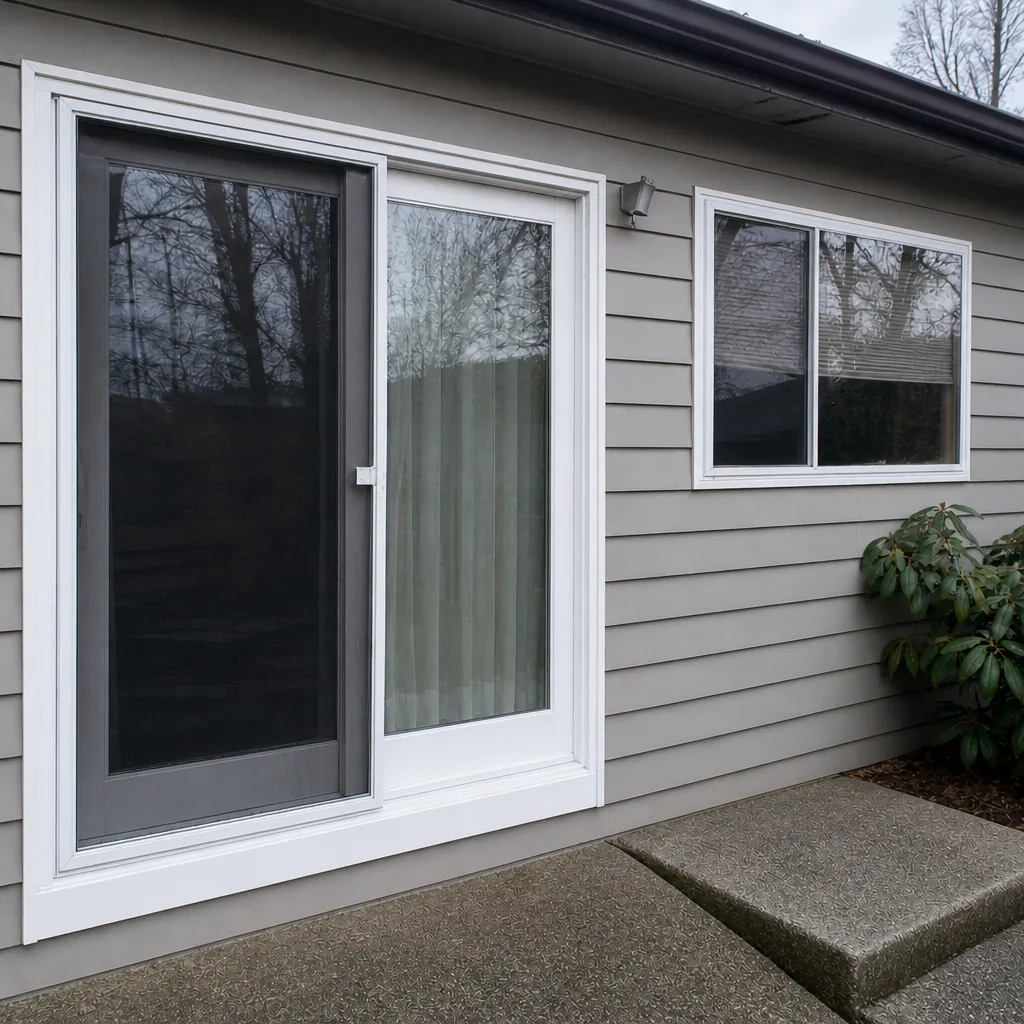 After
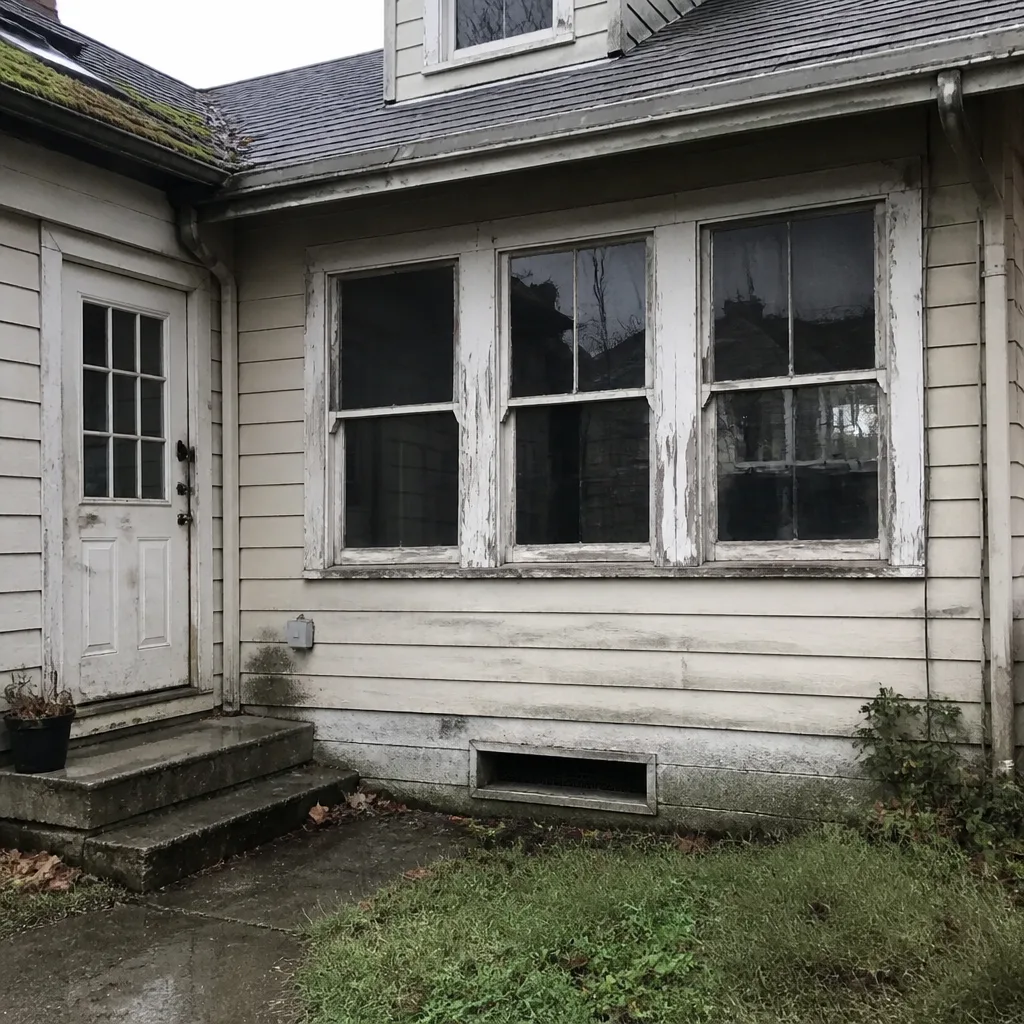 Before
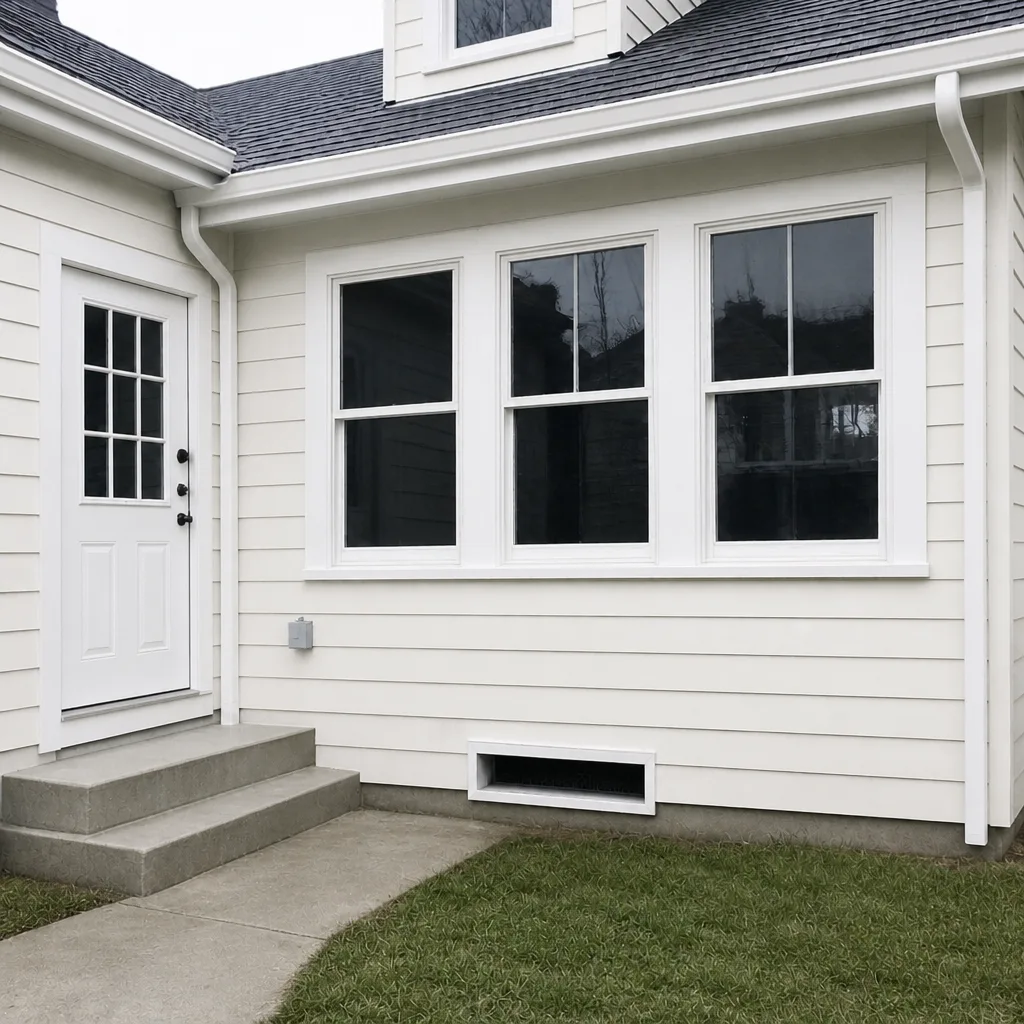 After
When to Call a Professional
Some resilience work is a homeowner job: checking seals, replacing weatherstripping, re-caulking, and running through the inspection protocol after an event. But there are clear situations where you should call in a professional. A door that suddenly won’t latch, a window sash that binds against the frame, cracked or foggy glazing, a sliding door that jumps the track – these are all signs of frame movement or seal failure that needs an expert diagnosis. After a significant seismic or wind event, any of those signs is worth having looked at even if the home still feels fine. And if you’re planning a replacement, the resilience conversation is much more productive with someone who can assess your home’s actual exposure rather than a sales rep reading a spec sheet.
Tacoma Window Replacement Pros offers free estimates in Tacoma – call (253) 295-7077. Our technicians have up to 10 years of experience, and we work windows and doors only, so the conversation stays focused on your exterior envelope.
Frequently Asked Questions
Not necessarily. Tacoma doesn’t experience Gulf Coast hurricane conditions, so the highest impact ratings are often unnecessary. That said, impact-rated options from manufacturers like PGT, CGI, ES Windows, and ECO Window Systems are worth pricing if your home has significant wind exposure or if you want the added resilience of laminated glass and stronger anchoring. Call (253) 295-7077 to talk through what your specific exposure actually requires.
Look for doors that no longer latch, sashes that bind, uneven gaps around the frame, and any fog or cracks in the glazing. Those are the visible signs of frame racking or seal failure. If you see any of them after a significant tremor, have a professional assess the openings – hidden damage to the anchoring is common and doesn’t show up until the next weather event. Call (253) 295-7077 to schedule an assessment.
Close windows and doors fully, replace worn weatherstripping and door sweeps, and run your HVAC with a filter rated for fine particles. Your door seals are usually the biggest gap. If your entry or sliding door seals are old, replacing them is the highest-value upgrade. Call (253) 295-7077 to discuss door sealing and air barrier options as part of an estimate.
Plywood cut to the opening and screwed into the structural framing around the window is the most secure temporary fix. Don’t screw into the window frame itself – that causes more damage than it prevents. If you can only reach the exterior, screw through the plywood into the wall studs, not the frame. And take photos first for insurance documentation.
Yes, in some cases. Replacing weatherstripping, sweeps, window locks, sliding door rollers, and exterior caulk all improve air sealing and wind performance on existing windows and doors. None of that turns an old window into a new one, and we don’t do glass or frame repairs – if the frame has moved or the sealed unit has failed, replacement is the answer. For window or door replacement in Tacoma, jobs are three openings minimum. Call (253) 295-7077 for a free estimate.
Fiberglass generally handles racking forces best because it flexes and returns rather than cracking, with quality vinyl and properly installed aluminum-clad close behind. But installation quality matters more than frame material. A well-anchored vinyl window will outperform a poorly installed fiberglass one. Call (253) 295-7077 to discuss what your home’s exposure calls for, and compare brands side by side before you commit.
The Bottom Line
Your windows and doors are part of your home’s emergency resilience system, not just its comfort system. In Tacoma, that means thinking about seismic racking, windstorm pressure, and wildfire smoke infiltration as one connected problem with one connected solution: the right frame, the right glazing, and the right sealing, installed with the right anchoring. The cheapest gain is maintenance – weatherstripping, sweeps, caulk, and inspections. The biggest gain is a planned replacement that matches product to your actual exposure. And the biggest mistake is overbuying ratings you’ll never test. Windows and doors only – it’s all we do, and that’s what makes the resilience conversation a focused one.
Contact
If you’re ready to talk about your home’s exterior envelope, call (253) 295-7077 for a free estimate from Tacoma Window Replacement Pros. We’ll compare options across our brand lineup, give you a written line-item quote with fixed pricing and no change orders, and keep the conversation on windows and doors. Whether you’re planning a full replacement or want an honest read on what your current windows and doors need, that call costs nothing.
Written by the team at Tacoma Window Replacement Pros.