Last updated November 25, 2026
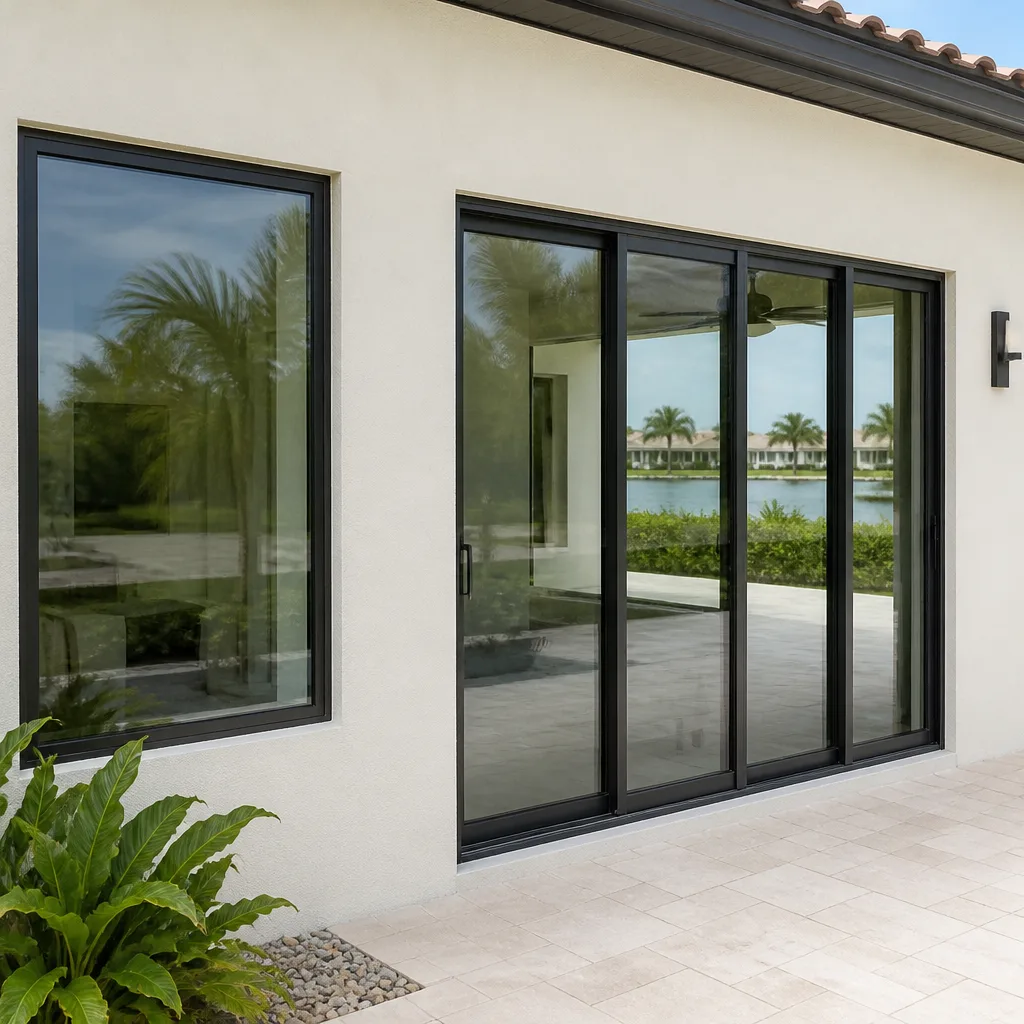
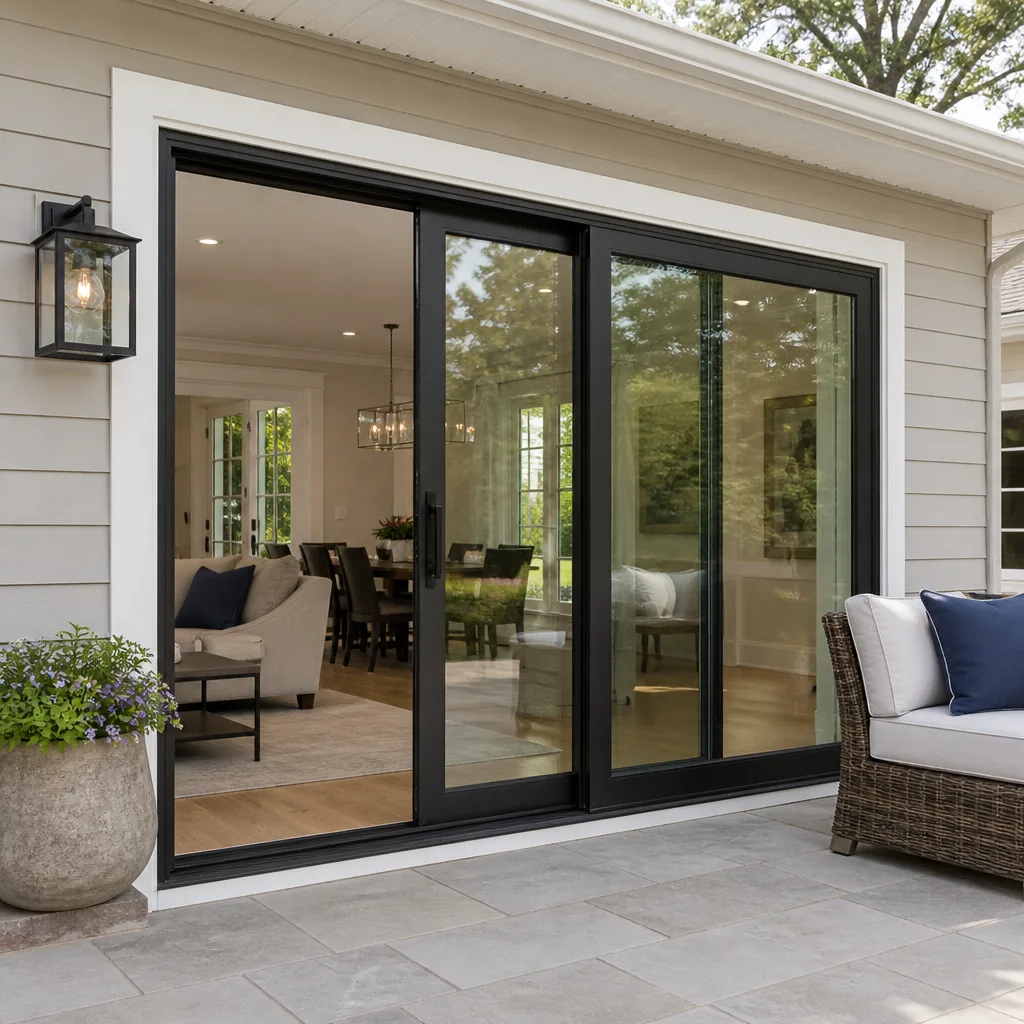 Sliding glass doors
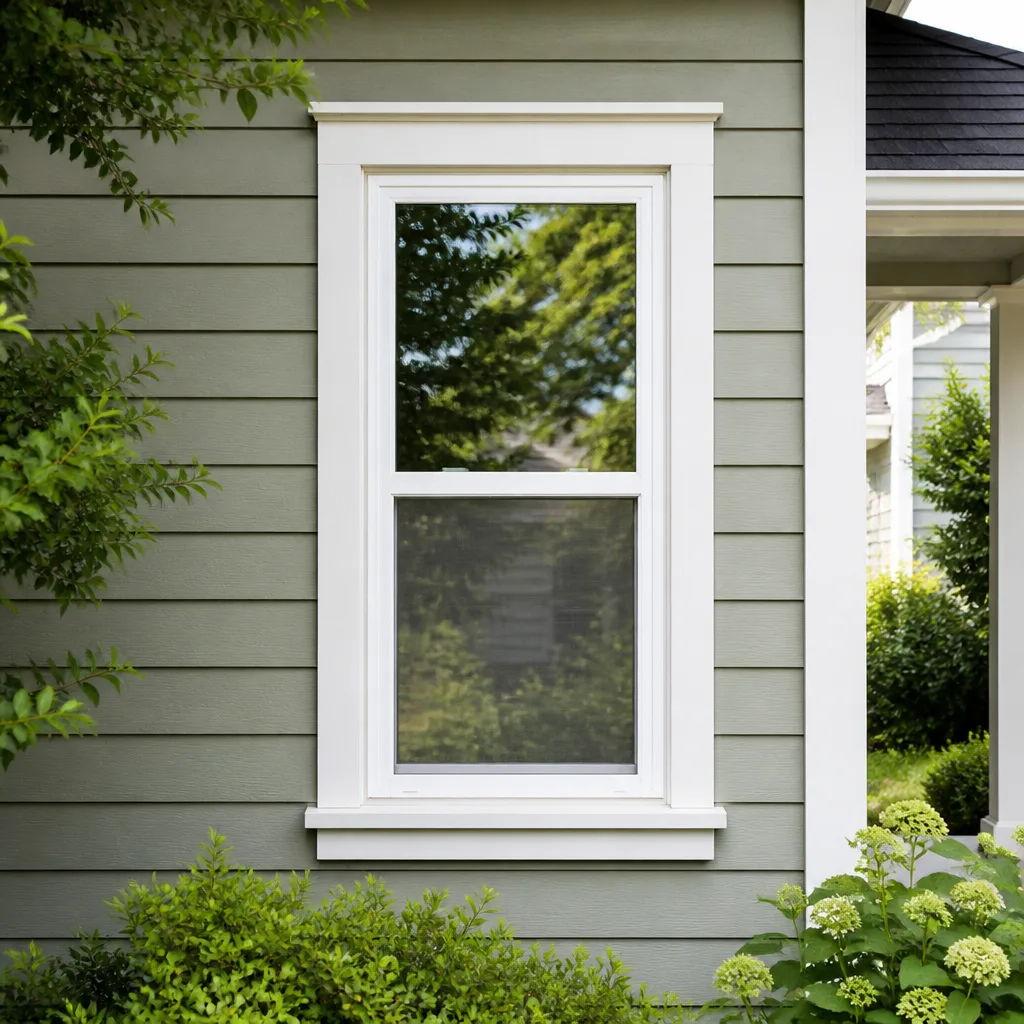 Single hung
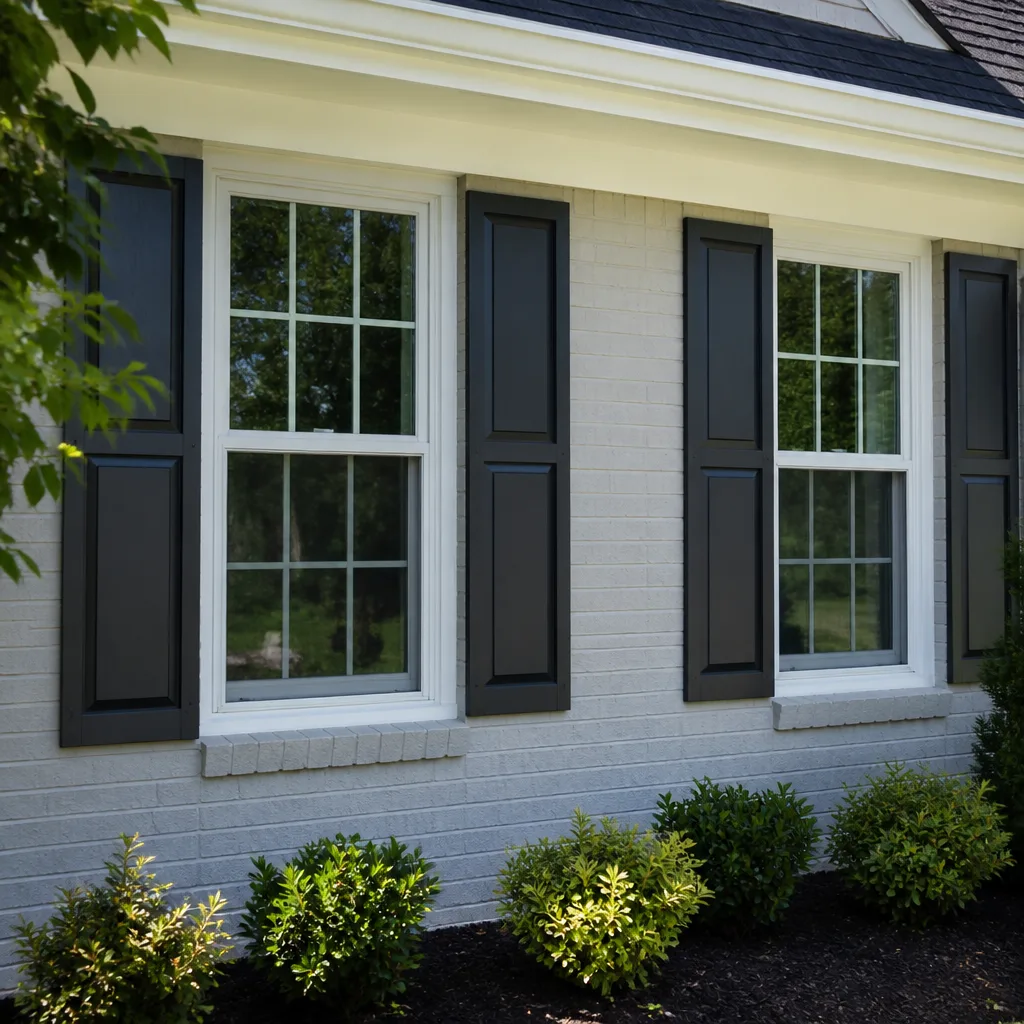 Double hung
 Horizontal roller
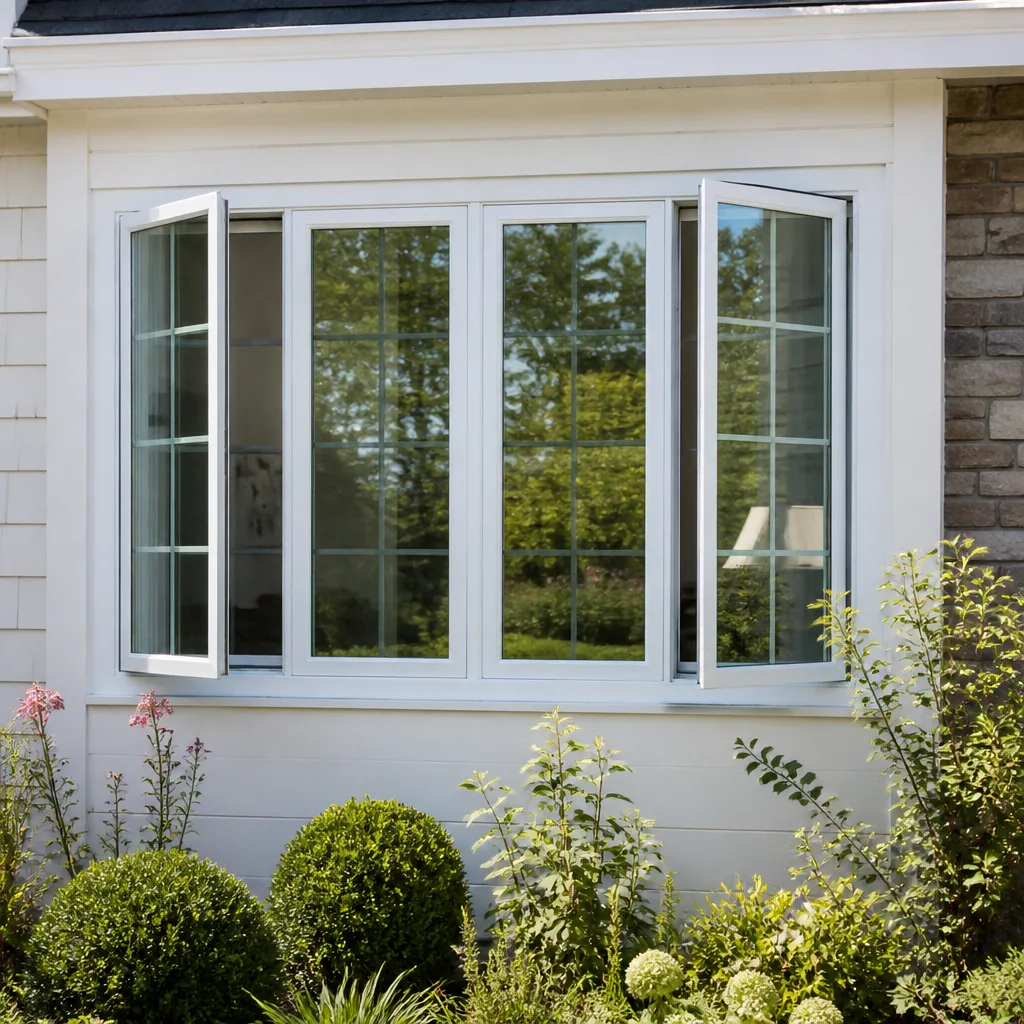 Casement
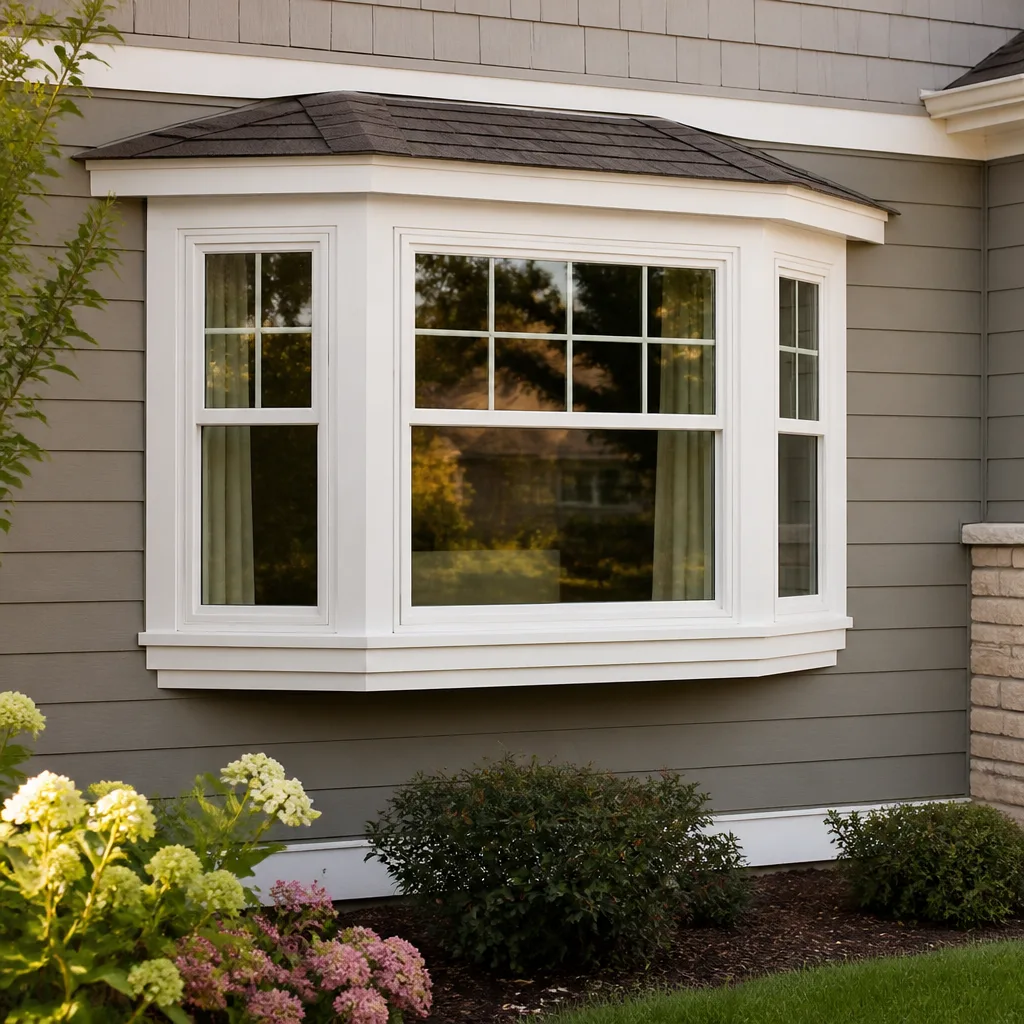 Bay & bow
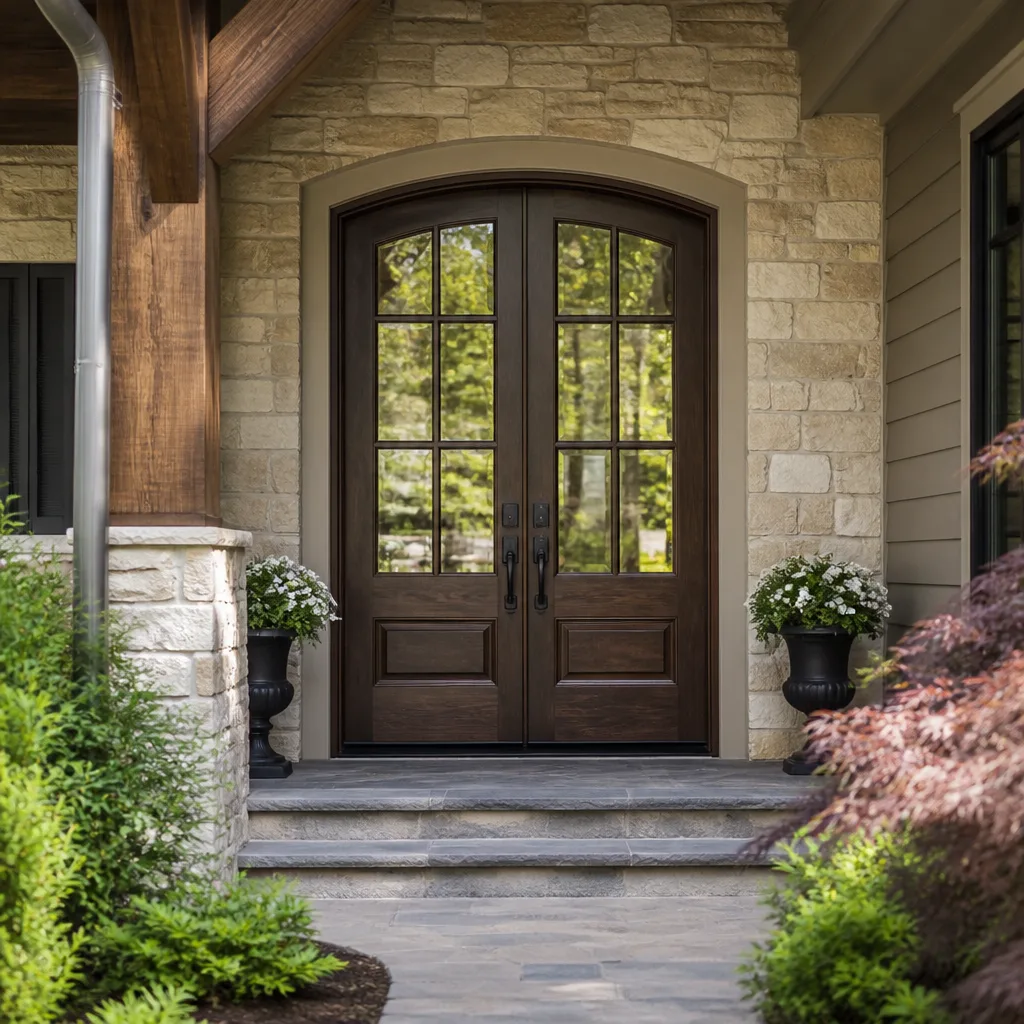 Entry doors
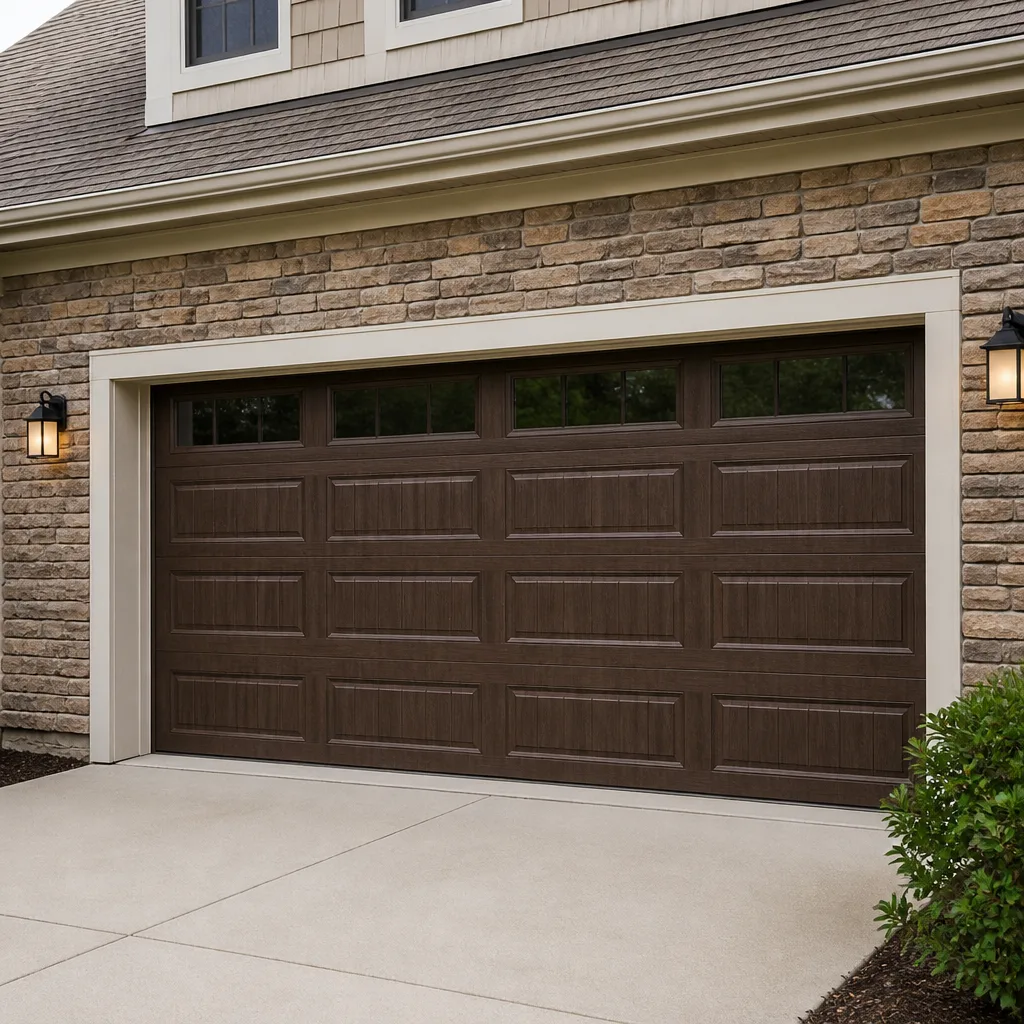 Impact garage doors
 PGT
 CGI
Free in-home measure and quote - PGT, CGI and CWS impact lines compared on your actual openings, style by style
Get your free estimateChoosing the Right Windows & Doors Brand: A Buyer’s Guide for Tacoma
Milgard, Andersen, Pella and Marvin all make good windows. They are not interchangeable for every Tacoma home and every budget, and any dealer who tells you their brand is best without asking about your wall construction and exposure orientation is selling, not advising. Most homeowners shop windows the way they shop cars: by badge. That’s the wrong starting point. In Tacoma’s wet, mild, wind-funneled climate, a handful of measurable specs separate the products that still seal and slide at year seven from the ones that looked identical on the showroom floor. This guide gives you a spec-first framework – frame thermal performance, seal warranty terms, and local service infrastructure – instead of a name-first one, so you can compare brands side by side before you commit.
Styles & brands we work with
- Single hung
- Double hung
- Horizontal roller
- Casement
- Bay & bow
- Sliding glass doors
- Entry doors
- Impact garage doors
- PGT
- CGI
Quick Answer
The best window brand for a Tacoma home is the one whose series, frame material and warranty service network match your wall construction, your exposure and your home’s value – not the one with the biggest ad budget. In practice, that means shopping by series within a brand (not the brand alone), confirming the maker has local service reach in Pierce County, and treating your entry and patio doors as a separate product decision from your windows. Eight brands. One specialist. The job is matching them to you.
Table of Contents
- Why Brand Loyalty Misses the Point in Tacoma’s Climate
- The Three Specs That Actually Separate Brands Here
- Matching Brand Tier to Home Value
- The Warranty Service Question: Who Can Actually Reach You
- Why the Same Brand’s Series Varies So Much
- Impact-Rated vs. Standard Replacement Lines
- Door Brands Are a Different Decision Than Window Brands
- Common Mistakes to Avoid
- Frequently Asked Questions
Why Brand Loyalty Misses the Point in Tacoma’s Climate
Windows fail from the outside in. In Tacoma, that outside is a specific combination: months of wind-driven rain, narrow temperature swings that rarely stress a frame with extreme cold, and exposure that changes block by block as you move from the flats near the tideflats up into the hills. Brand reputation was earned somewhere else – often in a dry climate or a cold climate that tests different things than ours does. The badge tells you who built it. The spec sheet tells you whether it will hold up on your particular wall, facing your particular weather.
We’ve walked into a lot of Tacoma homes where a well-known national brand was installed and is now the problem, and homes where a less famous regional line is performing beautifully after years of Puget Sound weather. The difference is almost never the logo on the glass. It’s the frame material, the seal design, and whether the product line was engineered for this kind of moisture load.
So the question to ask isn’t “which brand is best?” It’s “which series, in which frame material, from which maker, is right for this house?” A brand is a family of products, and the family can span entry-level vinyl to premium fiberglass. Ask a dealer which one they’re quoting you and why. If they can’t answer, keep shopping.
When you’re ready to compare actual product options rather than marketing claims, Tacoma Window Replacement Pros carries a curated multi-brand lineup specifically so homeowners aren’t locked into one manufacturer’s tier. That’s the whole reason we stock the range we do.
The Three Specs That Actually Separate Brands Here
Here’s the direct answer: in a wet climate like Tacoma’s, three measurable specs do most of the separating – frame thermal performance, seal warranty terms, and local service network proximity. Everything else is secondary. Compare brands on these three and the field narrows fast.
1. Frame thermal performance
Frame material drives how a window handles condensation and heat loss in a damp climate. Vinyl, fiberglass, wood-clad and aluminum each behave differently. You don’t need to memorize R-values (and we won’t quote them from memory). What you need to know is which frame material suits your home’s construction and how the maker builds the thermal break into its frame. A window that sweats on the inside every winter in a Tacoma home is usually telling you about frame performance, not the glass.
2. Seal and warranty terms
The seal is where wet-climate failure shows up first – fogging between panes, water tracking, draft at the sash. Read the warranty’s seal language closely. Some brands pro-rate coverage steeply after the first few years; others hold full coverage longer. Ask what “lifetime” actually means in the document, line by line.
3. Service network proximity
A warranty is only as good as the ability to honor it quickly. Some brands have service infrastructure that reaches Pierce County directly. Others require components shipped in and technicians scheduled from out of area, which turns a small seal failure into a long wait. This is the spec almost nobody asks about at purchase and everyone wishes they had at year five.
- Frame performance: match material to wall construction and interior condensation behavior.
- Seal warranty: read the pro-rating schedule, not just the headline term.
- Service reach: confirm who actually shows up when the seal fails, and how fast.
Line these three up for any brand and you’ll know more than most people who bought windows in Tacoma last year.
Matching Brand Tier to Home Value
Putting a premium fiberglass product in a home that doesn’t support the resale ROI is as poor a decision as putting entry-level vinyl in a high-exposure waterfront home. This is the honest heart of the guide. Windows aren’t an investment that pays back dollar-for-dollar everywhere. On some Tacoma homes, a mid-tier vinyl line delivers most of the comfort and weather performance at a fraction of the price. On others, the premium tier is the right call because the exposure or the home’s value justifies it.
Think about it in three brackets:
- Entry and mid-tier: well-suited to homes where the goal is reliable weather performance, better comfort and clean appearance without premium pricing. The brands in this range – CGI, CWS, ViewLux and similar – cover a lot of Tacoma housing stock capably.
- Premium replacement: the right fit where the home’s value and the buyer’s priorities justify the durability and appearance upgrade.
- Impact and high-exposure: warranted on homes facing the strongest wind and rain exposure, or where the owner wants storm resilience built in from the start.
The mistake isn’t buying premium. The mistake is buying premium for a house that will never return the difference, or buying entry-level for a house and exposure that will punish it. A good specialist asks about your home before recommending a tier. If a dealer only carries one brand, they can only ever recommend that brand’s tier – which is exactly why an eight-brand portfolio matters when you’re shopping in Tacoma.
This is also where window replacement planning starts to matter: the scope of the project (how many openings, which rooms, which exposure) shapes which tier makes sense overall. Get the scope right and the brand decision gets simpler.
The Warranty Service Question: Who Can Actually Reach You
The single most overlooked question at purchase is: when something goes wrong, who comes? In windows, “something goes wrong” usually means a failed seal, a fogged pane, or a hardware issue on a slider. Those happen years after the sale. The warranty document is a promise. The service network is whether the promise gets kept on your timeline or theirs.
There are two broad situations in the Tacoma market:
- Brands with service infrastructure reaching Pierce County: failures get addressed by technicians who can reasonably get to you, with parts and process aligned to the local market.
- Brands requiring shipped components and out-of-area scheduling: a seal failure becomes a logistics project, and the wait can stack up.
Ask directly at the estimate stage. “If this window’s seal fails in year six, who comes out, and roughly how quickly?” The answer separates brands that support their products here from brands that support their products somewhere else. A well-known name with poor local reach can be a worse practical choice than a slightly less famous brand with real Pierce County coverage.
Warranty terms also differ by what’s covered. Frame, glass, seal, hardware and labor are often treated differently, and the pro-rating schedule on the seal is worth reading in full before you sign anything. The written estimate and warranty documents set the final terms, so get them in writing.
Why the Same Brand’s Series Varies So Much
A brand is not a product. Walk into any showroom and the same manufacturer’s name appears on an entry-level series, a mid-tier series and a premium series that share a logo and almost nothing else. The brand’s reputation was built on one series, usually a good one. The window in the quote may be a different series entirely, made to a different price point with different components.
This is the trap. Homeowners compare brand to brand when they should be comparing series to series. Two windows with the same brand name can differ dramatically in frame construction, glazing options, and how they perform in a wet climate. The series, not the brand, is what you’re actually buying.
How to identify which series competes at your price point:
- Ask for the exact series name, not just the brand. “We use a well-known brand” is not a product specification.
- Confirm the frame material for that series. Entry-level and premium lines within a brand often use different materials.
- Check the warranty terms for that specific series. Coverage can vary line to line.
- Compare the series you’re quoted against other brands’ series in the same tier. This is the real apples-to-apples comparison.
When we quote a Tacoma project, the series name goes on the estimate so you can compare it against another brand’s series at the same price. That’s the level of specificity brand shopping needs but rarely gets. Our technicians have up to 10 years of experience installing across these series, and the differences in the field are real.
Impact-Rated vs. Standard Replacement Lines
Impact-rated windows are engineered to resist wind-borne debris and storm pressure. Standard replacement lines are built for weather performance and energy efficiency but not storm-impact requirements. Whether you need impact-rated depends on your exposure and what you want from the product, not on a one-size answer. Tacoma’s wind exposure varies enough across the city that two neighborhoods can warrant different conversations.
What’s useful to know: we carry both impact-rated window lines (PGT, CGI, ES Windows and ECO Window Systems) and mainstream replacement brands, so the decision stays about your home rather than about what a single manufacturer happens to offer. That matters when one side of your house faces the strongest weather and the other doesn’t – you don’t need every opening to be the same product if the exposures differ.
Impact-rated glass isn’t just about storms. It adds a layer of durability and, on some homes, changes the insurance and code conversation. If your home sits where wind and driven rain load hardest, ask specifically whether an impact-rated line from PGT, CGI or ES Windows belongs in the quote. A specialist should be able to explain what a standard line covers and what the impact-rated upgrade adds, then let you decide based on your home – not pressure you toward the most expensive option on the wall.
For homeowners weighing that upgrade as part of a broader project, our guide to window installation walks through how the scope and product selection fit together on a real Tacoma install.
Door Brands Are a Different Decision Than Window Brands
Your preferred window brand may not be the right call for your entry door or patio door, and that’s fine – they’re different product categories built by different specialists. Windows and doors share a wall, a climate and a look, but the engineering, the warranty and the best-in-class brands diverge. Treating them as one decision usually means compromising one for the other.
Entry doors are their own market. Therma-Tru is one of North America’s most recognized door brands for a reason – it’s engineered specifically for entry doors, with the security, insulation and finish options that matter on a front door. That’s a different consideration from your window series. For sliding patio doors, the technical demands are different again: track design, panel weight, and how the door seals against wind-driven rain are the specs that decide performance. Sliding door replacement is one of the most commonly deferred upgrades and one of the most technically specific, which is why it deserves its own brand conversation.
Practically, this is why we handle windows, entry doors and sliding doors together. A homeowner can coordinate their entire exterior envelope – windows, sliding doors and entry doors – through one specialist, so the products are matched to each other and to the home rather than purchased from three different contractors who never talk. Door replacement gets the same brand-by-brand comparison your windows do, so the whole exterior holds together visually and functionally.
So when you’re comparing window brands, keep the door question separate. Ask a different set of questions for the door: who builds it as their specialty, what the warranty covers, and whether it coordinates with the window series you’ve chosen.
Common Mistakes to Avoid
- Buying by brand name alone. Two windows with the same badge can be built to very different standards. Compare the series, not the logo.
- Not asking who honors the warranty locally. A great warranty with no Pierce County service reach is a slow promise. Ask who actually shows up and how quickly.
- Putting premium product in a home that won’t return the ROI. Tier should match the home and exposure, not the sales pitch.
- Assuming one brand covers every opening. Your windows, sliding doors and entry door may each call for a different specialist’s product.
- Shopping with a dealer who carries only one brand. A single-brand dealer can only recommend their brand’s tier, which is not the same as recommending what’s right for your Tacoma home.
- Skipping the impact-rated question on high-exposure walls. If the strongest weather hits one side of your house, that side may warrant a different product than the sheltered side.
- Not getting the series and warranty terms in writing. The written estimate and the warranty document set the final terms. Anything unwritten is a verbal wish.
When to Call a Professional
Call a professional when you’ve moved past “should I replace these?” to “which product and which installer do I trust?” That’s a different stage, and it’s where a specialist earns their keep. Reach out when you’re comparing brand tiers and want a straight read on which series suits your home and exposure; when you have a failed seal or fogged pane and need to know whether a replacement is warranted; when you’re replacing a sliding door and want the track and sealing specs compared across brands; or when you want windows, entry doors and sliding doors matched as one exterior package rather than pieced together from separate contractors.
Windows and doors only – it’s all we do, so the whole conversation stays in-lane. A good specialist puts the series names, warranty terms and service reach in front of you in writing and lets you decide. We don’t do repairs and we don’t upsell into roofing or remodeling. We handle replacement and installation projects of three openings or more, with free estimates and written, fixed-price quotes. In Tacoma, Tacoma Window Replacement Pros offers free estimates in Tacoma – call (253) 295-7077 to schedule yours.
Frequently Asked Questions
There’s no single best window brand for every Tacoma home – the right one is the series that matches your wall construction, exposure and home value. Shopping by series rather than brand, and prioritizing seal warranty terms and local service reach, matters more than the badge. Call (253) 295-7077 for a free estimate that puts specific series and prices in front of you.
Because brands build entry-level, mid-tier and premium series that share a name but not components, frame materials or warranty terms. The brand’s reputation is often built on one series, while the one in your quote may be built to a different price point. Always ask for the exact series name and compare series to series at your price point – then call (253) 295-7077 for an exact quote, free of charge.
That depends on your home’s exposure – homes facing the strongest wind and driven-rain load benefit most from impact-rated lines like PGT, CGI, ES Windows and ECO Window Systems. Homes with more sheltered exposure may do fine with mainstream replacement lines. We carry both so the decision stays about your home. Call (253) 295-7077 to talk through your exposure.
Not necessarily – door brands are a separate specialty, which is why homeowners often pair a window series with a dedicated door brand like Therma-Tru. The goal is a coordinated exterior, not a single-brand rule. Sliding doors and entry doors each have their own best-in-tier options. Call (253) 295-7077 and we’ll match the whole package, estimates are free.
Ask who physically comes out when the seal fails, and roughly how long they’ll take to get there. Some brands have service infrastructure reaching Pierce County; others ship components and schedule technicians from out of area. Read the seal warranty’s pro-rating schedule before you commit – then call (253) 295-7077 for a written quote with terms in writing.
Sometimes, sometimes not – it depends on whether the home’s value and exposure support the return. Premium product in a home that won’t return the ROI is as poor a choice as entry-level vinyl in a high-exposure home. The right tier is the one that fits the house. Call (253) 295-7077 for an honest, free estimate that matches tier to your home.
The Bottom Line
Stop shopping brands and start shopping specs. In Tacoma’s wet, wind-varied climate, three things separate windows that hold up from windows that look the same at purchase and diverge by year seven: frame thermal performance, seal warranty terms, and how close the brand’s service network actually reaches Pierce County. Compare series to series, not logo to logo. Match the product tier to your home and exposure, not to the pitch. And keep the door decision separate from the window decision – the best entry and sliding door brands are different products with different engineering. Buy the window that’s right for your Tacoma home, not just the one that’s easiest to sell you.
Ready to compare brands side by side before you commit? Call (253) 295-7077 for a free estimate with specific series, prices and warranty terms in writing. Windows and doors only, three openings or more, fixed pricing and no change orders.
Written by the team at Tacoma Window Replacement Pros.
See the difference
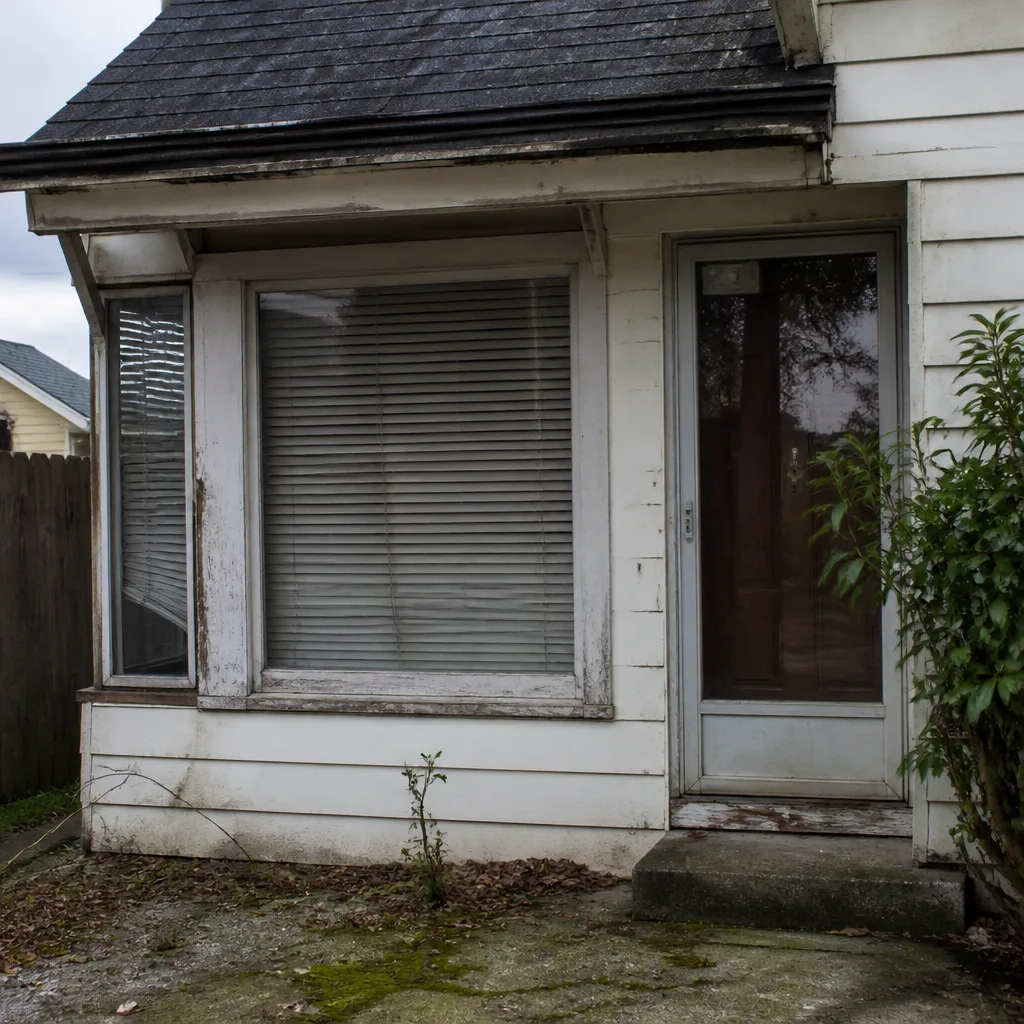 Before
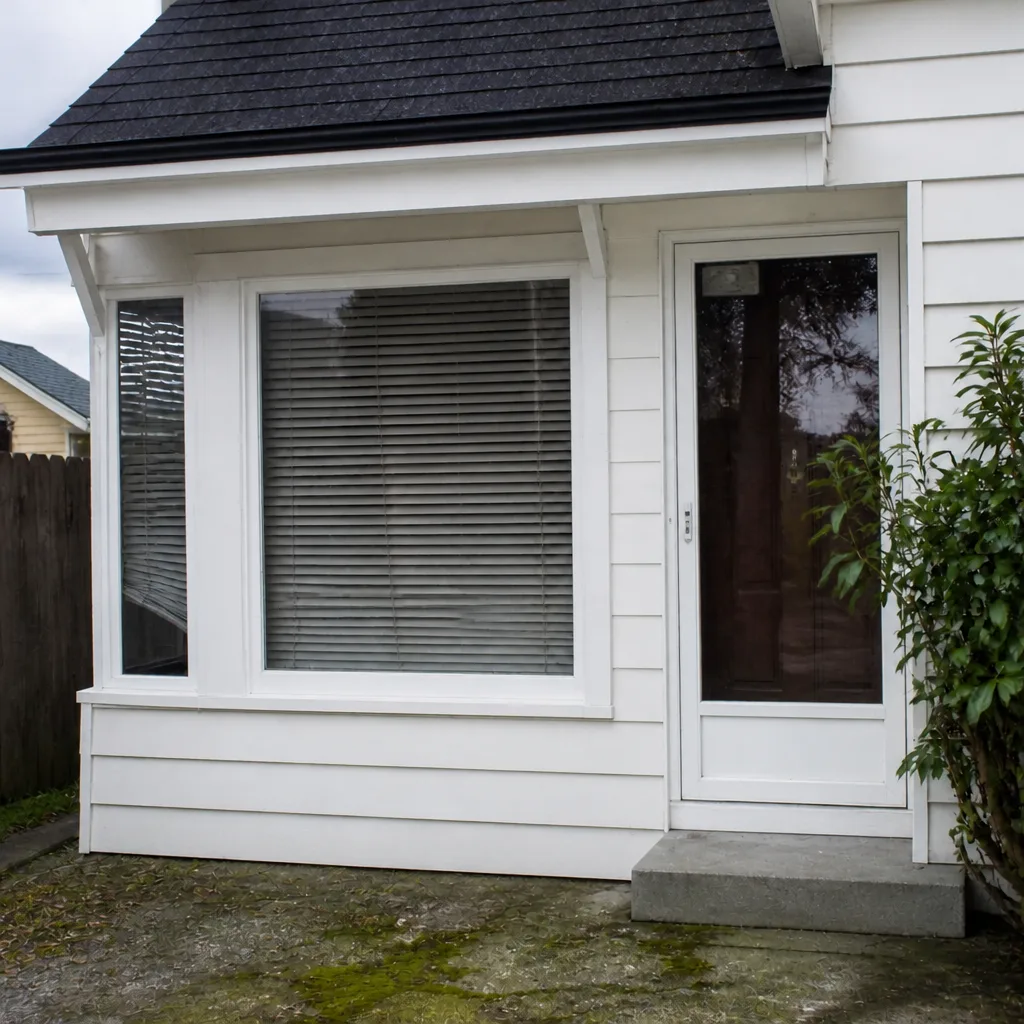 After
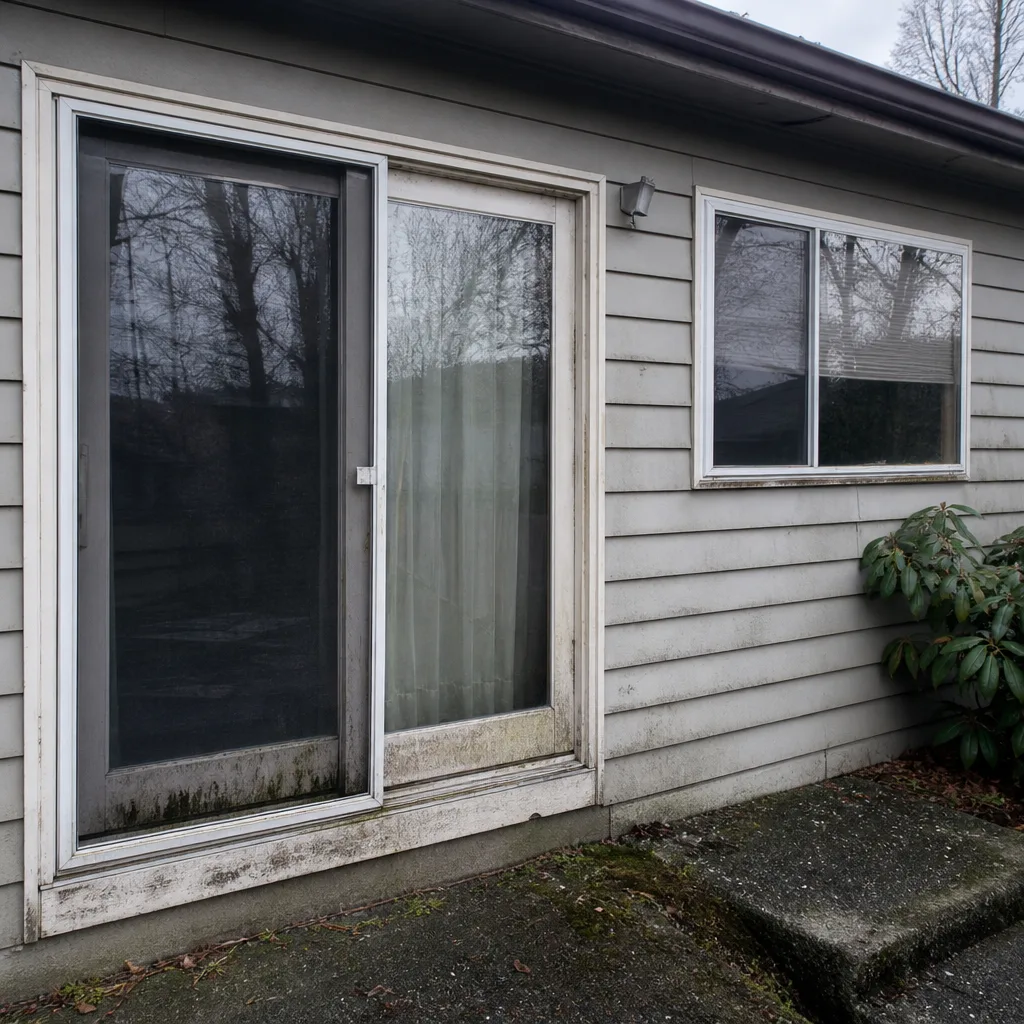 Before
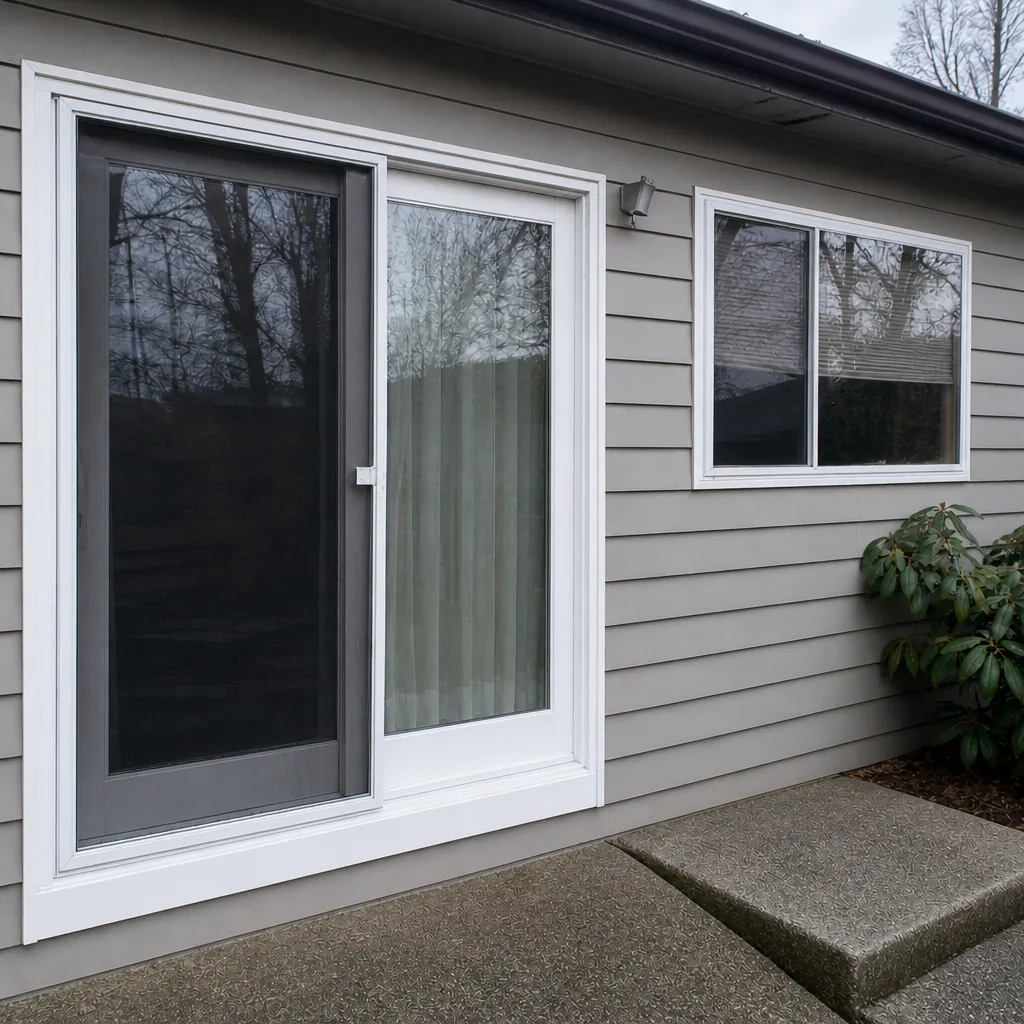 After
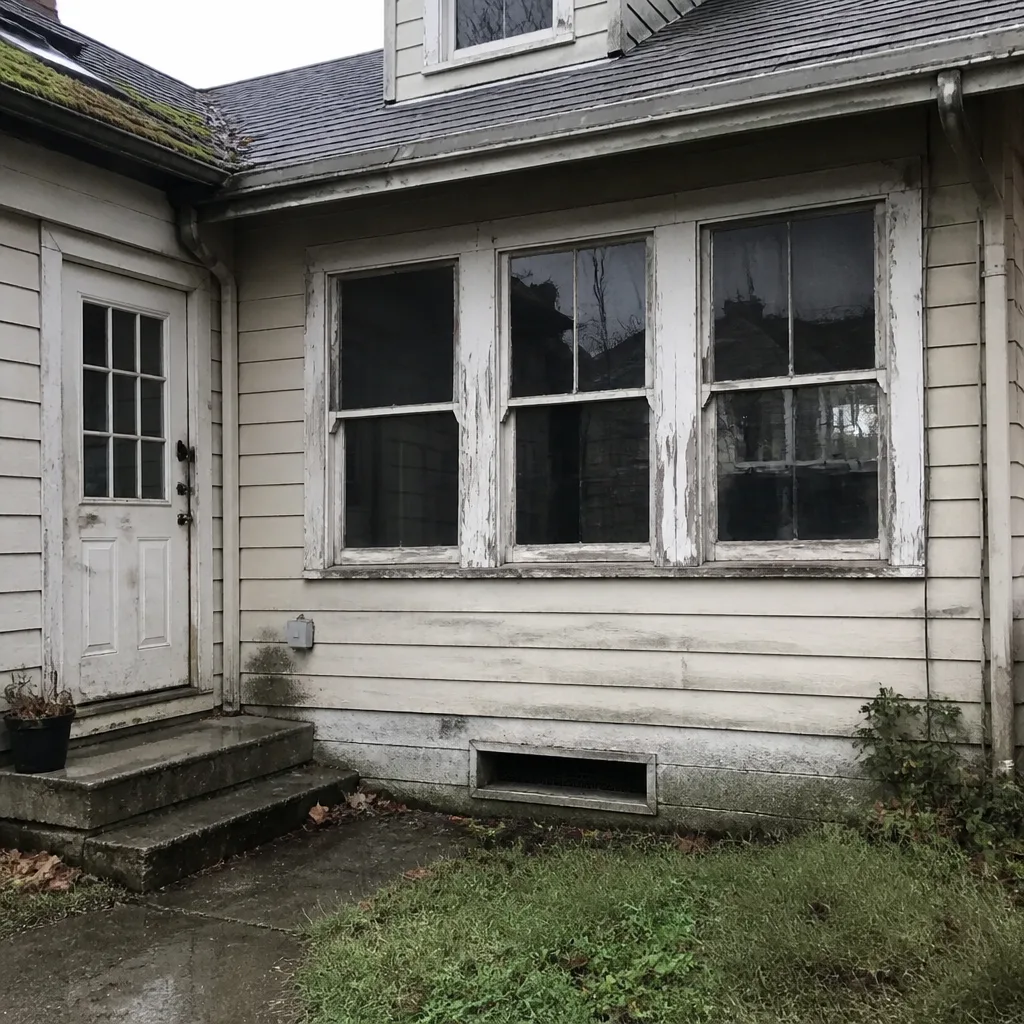 Before
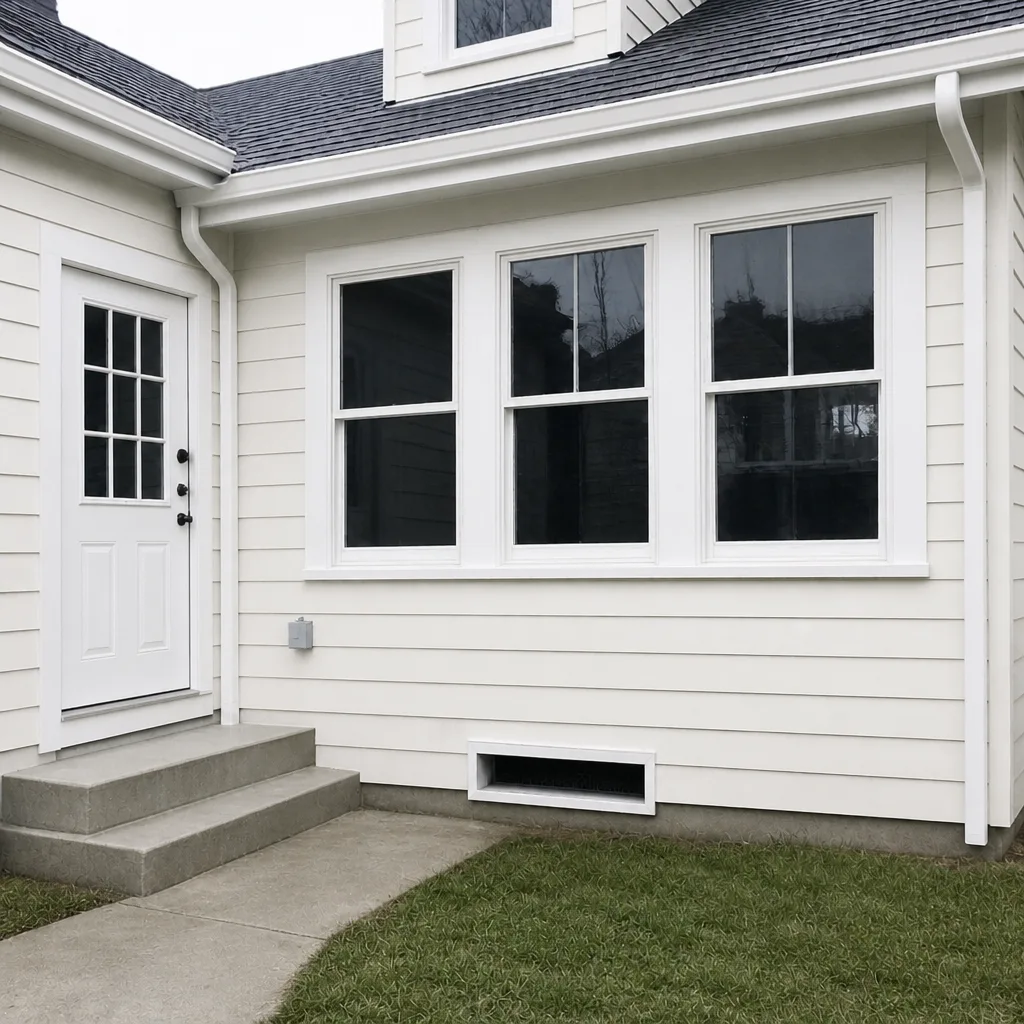 After