Last updated November 25, 2026
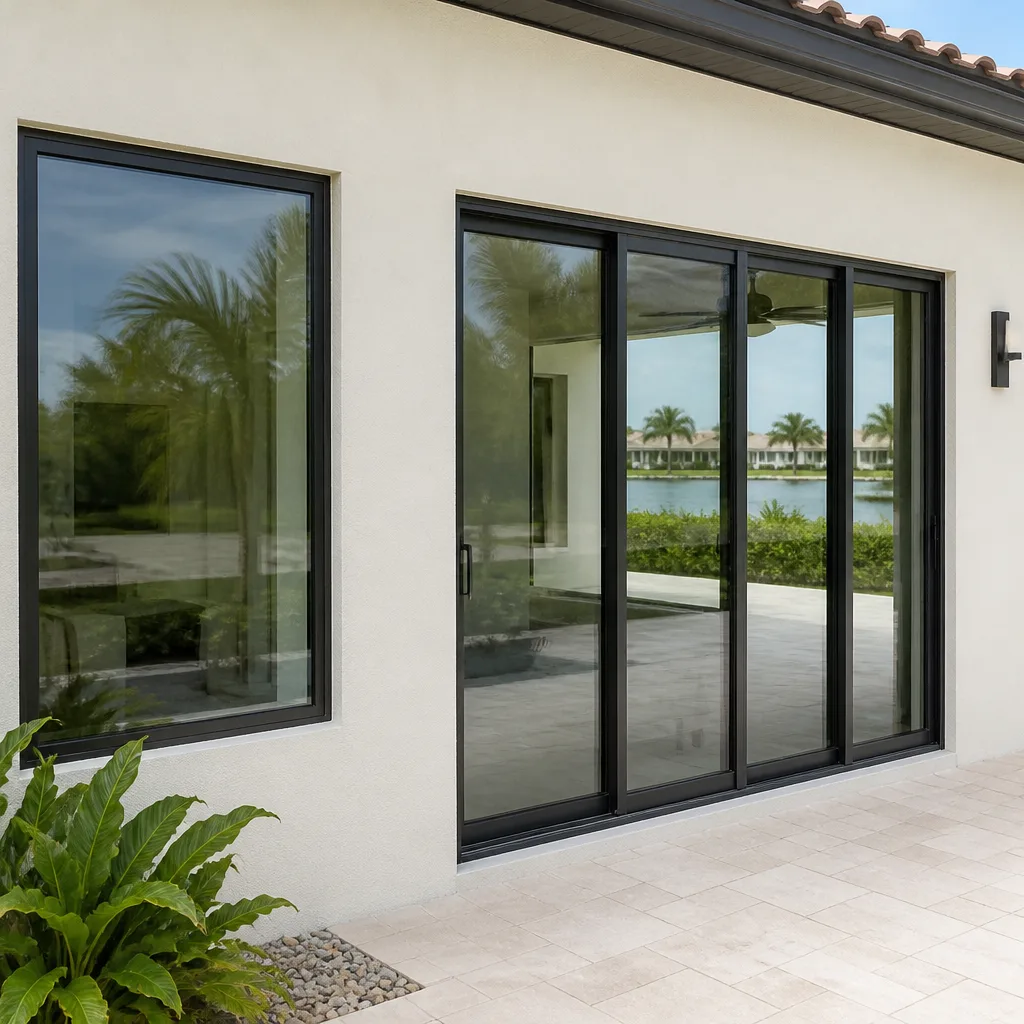
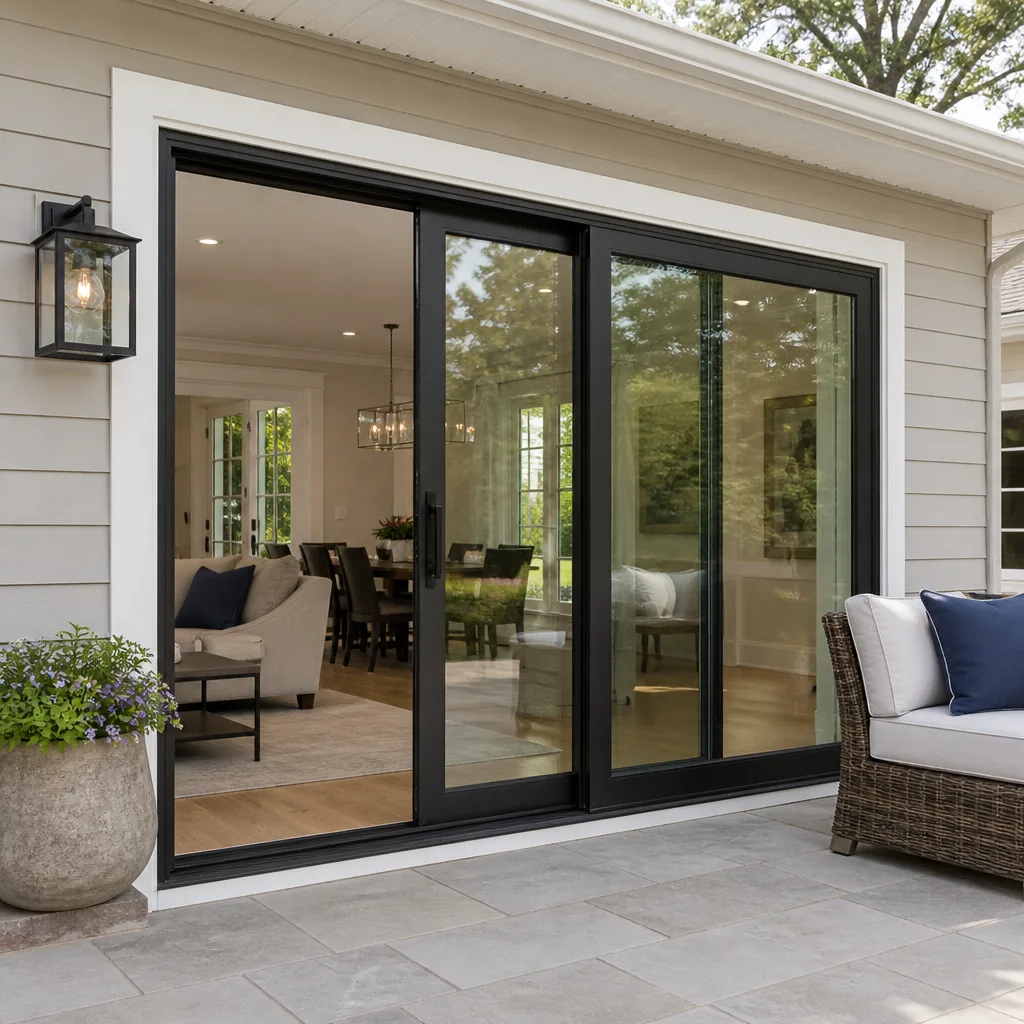 Sliding glass doors
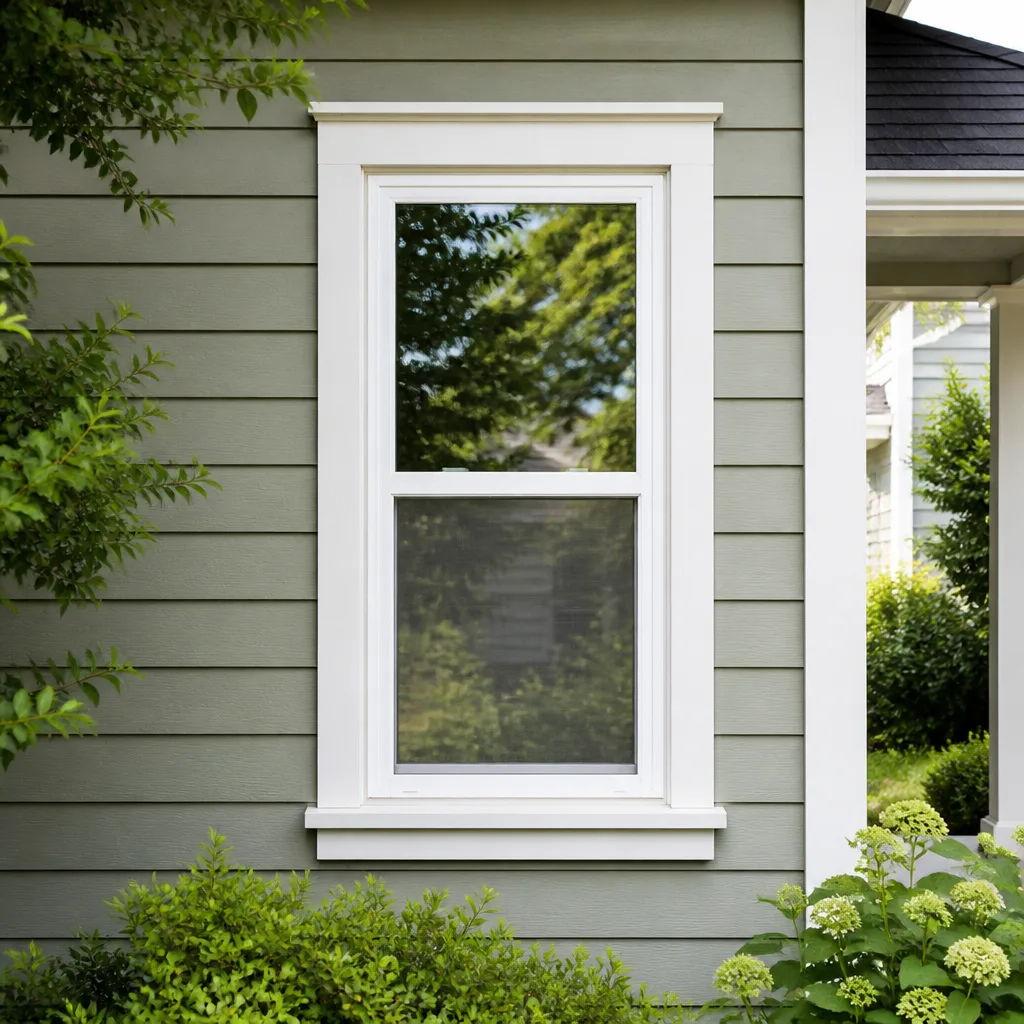 Single hung
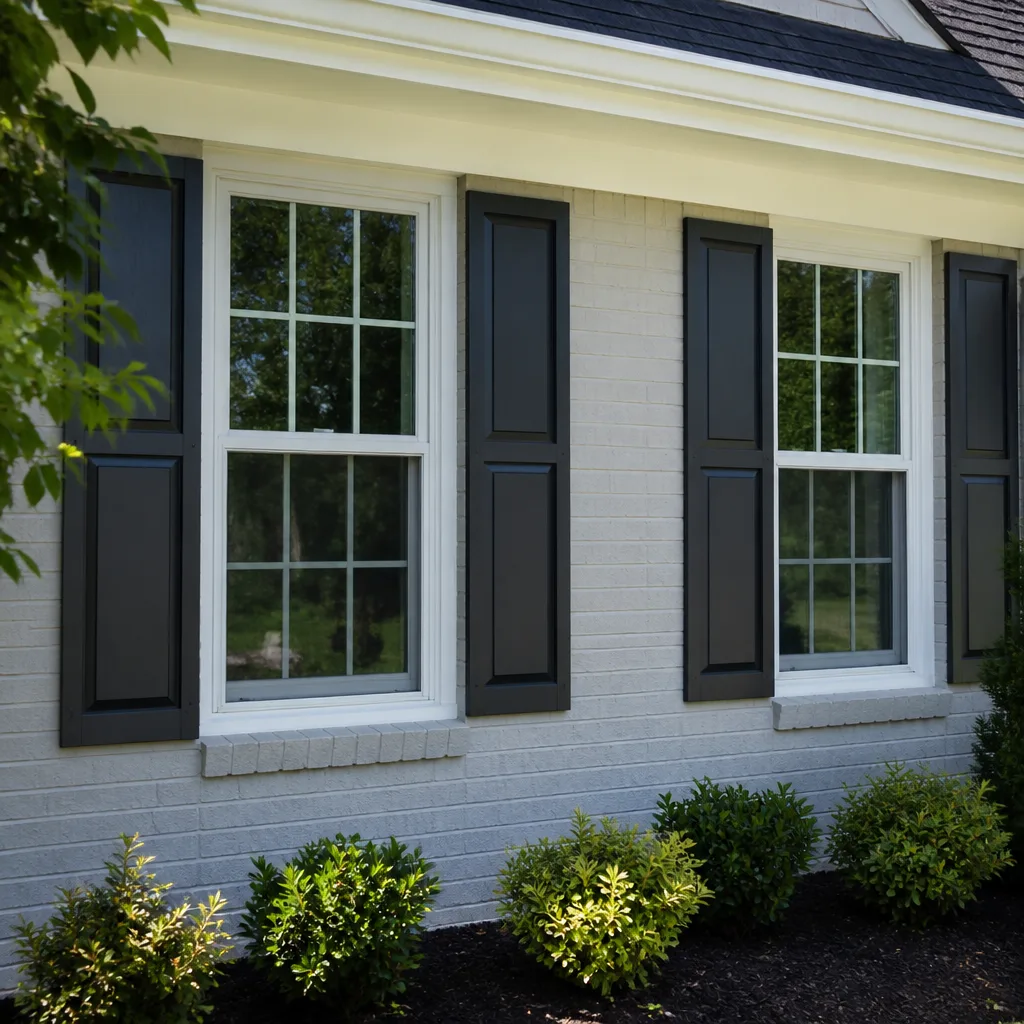 Double hung
 Horizontal roller
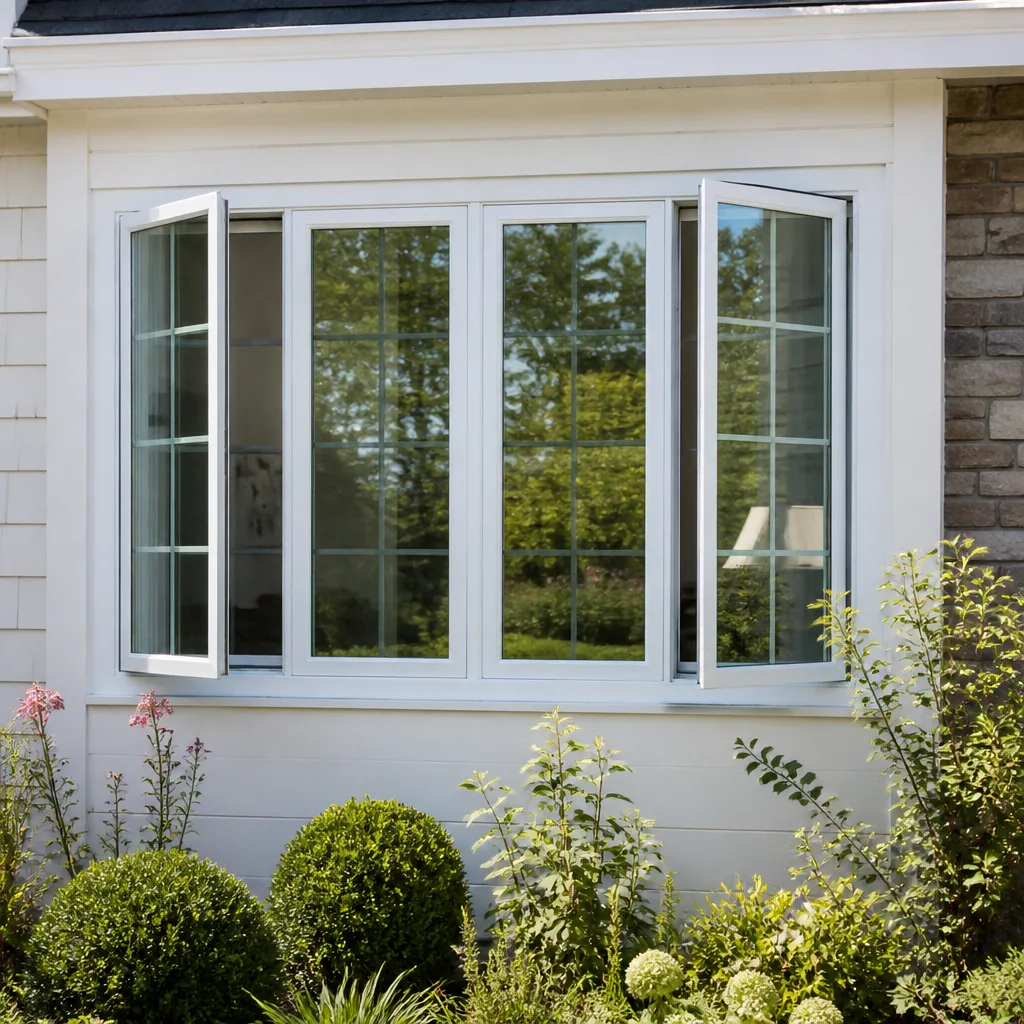 Casement
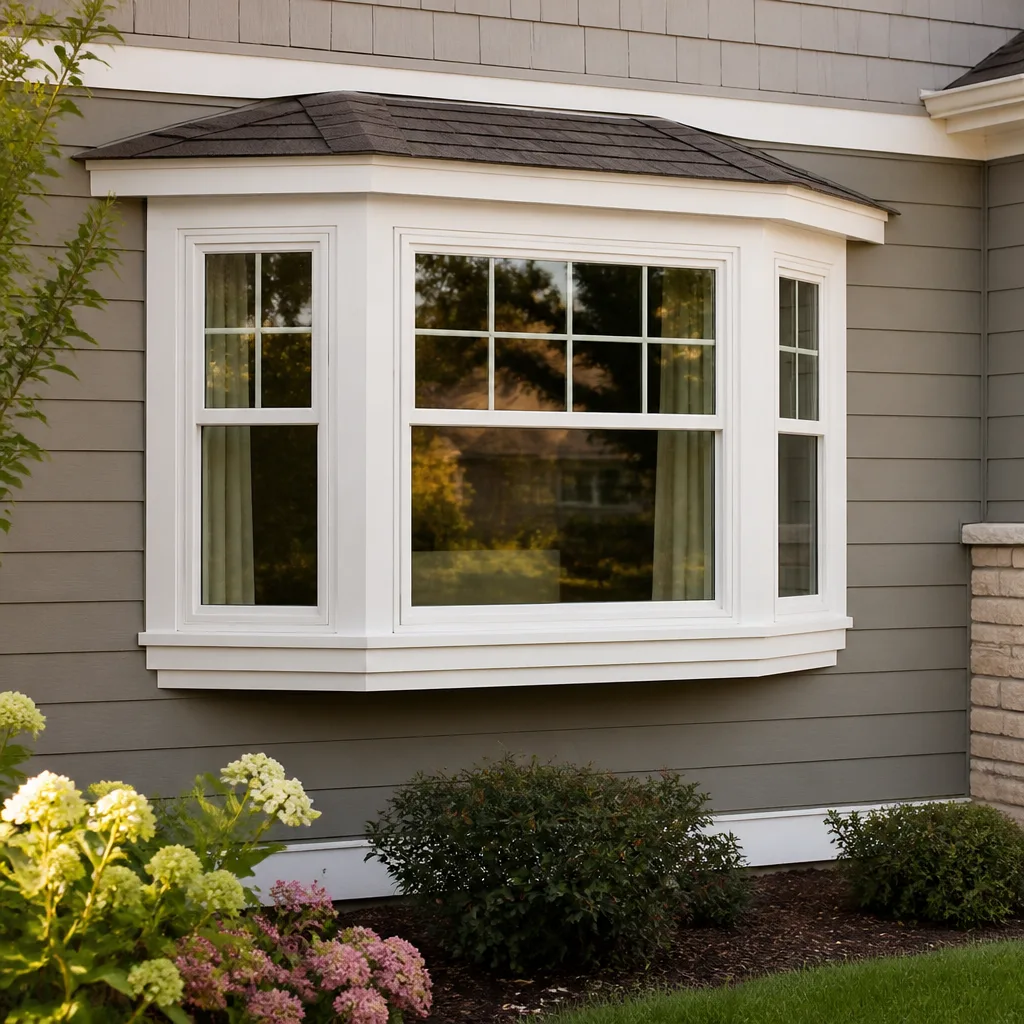 Bay & bow
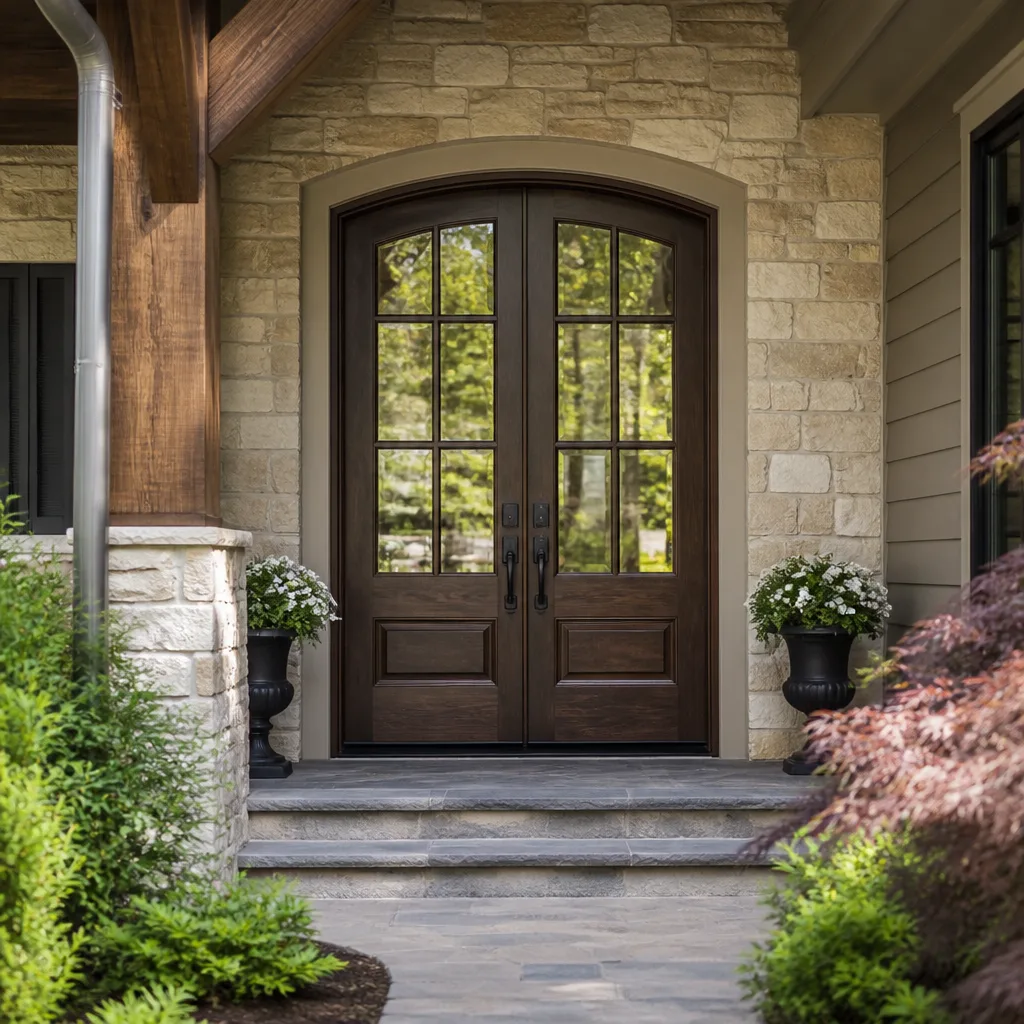 Entry doors
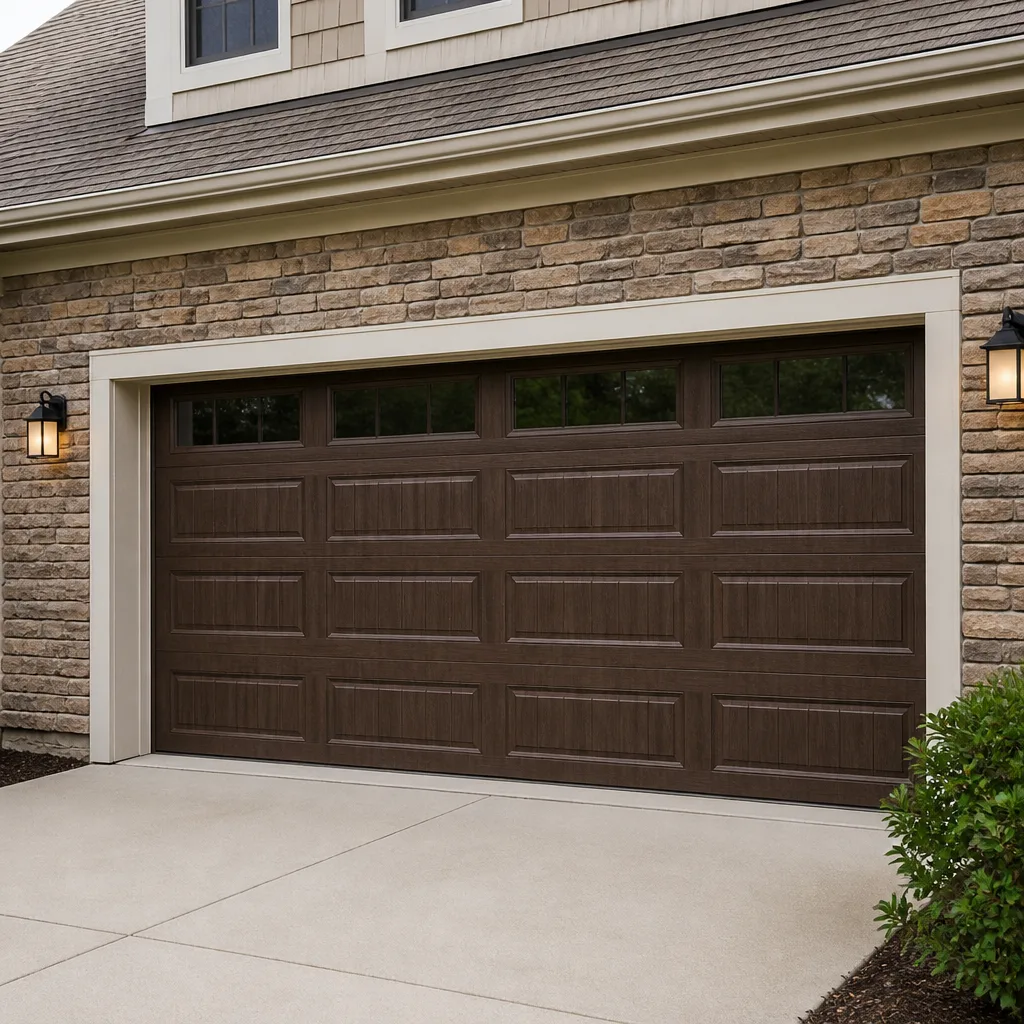 Impact garage doors
 PGT
 CGI
Free in-home measure and quote - PGT, CGI and CWS impact lines compared on your actual openings, style by style
Get your free estimateHow to Hire a Windows & Doors Contractor in Tacoma: A Step-by-Step Guide
Any licensed contractor in Washington State can legally install your windows. That doesn’t mean they know the difference between a simulated divided lite and a true divided lite, or why getting that wrong on a Craftsman home in the North End can cost you resale value. The most common mistake Tacoma homeowners make isn’t hiring a bad contractor; it’s not knowing which questions separate a window specialist from a general remodeler who added windows to their service list last year. This guide gives you a vetting framework built around what actually matters for a window-only job: the five questions only a specialist can answer, how to check a contractor’s license and complaint history in five minutes, and the contract terms Washington law requires you to see in writing.
Quick Answer
To hire a windows and doors contractor in Tacoma, verify the contractor’s Washington State license and L&I complaint history first, then ask questions that only a true window specialist can answer with specifics: rough-opening tolerances, flashing method, divided-lite construction, and disposal responsibilities. Choose an independent, multi-brand dealer so you can compare products side by side instead of being steered to a single manufacturer’s price tier, and insist on a written contract with line-item products, install method, disposal, and warranty terms before anyone takes a deposit.
Styles & brands we work with
- Single hung
- Double hung
- Horizontal roller
- Casement
- Bay & bow
- Sliding glass doors
- Entry doors
- Impact garage doors
- PGT
- CGI
Table of Contents
- Why a Window Specialist Beats a General Remodeler
- The Five Questions a Window Specialist Can Answer
- How to Verify a Washington State Contractor in Under Five Minutes
- Why Multi-Brand Dealers Give You Leverage
- What a Legitimate Window Contract Must Include
- Red Flags Specific to Window and Door Jobs
- What Tacoma’s Housing Stock and Climate Ask of You
- What Installation Day Should Look Like
Why a Window Specialist Beats a General Remodeler
A window-only contractor is different in one practical way: their livelihood depends on the same kind of job, repeated constantly. A general remodeler installs windows a few times a year between kitchens, decks, and siding jobs. They can do it. But when the rough opening is out of square in a 1920s Tacoma bungalow, or when a homeowner wants a simulated divided lite that matches the original window’s proportions, the specialist has already solved that problem dozens of times.
Specialization also narrows the incentives. A company that only handles windows and doors has no reason to steer a conversation toward roofing, siding, or a full remodel. Every recommendation you hear stays on the glass and frame. That’s the difference between a contractor with an upsell ladder and one with a product catalog.
This matters most for three things Tacoma homeowners run into:
- Sliding door replacement. Doors carry heavier structural and weatherproofing demands than windows. A specialist knows how to handle the framing, threshold, and drainage plane without cutting corners.
- Matching existing exterior envelopes. When windows and entry doors are replaced at the same time, alignment and finish consistency actually matter. A general remodeler often subcontracts the door and loses that continuity.
- Impact-rated options. If your home faces wind exposure or storm risk, impact-rated lines like those from PGT, CGI, ES Windows, or ECO Window Systems offer real performance differences. A specialist can explain them without confusing you.
The core takeaway: hiring a specialist is not about prestige. It’s about the depth of their answer when you ask a technical question. If your candidate gives vague, deflecting responses, you’ve just found your answer. For a deeper look at the scope of what a focused company handles, see our guide on window replacement.
The Five Questions a Window Specialist Can Answer
Here are five questions to ask any contractor before signing. A true window and door specialist will answer them confidently with specifics. A generalist will hedge, change the subject, or say “we’ll figure that out on site.”
- “How do you handle a rough opening that’s out of square?” The right answer names a measurement process, a tolerance range, and the exact fix (framing adjustment, shimming, custom sizing). Vague answers like “we make it work” are a red flag.
- “What’s your flashing method at the sill and head?” Flashing is the single biggest determinant of whether a window leaks over the next decade. The specialist describes a layering sequence, sill pans, and housewrap integration. The generalist usually says “we use flashing,” which is not an answer.
- “How do you ensure the divided lites match the home’s existing proportions?” A Craftsman home in Tacoma’s North End has specific divided-lite geometry. Simulated divided lites can match it well. True divided lites cost more and serve a different aesthetic. A specialist explains the difference between the two and guides your choice. A generalist installs whatever’s in the catalog.
- “Who handles disposal, and where’s that line item?” Old window removal and haul-away should be a written line in the estimate. If the answer is “we can talk about that later,” that’s a hidden cost waiting to bite you.
- “Which manufacturer brands do you install, and why that set?” An independent specialist carries multiple brands across price tiers (companies like ours install PGT, CGI, CWS, ES Windows, ECO Window Systems, Mr-Glass, Therma-Tru, and ViewLux). A single-brand dealer installs one manufacturer’s catalog. If they can’t explain why they picked their brand lineup, they may not have chosen it at all.
If you hear confident, specific answers to all five, you’ve likely found a real specialist. If half of them get deflected, keep shopping. Our page on window installation covers what a proper installation sequence should look like in detail.
How to Verify a Washington State Contractor in Under Five Minutes
Washington State runs a public database that shows any contractor’s license status, registration, and complaint history through the Department of Labor & Industries (L&I). You can complete the whole check in under five minutes, and there’s no reason to skip it.
- Go to L&I’s contractor verification tool. The Washington State L&I website has a public contractor lookup page (search for “L&I verify contractor Washington”).
- Search by business name and by the contractor’s registration number. Ask the contractor for both. If they hesitate to give you the number, take that as a signal.
- Confirm three things on the result page: the license is active, the registration hasn’t lapsed, and the business name matches what’s on the estimate. Occasionally a crew works under a different legal entity name than the one marketing to you; that’s fine if they disclose it, a red flag if they don’t.
- Open the complaint history tab. You’re looking for a pattern, not a single item. One resolved complaint across many jobs is common. A cluster of open or unresolved complaints about the same issue (leaks, unfinished work, abandoned jobs) is a stop sign.
- Cross-check the insurance and bond status. Washington requires registration and bonding; the L&I page shows whether these are current. If they describe themselves as “fully licensed and insured,” this is where you confirm it.
One note: every contractor you consider should be registered as required for their trade. When you work with a company that connects you with local professionals, ask them to confirm the pro is licensed and insured as their state requires, and don’t be shy about asking for the credential directly. Our team at Tacoma Window Replacement Pros can walk you through exactly what a proper Washington contractor’s paperwork looks like.
Why Multi-Brand Dealers Give You Leverage
When a dealer carries a single brand, they have one product lineup to sell you. That’s not automatically bad; some manufacturers genuinely offer a good product across tiers. But the price you’re quoted reflects whatever margin that brand’s dealer agreement allows, and you have no benchmark to compare against.
An independent dealer with multiple brands can do something a single-brand dealer can’t: put product options side by side for the same job. On any one window replacement project, the differences may come down to frame material, glass package, divided-lite construction, warranty terms, and cost. When you see multiple brands on one estimate, you can spot the real trade-offs instead of paying for the middle of a single catalog.
The right questions to spot whether a dealer is truly independent:
- Ask which manufacturers they install, and why those. A multi-brand dealer can name several trademarked brands and explain what differentiates each. A brand-captive dealer names one.
- Ask whether they can quote multiple brands on one job. A multi-brand dealer can. A captive dealer will say something like “our brand is all you need.”
- Ask if their sales staff is directly employed or brand-sponsored. A dedicated multi-brand shop has staff who aren’t paid by one manufacturer. A single-brand shop often does.
Specialist multi-brand dealers like ours exist for exactly this reason: the right window for your home, not just the one we stock. If impact-rated options matter for your property, a dealer carrying PGT, CGI, ES Windows, and ECO Window Systems has real choices to compare. For doors, a company experienced with Therma-Tru can coordinate your entry doors alongside your windows so the whole exterior envelope works together. Our page on door replacement explains the door side of the picture.
What a Legitimate Window Contract Must Include
Washington consumer protection law gives you specific rights when you sign a home improvement contract. The contract should include several things in writing before you sign or pay anything. Use this as your checklist:
- Full legal name and registration number of the contractor, matching the license you verified.
- Total price and payment schedule. Washington caps the deposit for home improvement work; ask for the exact schedule in writing. A legitimate contract never asks for full payment upfront.
- Detailed product description. Brand, model, glass package, frame material, and divided-lite type for each opening, not just “windows.”
- Installation method. Full-frame vs. insert replacement, removal scope, flashing details, and any trim work included.
- Disposal terms. Who removes and hauls away the old windows, and where that cost appears on the line items.
- Permits. If a permit is required by your jurisdiction, the contract should say who pulls it. In most cities, ask your local building department what’s required before you sign.
- Warranty terms. Manufacturer warranty and workmanship warranty should each be separately stated with durations.
- Timeline and completion conditions. Scope, start, expected duration, and how weather delays or product lead times are handled.
- Three-day right to cancel. Washington gives homeowners a three-day cancellation right on certain home solicitation contracts. The contract should state this right clearly.
If any of these are missing, ask for a revision before signing. A professional won’t push back. One important scope note: window replacement is a project, not a tweak. Companies that focus on this work typically set a minimum project size (ours takes jobs of three openings or more), so plan around a full job rather than a single window.
Red Flags Specific to Window and Door Jobs
Some warning signs are generic across all contracting work. Others are specific to window and door installs. Here are the ones to watch closely:
- No rough-opening measurement language. If the estimate says “we’ll take out the old window and install the new one” without any reference to measuring the opening, that’s not a proposal. It’s a slogan.
- No mention of flashing. Flashing is the biggest single driver of window performance. If it’s absent from the proposal, the company is skipping a step that matters more than the glass you choose.
- Missing disposal line item. If the old windows aren’t on the line items, the disposal cost and responsibility will either appear at the end or fall on you. Both are bad.
- Vague brand and product descriptions. “We install vinyl windows” is not enough. Ask for brand, model, glass package, and frames for every opening in writing.
- No written warranty on either workmanship or product. Manufacturer warranties exist independently of the installer. But without a workmanship warranty from the installer, you’re on your own for installation-related failures.
- Pressure to sign before you’ve compared. A specialist wants you informed. A high-pressure salesperson wants a signature before you can benchmark the price.
- Estimates that skip permits. In most jurisdictions, window replacements of certain sizes or scopes require a permit. If the estimate doesn’t mention permits at all, ask who’s responsible for pulling them.
One more subtle check: ask the contractor to walk you through a recent job in writing (not a name, not a photo, just the process). A specialist describes the process with ease. A generalist rarely can.
What Tacoma’s Housing Stock and Climate Ask of You
Tacoma homes present a few specific considerations that affect window and door choices. The city’s age profile includes many pre-war houses, mid-century neighborhoods, and newer construction in places like Fircrest and the North End. Each style makes different demands on what you should install.
- Craftsman-era homes in the North End and Proctor District often have divided-lite patterns that need to be matched, not approximated. Getting this wrong means the replacement looks modern and out of place next to the neighbors, which affects resale appeal.
- Tacoma’s wind and rain exposure from the south and west means the flashing and weatherproofing details on windows and sliding doors matter more than they might further inland. If your home faces the elements on an open side, impact-rated lines may be worth a hard look.
- Older bungalows in Tacoma’s more established neighborhoods often have out-of-square rough openings from decades of settling. This isn’t a problem for a specialist; it just needs to be anticipated, not discovered on install day.
- Sliding doors in mid-century and ranch homes face the same wind-and-rain demands and often carry the worst weather sealing in the house. Sliding door replacement is one of the most commonly deferred and technically specific upgrades in Tacoma homes, and it’s worth asking your contractor about on the same visit as windows.
Within Tacoma neighborhoods, the right product can differ a lot from block to block. A specialist walks the property and matches the product to the house, not the other way around.
What Installation Day Should Look Like
Once the contract is signed and materials are on order, installation day is the payoff. Here’s what a well-run install looks like:
- Pre-install walkthrough. The crew walks the property, confirms which openings are being replaced, and reviews the product lines against the contract line items.
- Interior protection. Floors and furniture are covered before any work starts. Exterior landscaping is protected along the installation path.
- Removal and disposal. Old windows come out, and the old units go into the disposal arrangement stated in the contract. If you don’t see a plan for removal, that’s a problem before it starts.
- Rough opening prep. Framing adjustment and weatherproofing prep before the new window goes in. The details you discussed at estimate time show up here.
- Flashing and setting. The window goes in with the flashing sequence completed before the unit is fully set.
- Trim and seal. Interior trim, exterior sealant, and trim work are completed per contract.
- Cleanup and walkthrough. Final cleanup and a walkthrough with you to confirm everything is per contract. Warranty paperwork is handed over at that time, not later.
If your install takes more than a day (larger jobs do), ask at signing how many days the work will take and what the crew will do to protect your home during the multi-day sequence. A specialist has a standard answer.
Common Mistakes to Avoid
- Skipping the L&I check. Homeowners who skip this step sometimes discover a lapsed registration or a pattern of complaints after the job starts. Five minutes before signing saves months of headaches.
- Comparing price per window across brands. One brand’s “cheap” price may reflect a lower glass package or thinner frame. Compare product lines for the same job, not price-per-window across catalogs.
- Assuming a general remodeler is a window specialist. A contractor who installs windows between other trades can handle the install. But when the job requires matching divided-lite geometry on a historic Tacoma home, the generalist often gets it wrong.
- Not asking for a written workmanship warranty. Manufacturer warranties cover product defects. They don’t cover poor installation. Ask for both, in writing.
- Choosing a single-brand dealer without comparing. A multi-brand dealer can put options side by side. If you don’t see at least two product lines on the estimate, you’re not comparing anything.
- Not confirming permits. Some window replacements require a permit. If your jurisdiction requires it and the contractor doesn’t mention pulling one, that’s a gap.
- Forgetting disposal is a line item. If “removal and haul-away” isn’t in the estimate, it can reappear as a surprise charge. It should be written in the estimate from the start.
See the difference
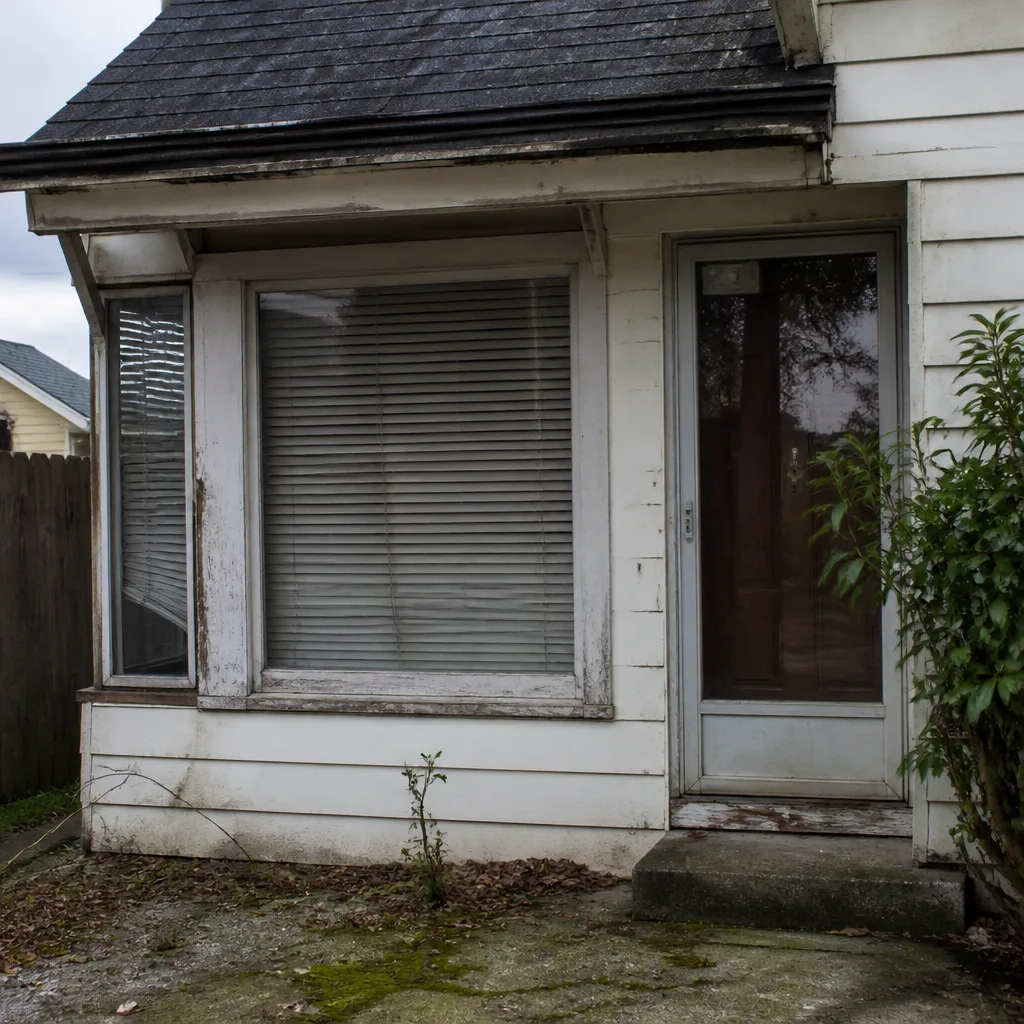 Before
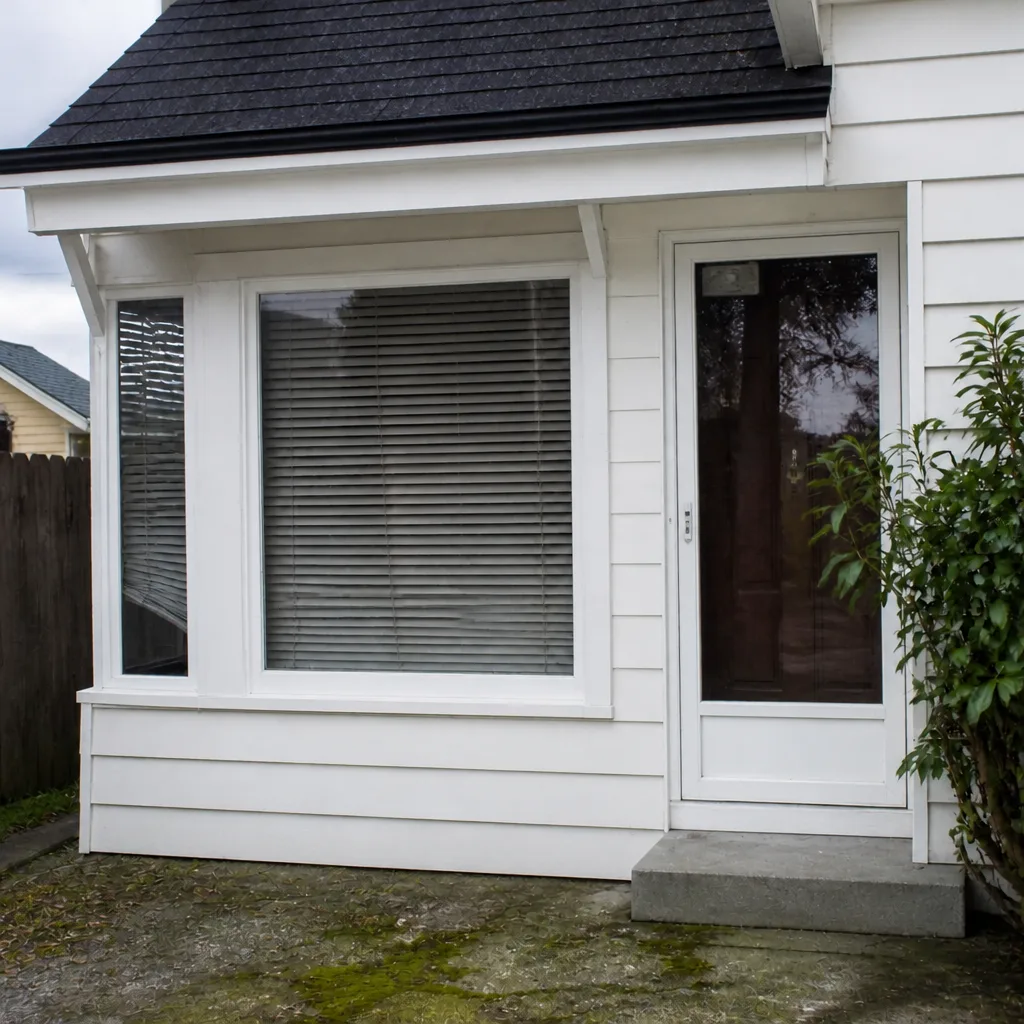 After
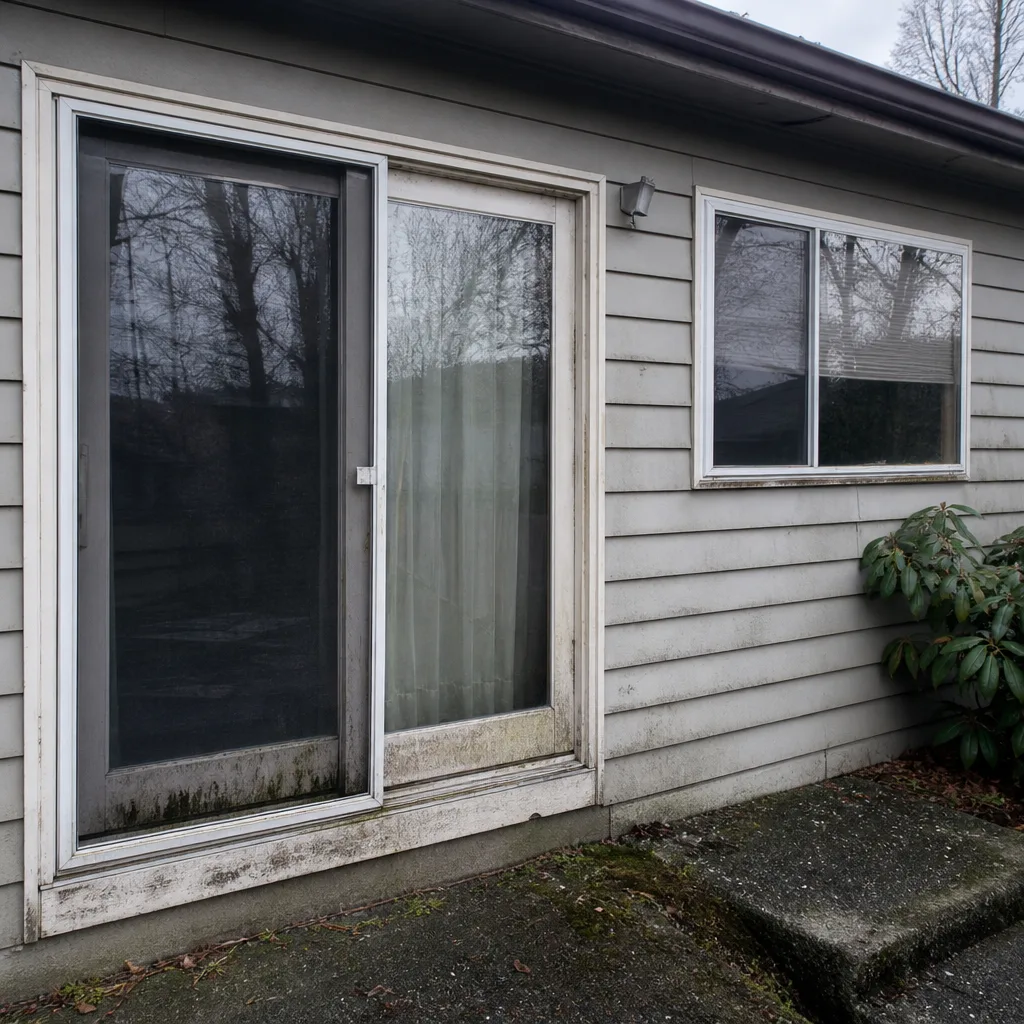 Before
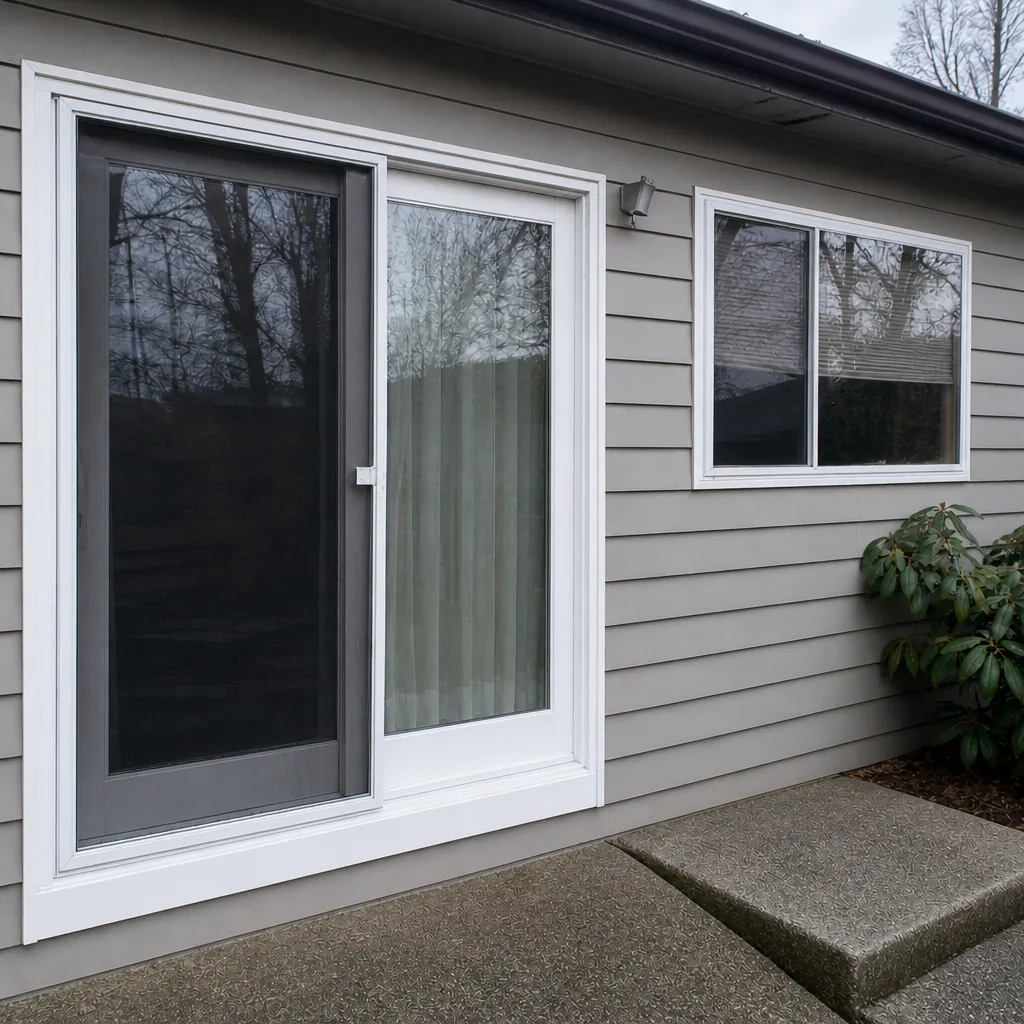 After
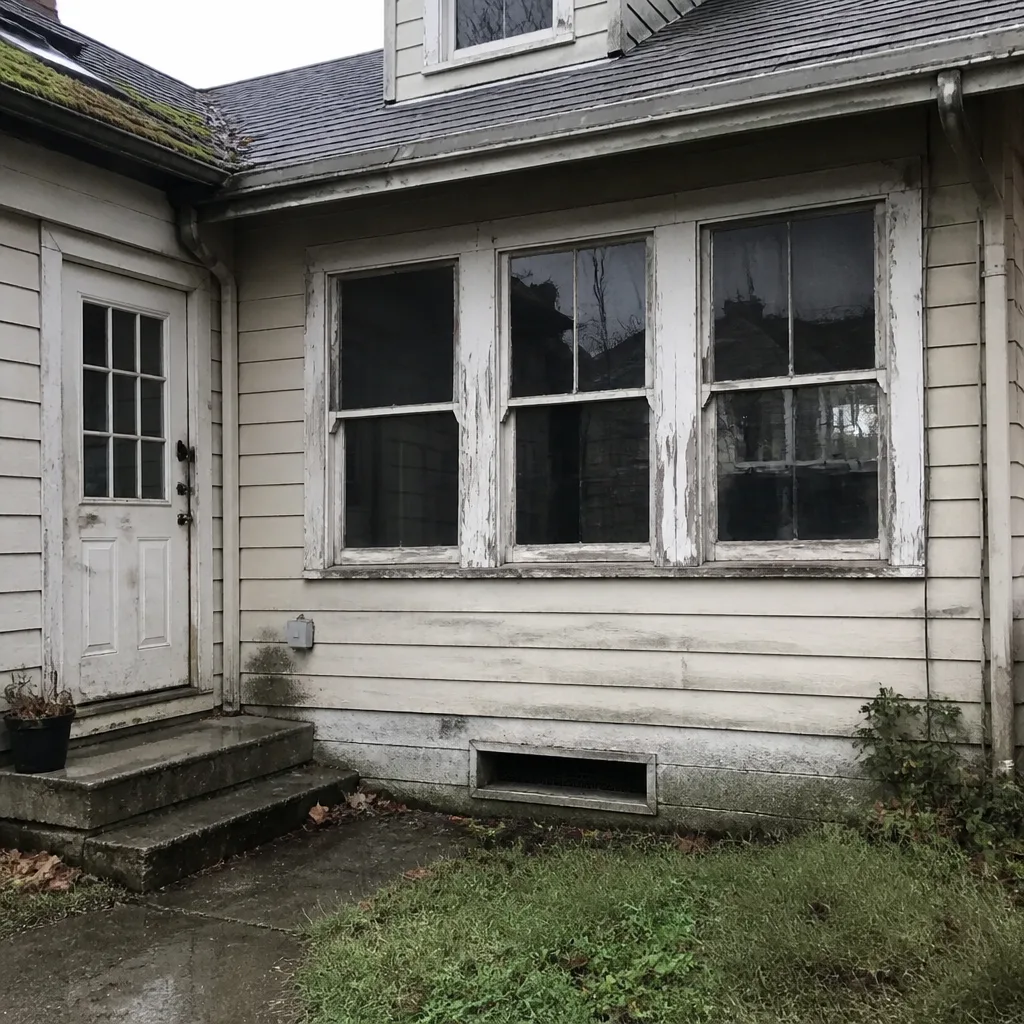 Before
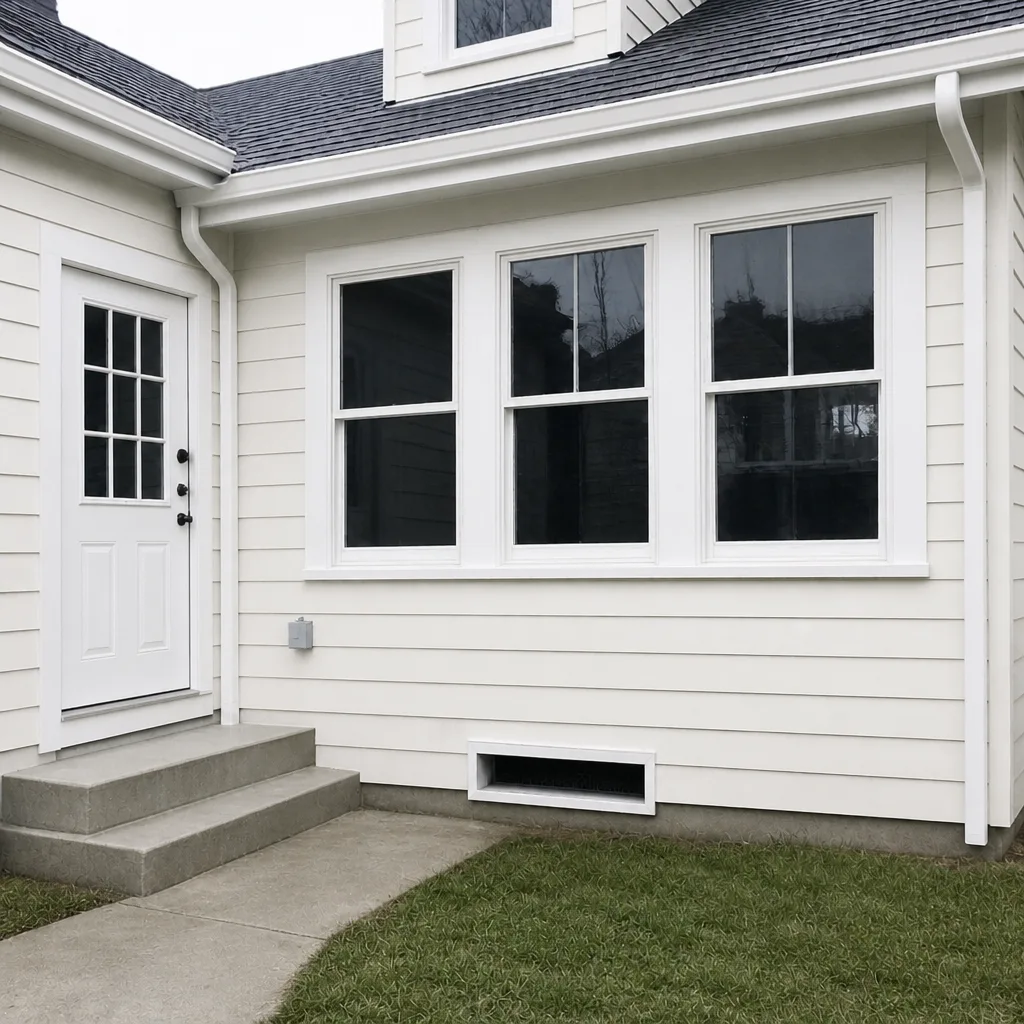 After
When to Call a Professional
Some window and door conditions simply can’t wait for the perfect plan. Call a professional when you see:
- Visible water intrusion around window frames after heavy rain, or staining on the interior sill
- A sliding door that sticks, doesn’t seal, or lets wind in through the track
- Condensation between glass panes (foggy glass), which signals a failed seal in the unit
- Noticeable drafts or higher energy bills compared to prior years
- Frames that are soft to the touch, which can indicate rot behind the trim
- A window that no longer opens, closes, or latches properly after an impact
Each of these points to a replacement decision rather than a repair, and a specialist can tell you which products match your home and budget. Tacoma Window Replacement Pros offers free estimates in Tacoma. Call (253) 295-7077 to schedule yours. Estimates are free, written, and line-itemed, and our technicians have up to 10 years of experience matching the right product to the job.
Frequently Asked Questions
Window replacement in Tacoma typically costs more than a single-window repair would in a smaller market, because the housing stock is older and many installs require rough-opening adjustment. The exact line item depends on brand, glass package, frame material, and how many openings are included. Our company takes on projects of three openings or more, so ask for a written, line-item estimate on the full job. Call (253) 295-7077 for an exact quote; estimates are free.
Many window replacement projects in the Tacoma area require a permit, but requirements vary by project scope and jurisdiction, so check with your local building department before work starts. The contract should state clearly who is pulling the permit. If a contractor doesn’t mention permits at all in the estimate, ask before signing. Call (253) 295-7077 if you want help understanding what a typical Tacoma permit process involves.
A full window replacement project on a Tacoma home typically takes one to several days depending on how many openings are being replaced and whether any framing adjustment or sliding door work is included. The written contract should state the scope and expected duration, along with how weather delays are handled. Call (253) 295-7077 for an estimate that spells out the timeline.
Yes, when you work with a multi-brand dealer rather than a single-brand shop. Our company installs brands across price tiers, including PGT, CGI, CWS, ES Windows, ECO Window Systems, Mr-Glass, Therma-Tru, and ViewLux, so you can compare product options side by side for the same job. Ask any dealer you’re considering what brands they install and whether they can quote more than one on your project. Call (253) 295-7077 to see how that comparison works.
Look for a contractor who treats sliding door replacement as a named specialty, not an add-on. The right pro will ask about the threshold, drainage plane, framing, and wind exposure at the opening, since sliding doors carry heavier structural demands than windows. If the answer to “how do you handle the threshold flashing” is vague, keep shopping. Call (253) 295-7077 for a sliding door estimate alongside your window project.
A good contract has two warranties stated separately: the manufacturer’s product warranty with its duration and coverage, and the installer’s workmanship warranty with its own terms. They cover different things. Product defects are on the manufacturer; installation-related failures are on the contractor. If the estimate has neither stated in writing, ask for both before signing. Call (253) 295-7077 for a free estimate that includes both warranty disclosures.
The Bottom Line
Hiring a windows and doors contractor in Tacoma comes down to four moves. Verify the Washington State license and L&I complaint history before you talk to anyone. Ask the five questions only a window specialist can answer confidently, and treat vague answers as a no. Choose a multi-brand dealer so you can compare products instead of being sold one catalog’s price tier. And insist on a written contract with product description, install method, disposal, permit responsibility, and both warranties stated separately. Do those four things, and you’ll spot the difference between a specialist and a remodeler with windows on their service list.
If you’re ready to compare brands and get a free estimate, call Tacoma Window Replacement Pros at (253) 295-7077. Eight brands, one specialist, and a written estimate you can actually benchmark.
Written by the team at Tacoma Window Replacement Pros.