Last updated November 25, 2026
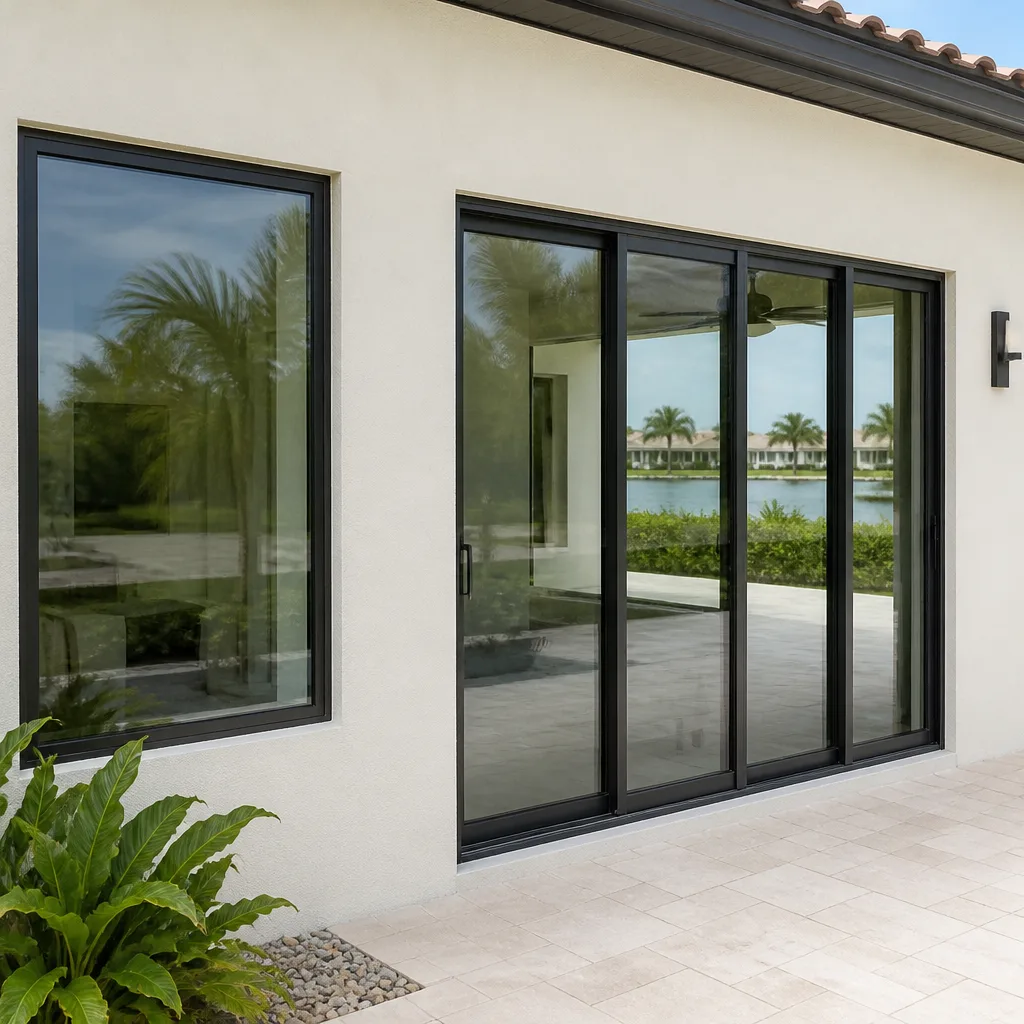
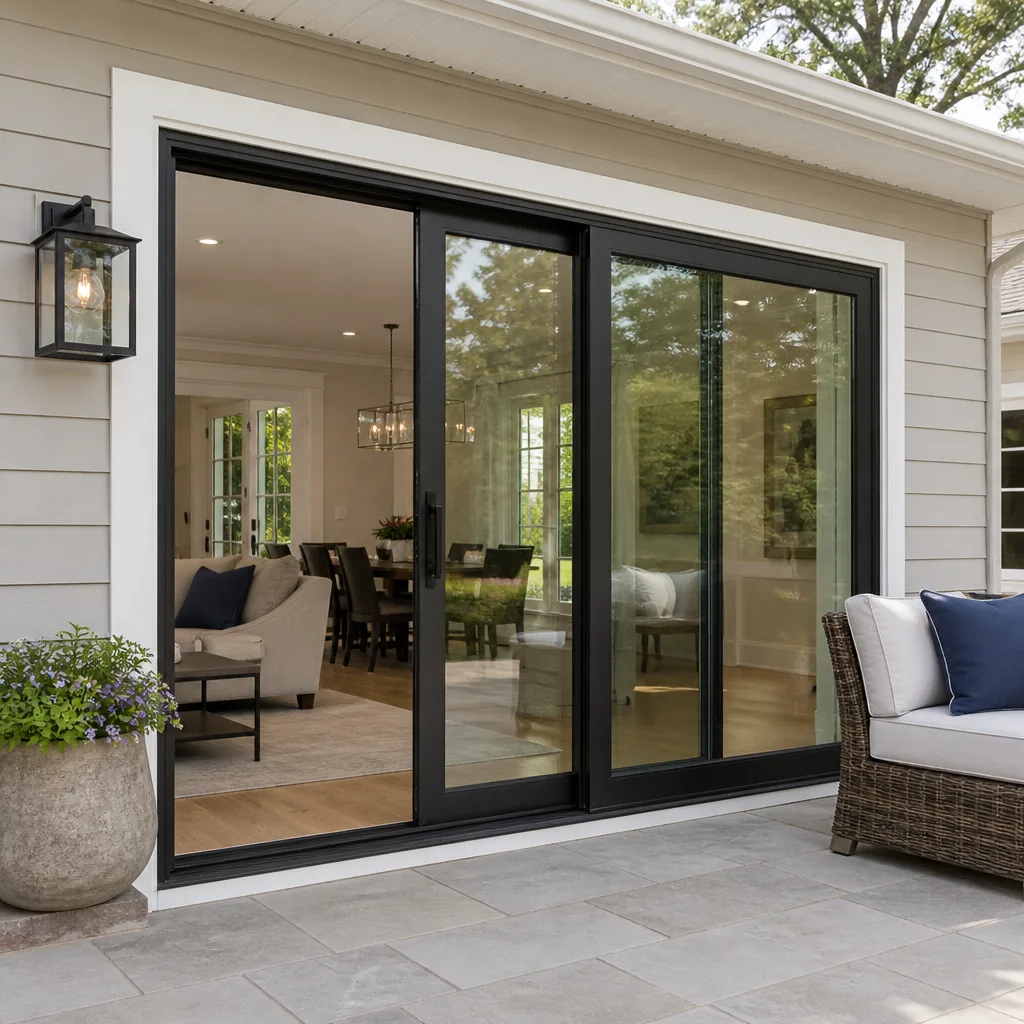 Sliding glass doors
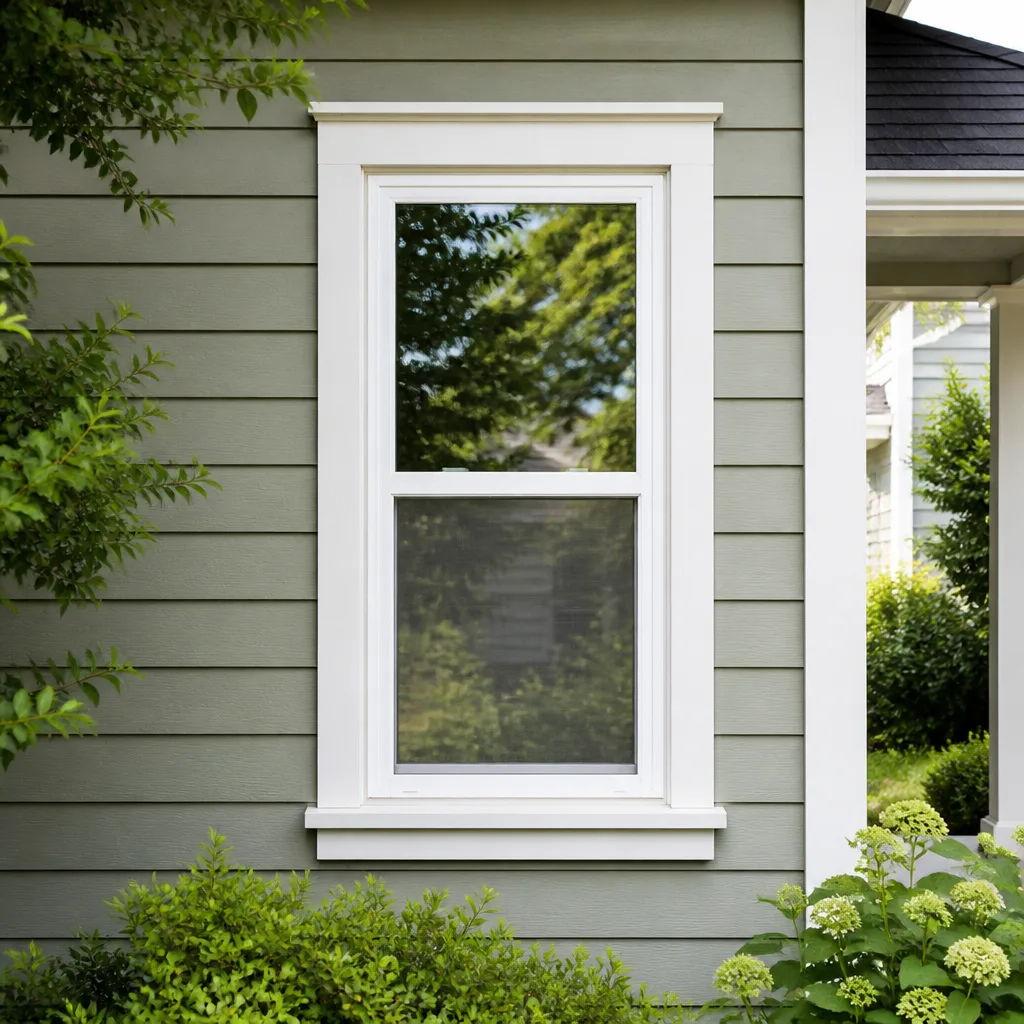 Single hung
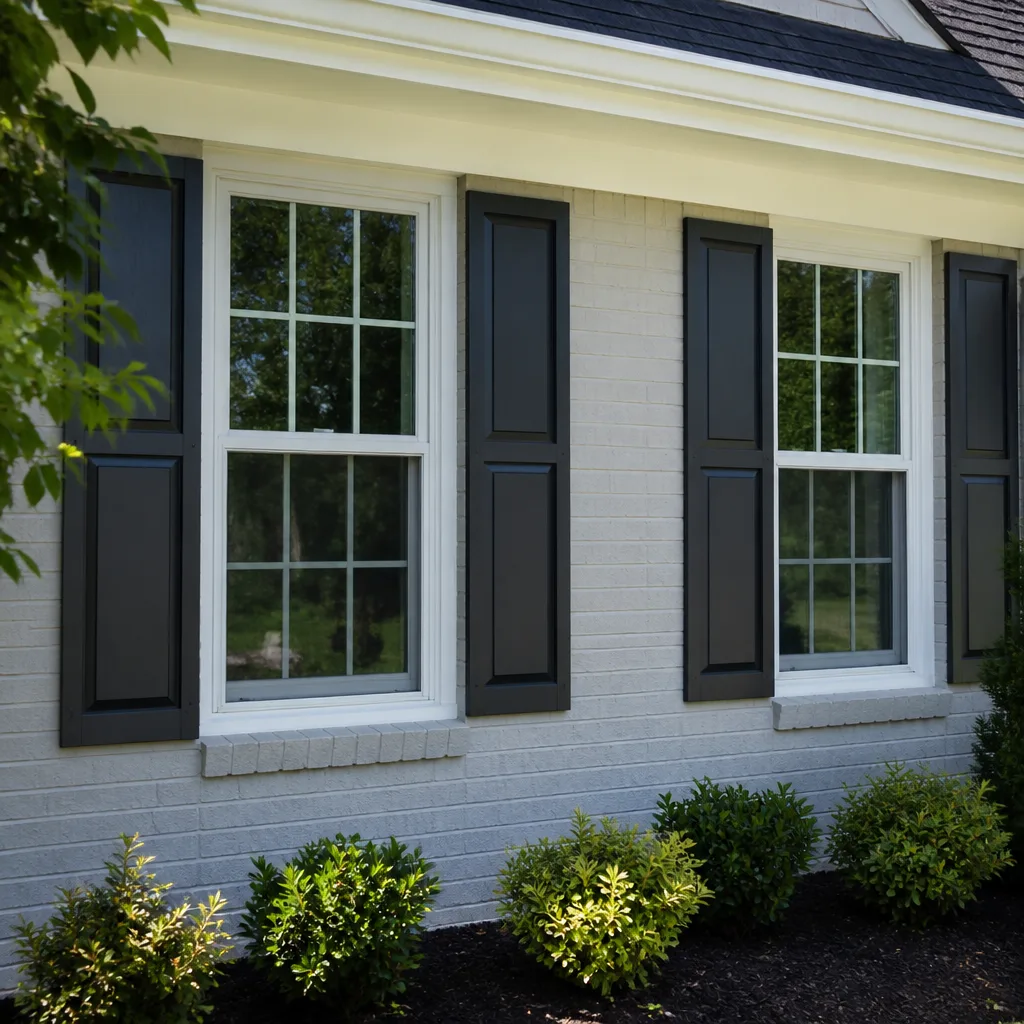 Double hung
 Horizontal roller
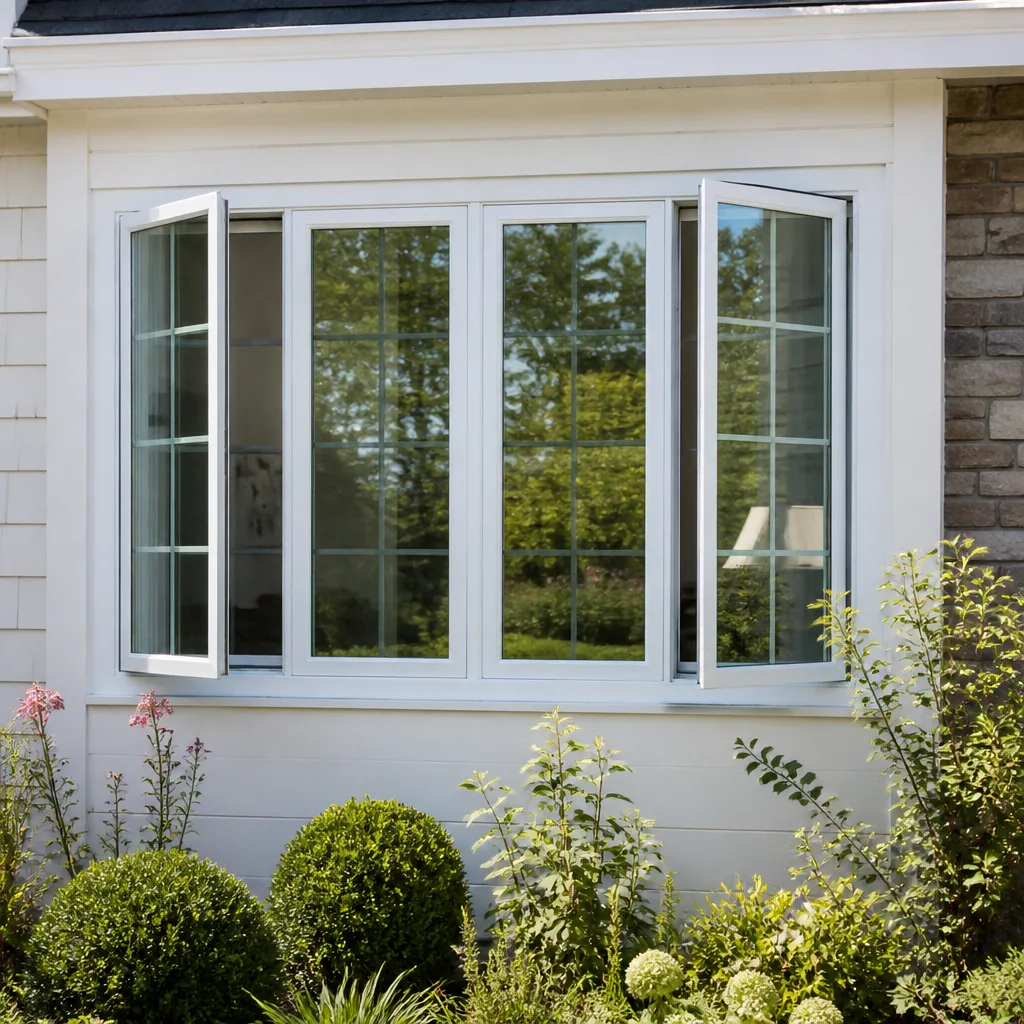 Casement
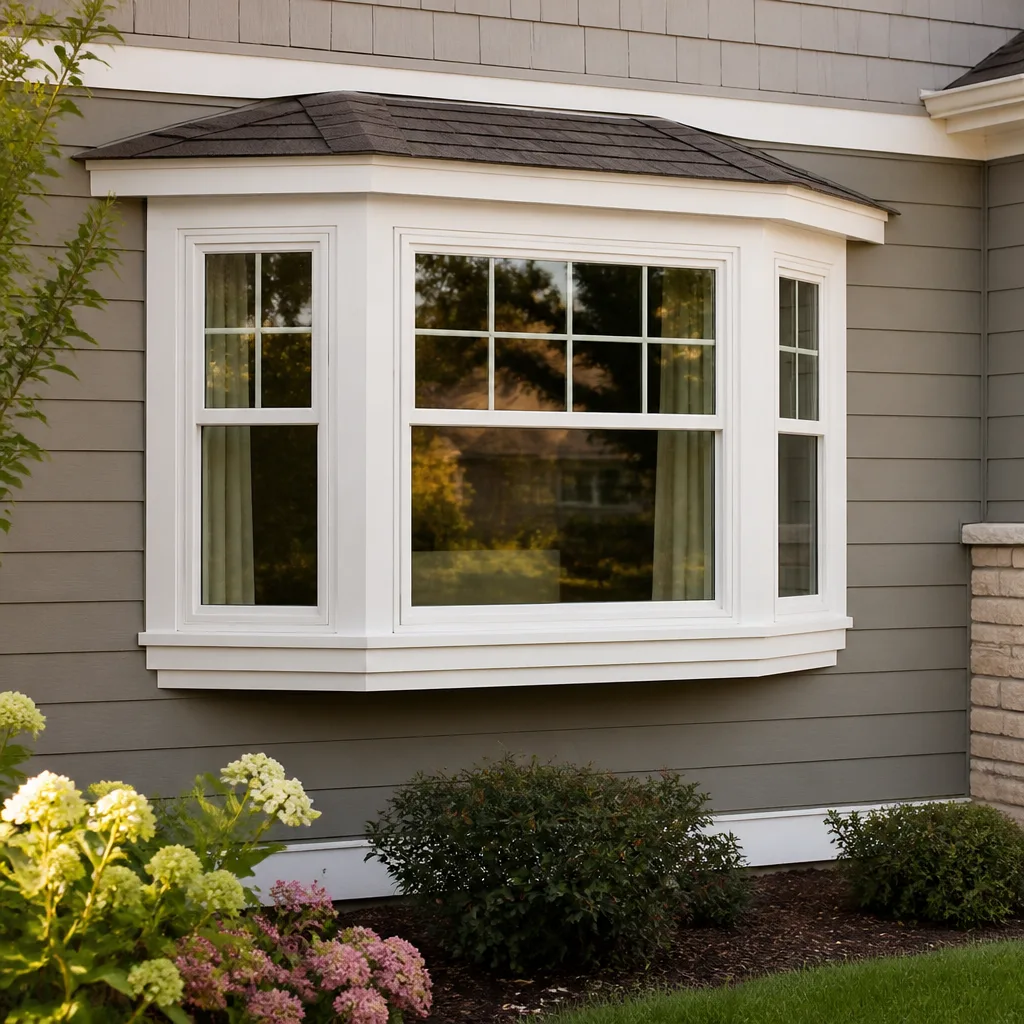 Bay & bow
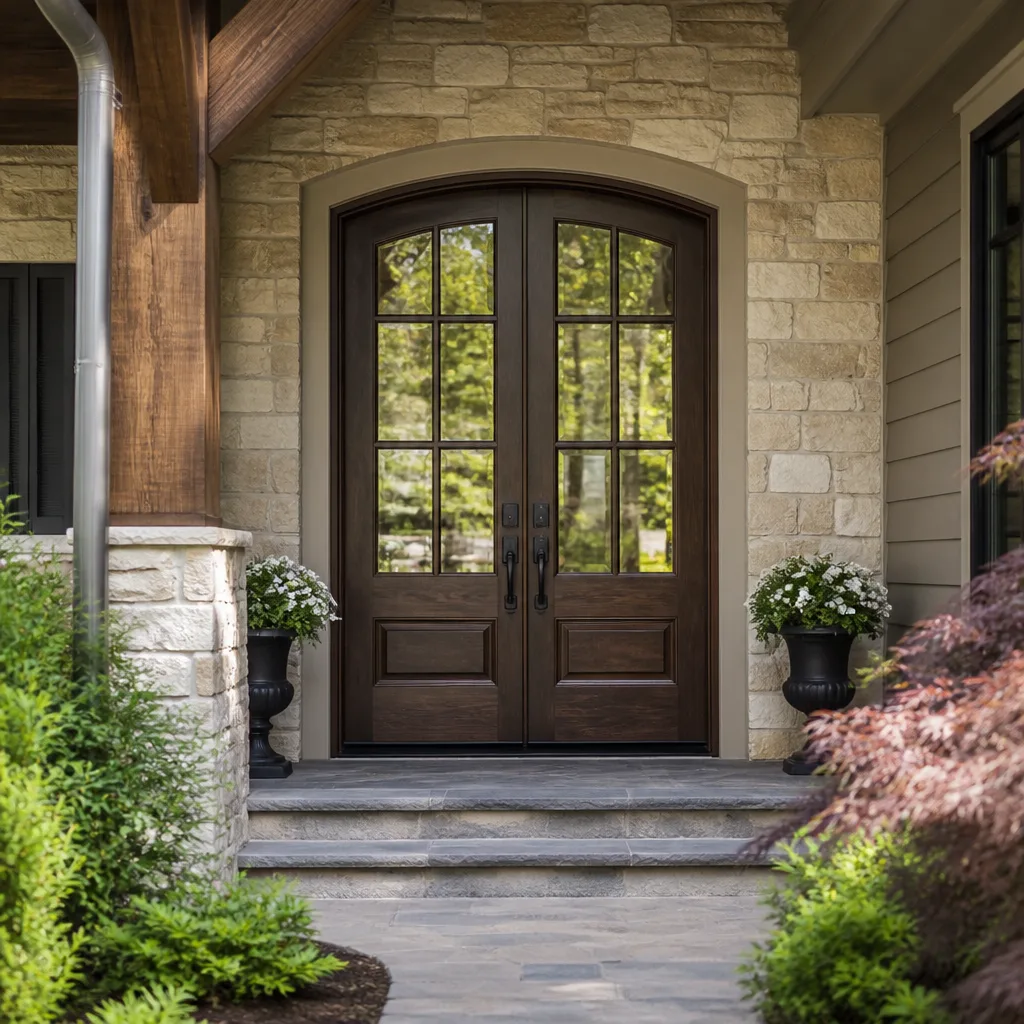 Entry doors
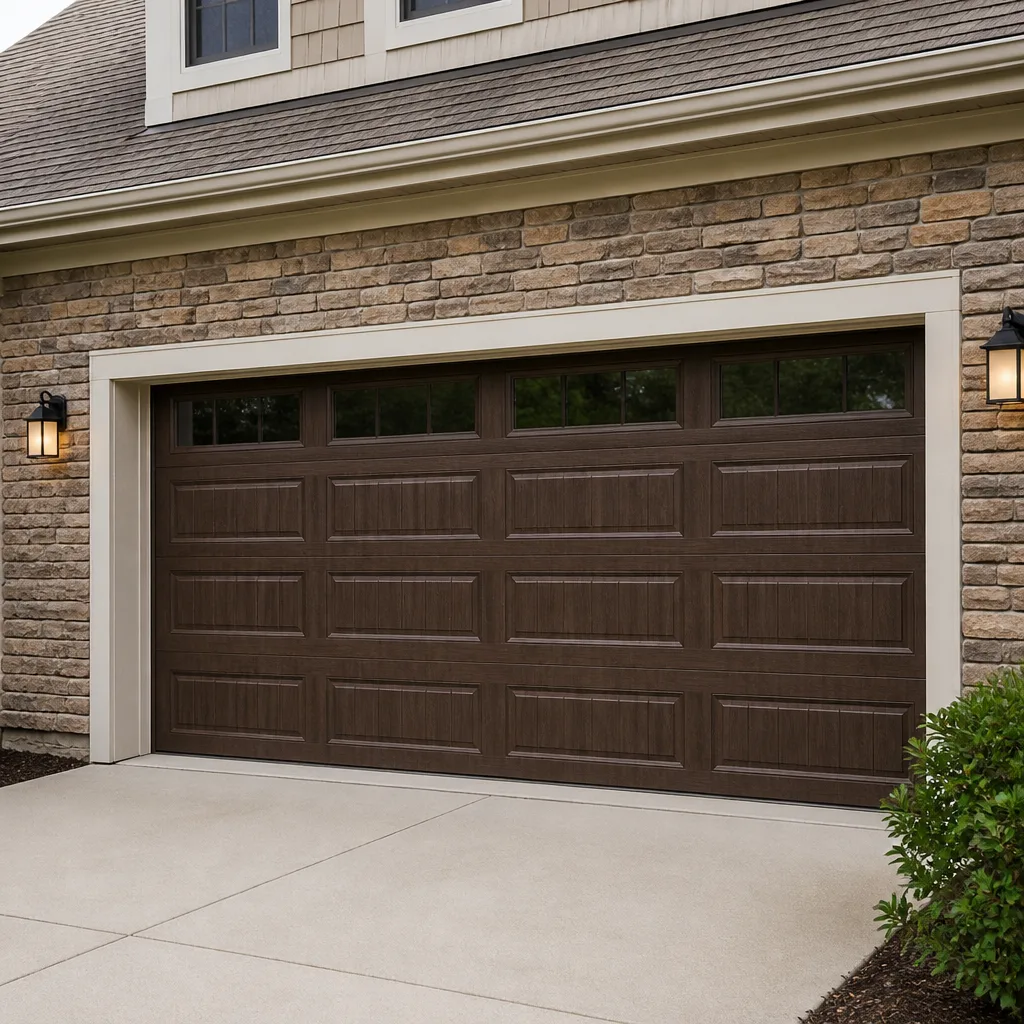 Impact garage doors
 PGT
 CGI
Free in-home measure and quote - PGT, CGI and CWS impact lines compared on your actual openings, style by style
Get your free estimateThe Complete Guide to Windows & Doors in Tacoma
Most window guides are written for Phoenix or Chicago. Tacoma gets about 38 inches of rain a year, almost no hard freezes, and salt-laden air near the Sound. That combination quietly destroys the wrong product faster than homeowners expect. A window that shines in a desert climate can fail at the seals in a Tacoma bungalow within a few winters. And a door that seals fine against a gentle rain will let wind-driven water past cheap weatherstripping during a fall storm coming off Commencement Bay. This guide maps every decision – coating, frame material, rough opening, door grade – to the conditions that actually exist in Tacoma and its surrounding neighborhoods. You’ll learn how to compare brands honestly, what a realistic installation timeline looks like, and how to avoid the expensive mistakes that generic advice leads people into.
Quick Answer
The right window or door for a Tacoma home depends on three things: whether your house sits in the damp, salt-exposed air near the water or the drier, sunnier hillside neighborhoods inland; whether your home is a pre-war Craftsman whose rough openings limit what will fit; and how much wind-driven rain your elevation and exposure throw at the exterior. Match frame material and low-e coating to those conditions first, then compare brands. Tacoma Window Replacement Pros carries eight brands and specializes in windows and doors only, so you can weigh options side by side before you commit.
Styles & brands we work with
- Single hung
- Double hung
- Horizontal roller
- Casement
- Bay & bow
- Sliding glass doors
- Entry doors
- Impact garage doors
- PGT
- CGI
Table of Contents
- How Tacoma’s Climate Affects Window and Door Choice
- Choosing the Right Low-E Coating for a Tacoma Home
- Frame Materials Compared for Tacoma’s Moisture and UV
- Tacoma’s Older Housing Stock and Rough Openings
- Replacement Windows vs. New-Construction Windows
- Door Styles and Weatherstripping for Wind-Driven Rain
- Comparing Brands Without the Sales Pitch
- How a Replacement Project Goes, Step by Step
How Tacoma’s Climate Affects Window and Door Choice
Tacoma sits in a narrow band of climate that’s easy to misread. You get roughly 38 inches of rain a year, most of it between fall and spring. Hard freezes are rare. Summer highs stay mild. What makes Tacoma harder on windows and doors than the numbers suggest is moisture that never fully dries out, plus salt-laden air moving in off the Sound. That combination attacks seals, hinges, and weatherstripping slowly and from the inside, so failures show up years after a product is installed and often out of warranty.
Where your home sits inside Tacoma changes the equation:
- Near the water (Ruston, Old Town, the North End down toward Point Defiance): higher humidity, more airborne salt, and sustained wind-driven rain. Seals, hardware, and door thresholds take the most abuse here.
- Inland and up the hills (South Tacoma, the West End, neighborhoods climbing toward the Narrows): more direct summer sun, less constant moisture, wider daily temperature swings. UV exposure and thermal cycling matter more here.
- The valley floor and low-lying pockets: drainage and ground moisture put a premium on door sills and sill pans that shed water well.
The lesson is that “energy-efficient window” is not a single recipe. Two homes five miles apart in Tacoma can need different glass packages to perform their best. That’s why we walk a house and look at exposure before recommending a product.
Choosing the Right Low-E Coating for a Tacoma Home
Low-e coatings are thin metallic layers that reflect heat and filter UV light. The generic advice online usually optimizes for harsh cold or harsh heat. Tacoma needs a middle path. Because winters are mild and summers are gentle, the priority shifts toward managing moisture, condensation, and UV rather than blocking extreme temperature. Get the coating wrong and you’ll see condensation on the interior glass on damp mornings or faded floors and furniture over time.
Here’s the practical breakdown:
- Standard low-e on a double-pane unit handles most Tacoma homes well. It reduces heat transfer and filters a good share of UV while keeping the glass clear and letting daylight in during the gray months.
- Low-e with a slightly higher solar heat gain suits homes that want to capture what modest winter sun exists. Popular in inland Tacoma and hillside homes with southern or western exposure.
- Stronger solar control makes sense where afternoon glare and summer sun load up a room, but can darken a home that already deals with short winter days. It’s a trade, not a clear upgrade.
- Argon or krypton gas fill between panes adds insulation. In a mild climate the benefit is real but modest, so weigh the cost against the rest of the package.
The right call depends on which way your windows face and whether the room is a kitchen you cook in or a bedroom you sleep in. Ask for a coating recommendation tied to your specific walls and exposure, not a single “Tacoma package” applied to every house. If a salesperson pushes the strongest solar coating on every window regardless of direction, that’s a sign you’re getting one-size-fits-all advice.
Frame Materials Compared for Tacoma’s Moisture and UV
The frame is where a lot of Tacoma window failures actually happen, not the glass. Persistent moisture and salt air punish certain materials and reward others. Here’s how the main options map to conditions here.
- Vinyl: Affordable and low-maintenance, with strong moisture resistance. Good vinyl holds up well in Tacoma’s damp air. The catch is that low-grade vinyl can become brittle with UV over time and some formulations shift color. Choose quality brands with solid warranties. ViewLux and similar mainstream lines cover most standard replacements.
- Fiberglass: Extremely stable across temperature swings and won’t rot, warp, or absorb water. It’s a strong fit for Tacoma’s moisture and the narrower inland temperature swings because it expands and contracts far less than vinyl, which protects the seals over time. It costs more, so it earns its place in exposed walls and top-floor openings.
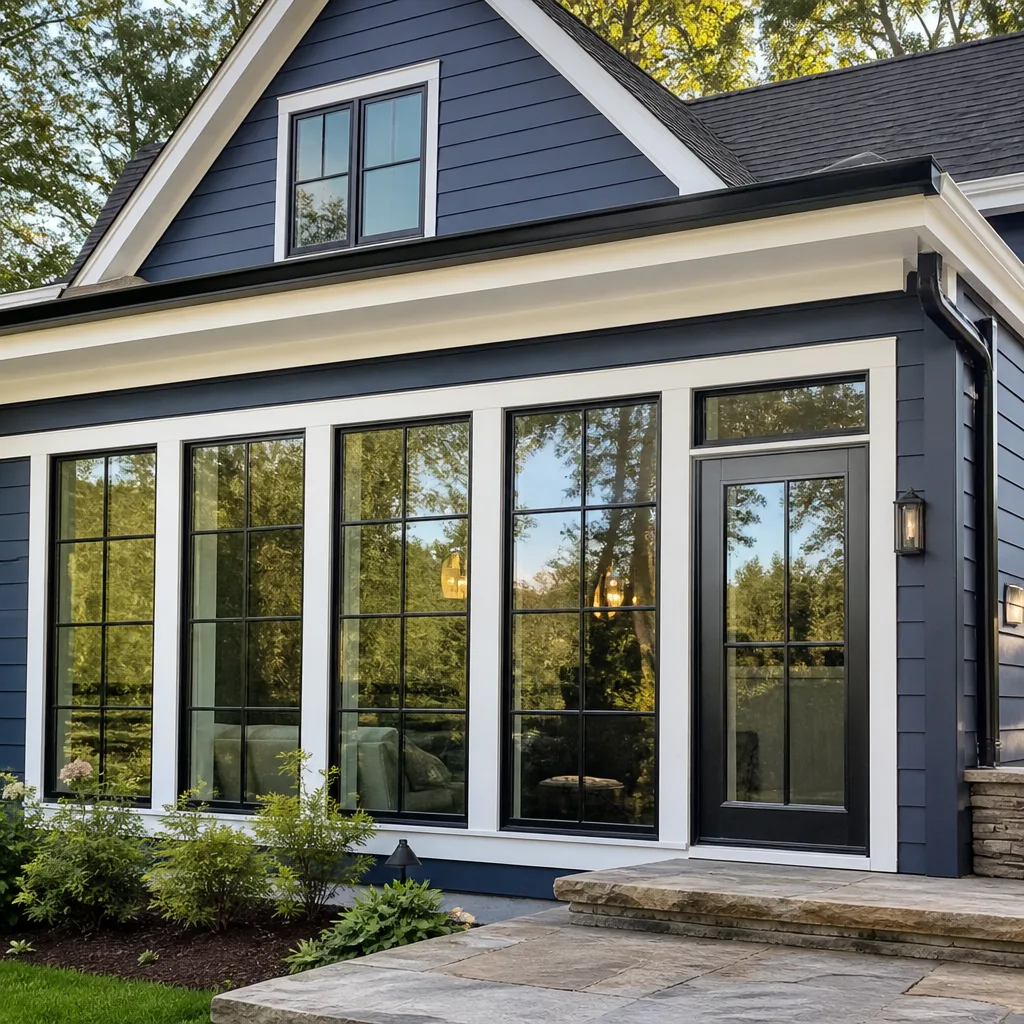
- Wood-clad: Wood on the inside for warmth and character, an aluminum or vinyl cladding outside for weather protection. Excellent for older Tacoma Craftsman homes where interior character matters. The exterior cladding needs to be done well, because a poor cladding seal invites moisture into the wood behind it.
- Aluminum: Strong and slim, but thermally conductive unless it includes a thermal break. Often seen near the water on multifamily buildings. In a single-family home in Tacoma it usually needs a thermal break to avoid condensation problems.
If your home faces the wind off the Sound, lean toward materials that tolerate constant moisture. If you’re up the hill with more sun, pay attention to UV resistance as much as water resistance. And if you’re weighing impact-rated lines for storm and wind exposure, brands like PGT and CGI offer options that hold up under more force.
Tacoma’s Older Housing Stock and Rough Openings
A lot of Tacoma’s housing is Craftsman and bungalow-era, with a good run of mid-century homes mixed in. Those homes come with charm and with constraints. The single biggest practical constraint for replacement is the rough opening – the actual framed hole in the wall where the window sits. Older houses rarely have openings in modern standard sizes. When that happens, you don’t get to order a stock unit off the shelf and slide it in.
What this means in practice:
- Measure the real opening, not the glass. Odd dimensions are common in older Tacoma homes, and they drive whether a custom or semi-custom unit is needed.
- Expect custom sizing on some units. It adds a little lead time but gives a correct fit and a cleaner seal than forcing a stock size into a space that isn’t quite right.
- Trim and sill details vary widely. Original casings, sill profiles, and the reveal around the opening all affect how a new window sits and looks. A Craftsman bungalow wants its trim respected, not covered up.
- Watch for settled or out-of-square openings. A century of Tacoma moisture and ground movement can throw an opening slightly out of square, which changes how much prep the install takes.
The upshot: a product that’s perfect for a newer tract home may not be the best choice for a 1920s bungalow in Tacoma. The opening and trim determine as much of the decision as the glass does. This is why a walk-through and real measurements matter before anyone quotes you a price.
Replacement Windows vs. New-Construction Windows
These two terms get used loosely, but they describe different jobs. Knowing which one your project needs prevents a lot of confusion and bad estimates.
- Replacement windows fit into an existing frame, typically as an insert, without tearing out the surrounding wall or trim. They’re faster, less invasive, and well suited to a Tacoma home that just wants better-performing glass and a tighter seal.
- New-construction windows come with a nailing flange and are installed during a renovation where the siding is off or the opening is being rebuilt. They offer a more complete rebuild of the water management around the opening. You’d choose them when you’re doing a larger remodel, changing window sizes, or addressing underlying rot or trim issues.
Which applies to you depends on the scope of your project, not on which is “better.” A straightforward upgrade of a few windows in a sound wall usually points to replacement. A remodel that opens walls, resizes openings, or repairs damaged framing points to new-construction. For most homeowners looking to modernize glass and frames without a bigger renovation, window replacement is the right path. When the opening itself is being rebuilt, we talk through new-construction details before anything is ordered.
Door Styles and Weatherstripping for Wind-Driven Rain
Doors take more punishment than windows in Tacoma, especially on the windward sides of a house. Wind-driven rain pushes water sideways, straight at thresholds, hinges, and weatherstripping. If that weatherstripping is a cheap grade, you’ll find damp floors or a draft on the first real fall storm. The door itself is only half the story; the sealing system around it does the heavy lifting.
What to look for in a Tacoma door:
- Weatherstripping grade: Choose compression or magnetic seals over basic foam tape. They hold their shape better through repeated wet-dry cycles and keep the rain out.
- Threshold design: An adjustable or well-sealed sill with a sill pan underneath lets water drain away instead of pooling at the base. This matters most on the low-lying and valley-side homes.
- Door material: Fiberglass and steel doors with sound cores shrug off moisture and hold their finish better than solid wood in constant damp. If you love wood, look at a door designed with a moisture-resistant construction.
- Entry style: A covered porch or recessed entry buys protection. A door set flush to the weather on the exposed side needs the sealing detail to be that much better.
- Sliding doors: Patio sliders are one of the most commonly deferred upgrades and one of the trickiest to install correctly because the track and sill have to shed water well. A well-chosen slider with a proper sill is worth the attention.
Therma-Tru is one of the recognizable names in entry doors, and we install their doors alongside window work so the whole exterior envelope can be matched. If you’re coordinating windows and doors on the same Tacoma home, it pays to plan door replacement at the same time so finishes, seals, and timelines line up.
Comparing Brands Without the Sales Pitch
Most homeowners get pushed toward whatever single brand a given contractor carries. That’s not a great way to buy a window. We carry eight brands so you can compare on the things that matter to you: frame material, glass package, warranty terms, and price tier. There’s no single best brand – there’s the right brand for a given wall, budget, and home style.
A few worth knowing as you start:
- ViewLux covers mainstream replacement needs with solid value for standard installs.
- PGT offers strong options across the board and includes impact-rated lines for high-wind and storm exposure.
- CGI also brings impact-rated product to the table, useful on exposed walls.
- CWS rounds out the lineup for typical replacement work.
We keep both impact-rated lines and everyday replacement brands in the mix because Tacoma homes don’t all face the same conditions. A house on a wind-exposed ridge may want an impact-rated window; a protected inland home can put the money into other parts of the project. The right window for your home is not just the one a contractor happens to stock. Here at Tacoma Window Replacement Pros, you can weigh brand A against brand B on glass, frame, and warranty before you commit. That’s the whole point of a multi-brand lineup.
How a Replacement Project Goes, Step by Step
Knowing the sequence takes the guesswork out of a project and helps you plan around it. Here’s how a typical window or door replacement goes for a Tacoma home, from first call to cleanup.
- Free estimate and measurements. We look at the walls, exposure, and existing openings, then measure the real dimensions. You get a line-item written quote, and the written estimate sets the final price.
- Product selection. You choose frame material and glass package matched to your home’s exposure, then compare brands side by side. This is where the climate details from earlier in the guide get applied to your specific house.
- Permits. Most cities require a permit for window and door work, so we check with Tacoma’s building department and pull what’s needed. The work is inspected and signed off, which protects you if you ever sell.
- Lead time. Stock and semi-stock units come faster. Custom-sized units for older Tacoma openings take longer. We tell you the realistic window, not an optimistic one.
- Installation day. Openings get prepped, old units come out, new ones go in with careful flashing and sealing. Interior and exterior trim is attended to, and the work area is cleaned up.
- Final walkthrough and inspection. We check operation, seals, and finish, then the permit inspection happens where required. You keep your written quote and warranty documentation.
A single opening is a small job. Most replacements we take on cover three or more openings, because that’s the scale at which a project makes sense. If you’re planning a bigger step, look at window installation options and talk through scope before anything is ordered.
Common Mistakes to Avoid
- Buying a window built for a different climate. Spec sheets optimized for desert heat or deep freezes don’t map to Tacoma’s damp, mild profile. Choose a glass package and frame for moisture, salt air exposure, and your wall direction, not a national average.
- Treating all eight brands as interchangeable. Price tiers and warranties differ, and so does performance on exposed walls. Compare brands on your actual conditions instead of picking the first quote.
- Ignoring the rough opening. Older Tacoma homes rarely have standard openings. Skipping real measurements leads to forcing a stock size into a space that doesn’t fit, which shows up later as drafts and leaks.
- Forgetting the salt and wind near the water. Homes near the Sound or exposed to wind-driven rain need a higher grade of weatherstripping and better sill sealing. Overlook it and damp floors show up after the first fall storm.
- Mixing replacement and new-construction terms. These are different jobs with different implications for trim, waterproofing, and cost. Know which your project needs before you sign anything.
- Skipping permits to save time. Most cities require a permit for window and door replacement, and a project without one can complicate a future sale. Pull the permit and pass the inspection.
- Letting a generalist do a specialist’s job. A remodeler juggling five trades may not give windows and doors the attention they need. Stay in-lane with a window and door specialist.
See the difference
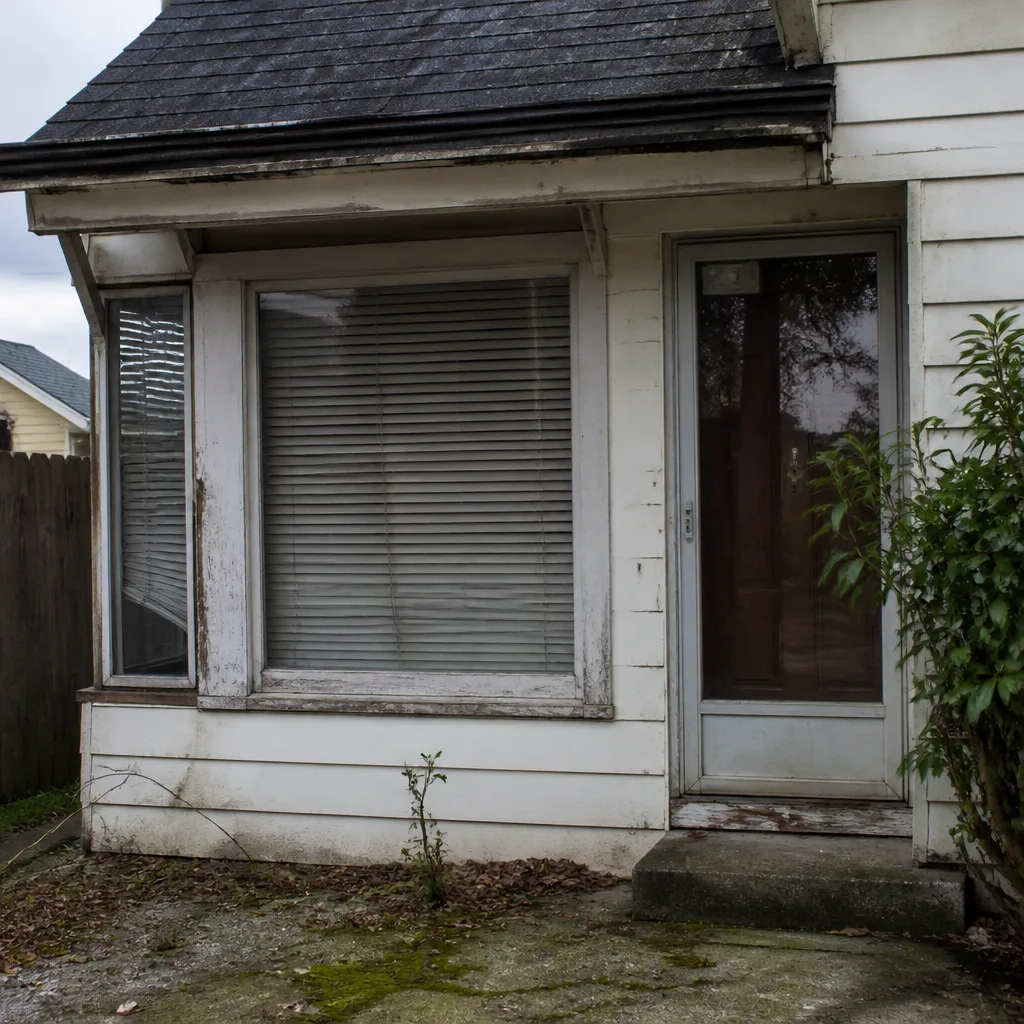 Before
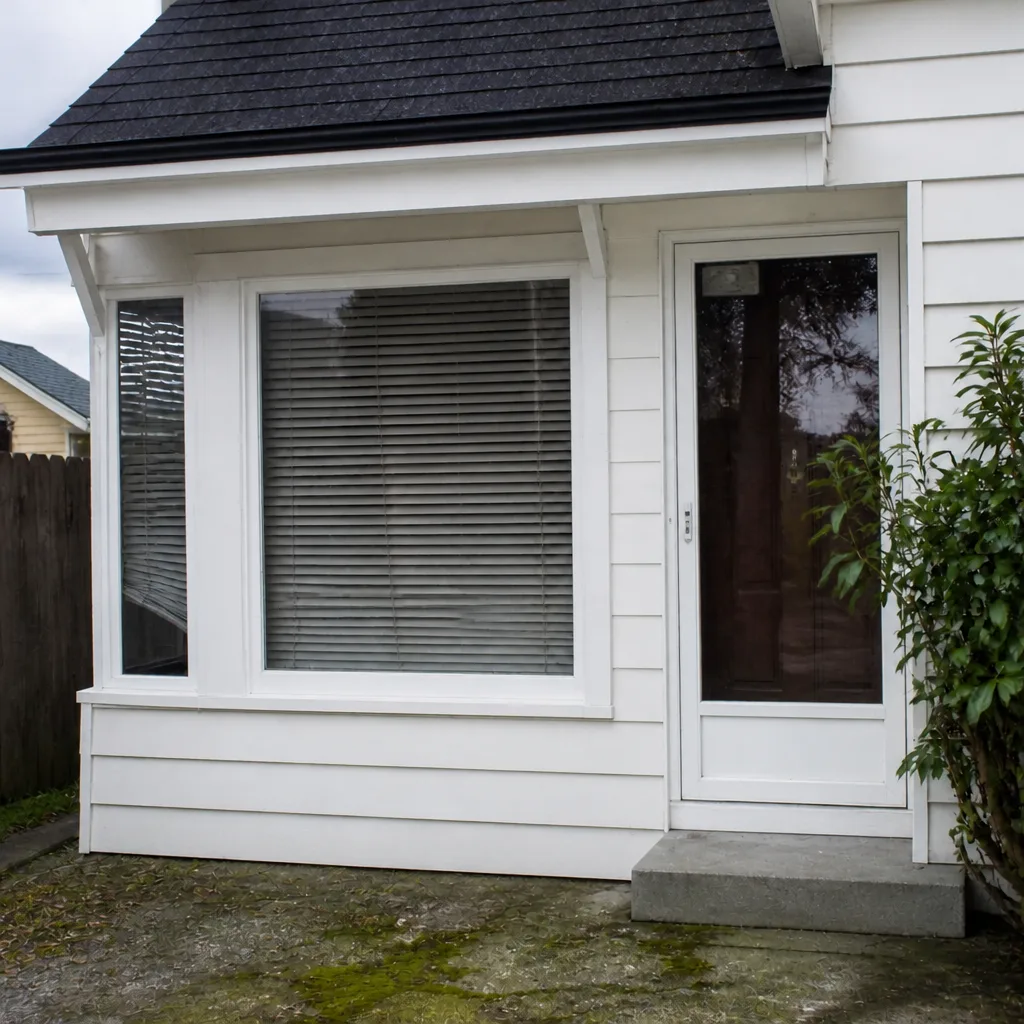 After
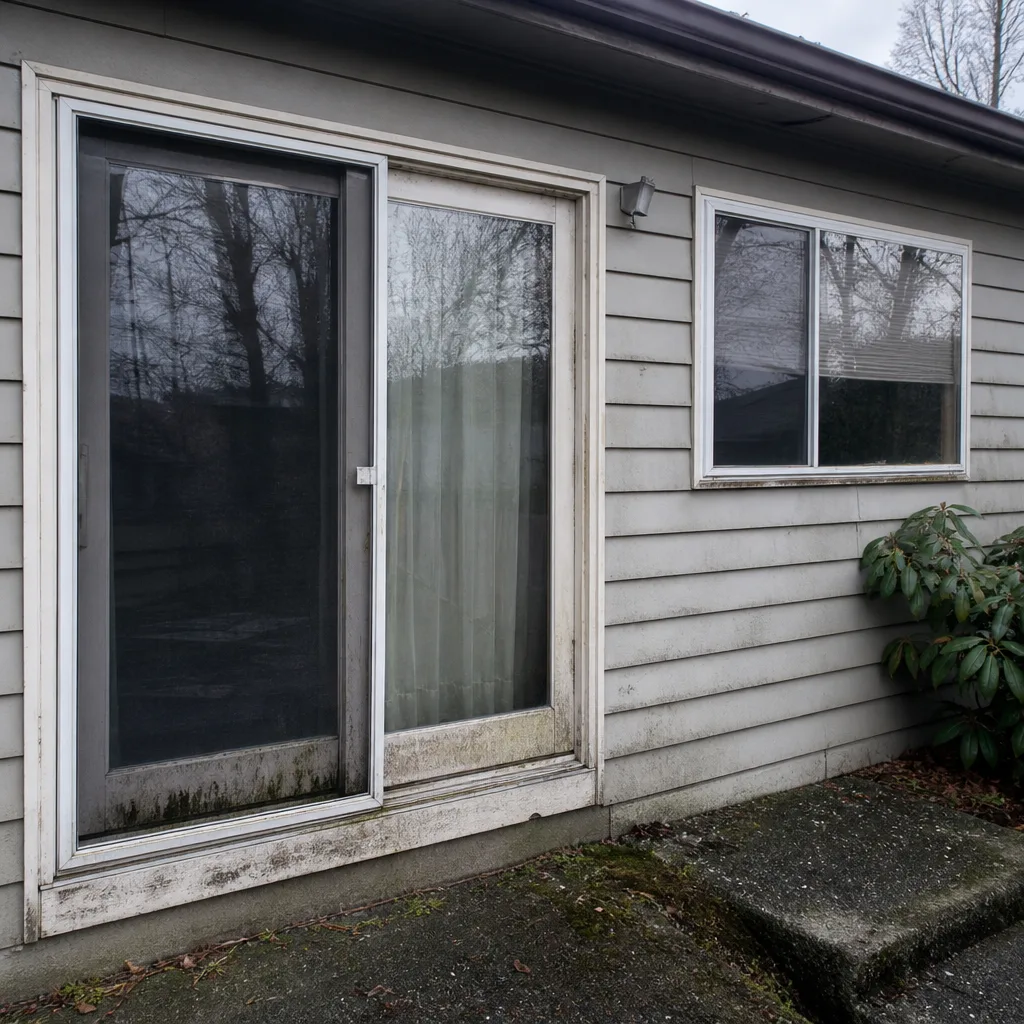 Before
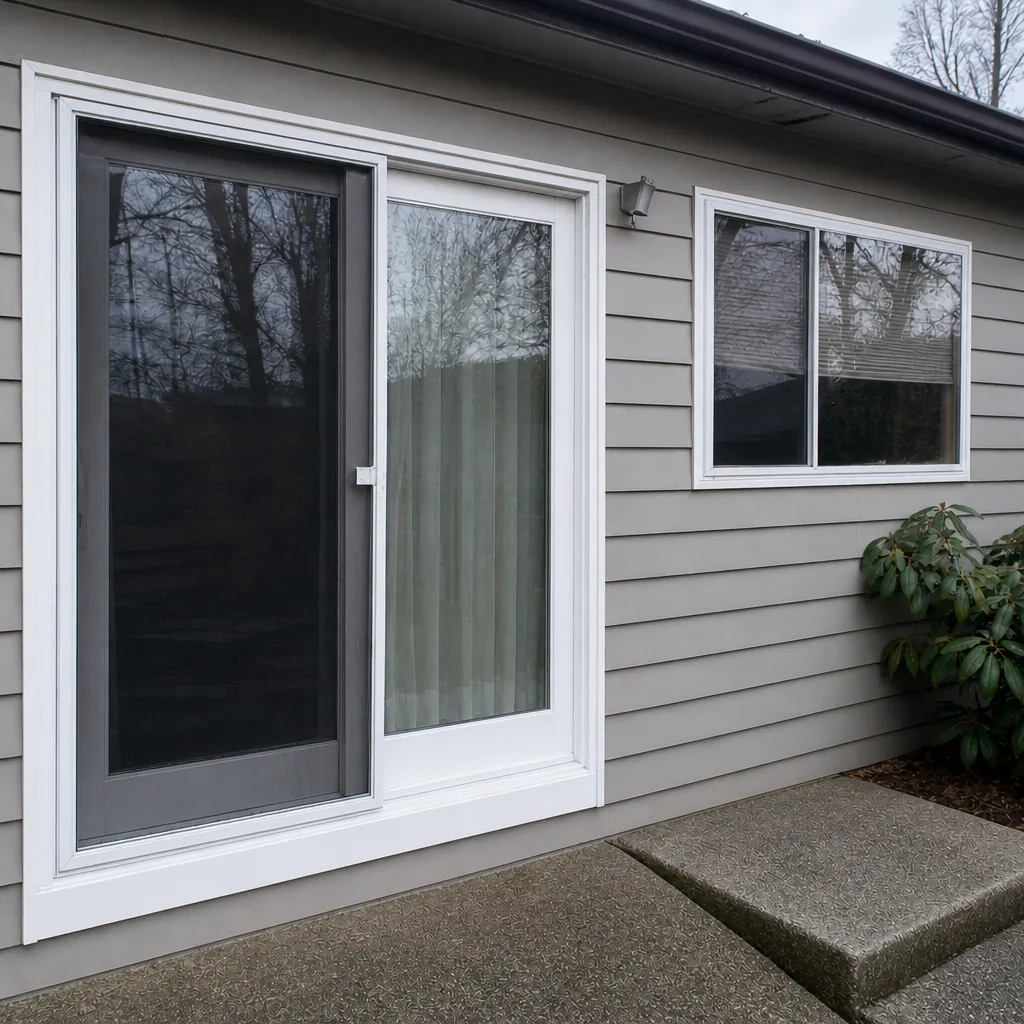 After
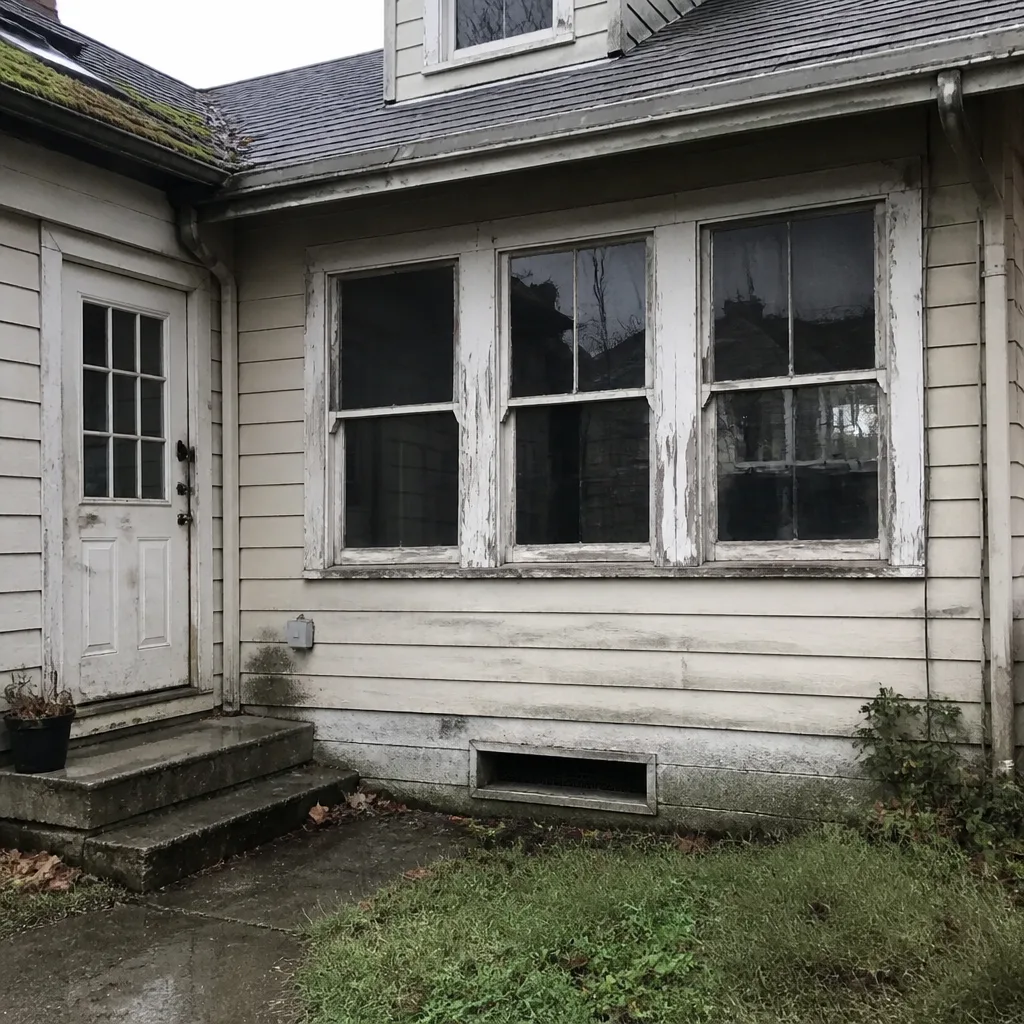 Before
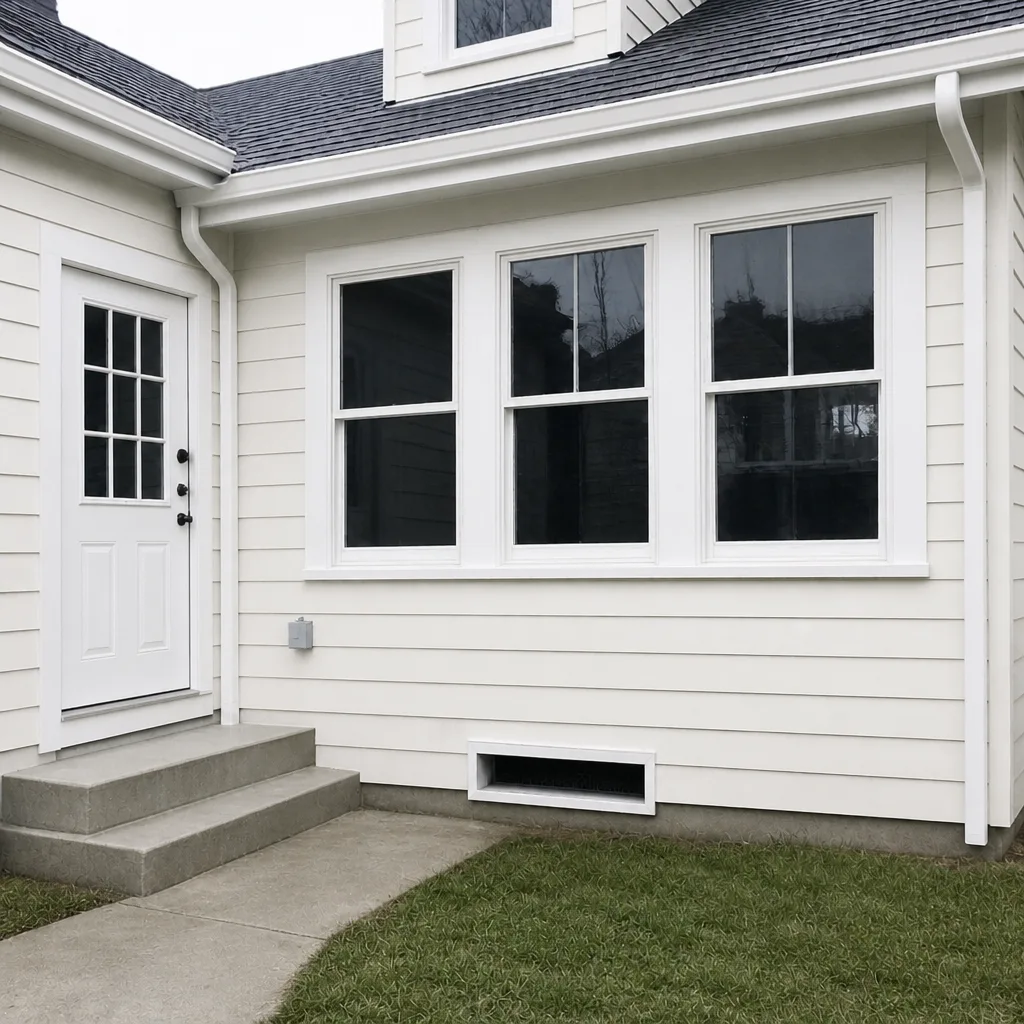 After
When to Call a Professional
Some of this you can assess yourself: a draft you can feel, condensation that won’t clear, fog between panes, a door that sticks or lets water past the threshold, or a patio slider that no longer tracks smoothly. That’s the moment to get a professional set of eyes on it, before water damage spreads behind trim or into framing. Getting formal measurements for an older Tacoma home, figuring out whether a job needs replacement or new-construction units, coordinating windows and doors at once, and handling permits and inspection are all tasks best left to a specialist. Our technicians have up to 10 years of experience, and the local pros we connect you with are licensed and insured as their state requires. Tacoma Window Replacement Pros offers free estimates in Tacoma – call (253) 295-7077 to schedule yours.
Frequently Asked Questions
Cost depends on the number of openings, frame material, glass package, and whether custom sizing is needed for an older opening, so the only reliable number is a written line-item quote after real measurements. We don’t lead with a single price because conditions vary too much from home to home. Call (253) 295-7077 for a free estimate – the written quote sets the final price.
We carry eight brands, including PGT, CGI, CWS, and ViewLux, alongside ES Windows, ECO Window Systems, Mr-Glass, and Therma-Tru for doors. The point of a multi-brand lineup is that you can weigh options rather than being steered to a single manufacturer. An estimate walks you through each brand’s fit for your home.
Most cities require a permit for window and door work, so it’s best to confirm with Tacoma’s building department and pull what’s needed. We handle that as part of the project so the work is inspected and signed off. Skipping it can complicate a future sale, which is why we don’t cut that corner.
Replacement windows fit into your existing frame without tearing out the wall, while new-construction windows are installed during a remodel where the opening is being rebuilt or the siding is off. Which one applies depends on the scope of your project, not on which is better. We look at your walls and openings and explain which path fits before anything is ordered.
Fiberglass is the most stable across Tacoma’s temperature swings and won’t absorb water, while quality vinyl handles moisture well at a lower cost. Wood-clad suits a Craftsman interior where you want wood on the inside. The right pick depends on your exposure and home style, and we’ll map that out during the estimate.
We take on window and door replacement jobs covering three openings or more. That’s the scale at which a replacement project makes sense. Call (253) 295-7077 for a free estimate on a project of your size.
The Bottom Line
Buying windows and doors in Tacoma comes down to matching product to place. Read the climate, salt air, and wind exposure before you read a spec sheet. Match frame material and low-e coating to whether your home sits near the water or inland. Size the units to your home’s real rough openings, especially in older bungalows and Craftsman homes. Use higher-grade weatherstripping and thresholds where wind-driven rain hits. And compare brands honestly instead of accepting the first quote. Windows and doors only – it’s all we do, and that focus is why we can help you weigh eight brands against the actual conditions in your part of Tacoma. The right window for your home is not just the one we have in stock.
Written by the team at Tacoma Window Replacement Pros. Call (253) 295-7077 for a free estimate.